

Achievement Gap Widens: US Students Lagging, Especially at the Bottom, New Research Reveals
A stark new report paints a concerning picture of student achievement in the United States, revealing not only a decline in overall performance but a dramatic widening of the gap between high-achieving and low-achieving students. This trend, particularly pronounced in traditional public schools, suggests a critical juncture for the nation's educational system, demanding a serious re-evaluation of current strategies.
The Alarming Descent: Declining Scores and Rising Inequality
For two decades, from 2005 to 2024, a significant shift has occurred in student performance. While students at the 75th percentile, representing the upper echelon of academic achievers, have largely maintained their standing, those at the 25th percentile have experienced a noticeable drop in their test scores. This divergence has led to an escalating achievement gap, a trend that has accelerated dramatically since the onset of the pandemic.
The data, meticulously analyzed from NAEP scores adjusted for student demographics, indicates that the decline for students at the 25th percentile in traditional public schools has been substantial. This drop, ranging from two to five scale score points over the 20-year period, translates to a loss of nearly half a year's learning for some of the most vulnerable students. Both math and reading scores at this critical benchmark have been affected across fourth and eighth grades.
The Pandemic's Deepening Scar
The impact of the COVID-19 pandemic on educational outcomes cannot be overstated. While pre-pandemic trends showed some stagnation but not outright decline for lower-performing students in traditional public schools, the period following 2020 witnessed a sharp downturn. This suggests that the disruptions caused by widespread school closures and the shift to remote learning have had a disproportionately negative effect on students already struggling to keep pace.
Charter Schools: A Tale of Two Eras
Charter schools, often lauded for their innovative approaches, present a complex narrative in this analysis. At the outset of the study period in 2005, charter schools exhibited the largest achievement gaps between their highest and lowest performing students, even exceeding those found in traditional public schools. However, over the subsequent two decades, charter schools demonstrated a remarkable ability to stabilize these gaps.
Prior to the pandemic, charter schools were showing promising signs of progress. Students at the 25th percentile in charter schools saw significant score increases, between five and eight and a half scale score points, while those at the 75th percentile also experienced modest gains. This trajectory indicated a system that was not only improving overall but was also effectively narrowing the achievement gap, a scenario that education reformers had long championed.
The Pandemic's Disruption to Momentum
The pandemic, however, proved to be a significant setback for the charter sector. The momentum built in the years leading up to 2020 was largely lost, with test scores becoming relatively flat for students at the 25th percentile and completely stagnant for those at the 75th percentile. This interruption highlights the fragility of educational progress and the vulnerability of even promising reforms to external shocks.
Catholic Schools: Eroding Equality
Catholic schools, historically recognized for their strong performance and commitment to equity, are also showing signs of strain. At the beginning of the study period, these institutions boasted the smallest achievement gaps, a testament to their long-standing reputation for supporting disadvantaged students. This reputation, supported by extensive research, suggested a unique ability to foster a collaborative learning environment where all students could thrive.
However, the data reveals a concerning trend of widening gaps, beginning around 2015 and accelerating significantly after the pandemic. In some instances, the achievement gap in Catholic schools has surged by as much as 12 scale score points since the pandemic, a dramatic increase equivalent to three grade levels. This erosion of their equality advantage signals that even institutions with a strong historical track record are facing challenges in maintaining equitable outcomes for all students.
A Fading Advantage
While Catholic schools still maintain smaller achievement gaps compared to traditional public schools, the trend is undeniably negative. The gains observed at the 75th percentile prior to the pandemic have not been sustained, and significant declines at the 25th percentile have contributed to the widening disparity. This suggests that the unique strengths of Catholic schooling may be diminishing under current educational pressures.
Unpacking the Decline: Potential Explanations
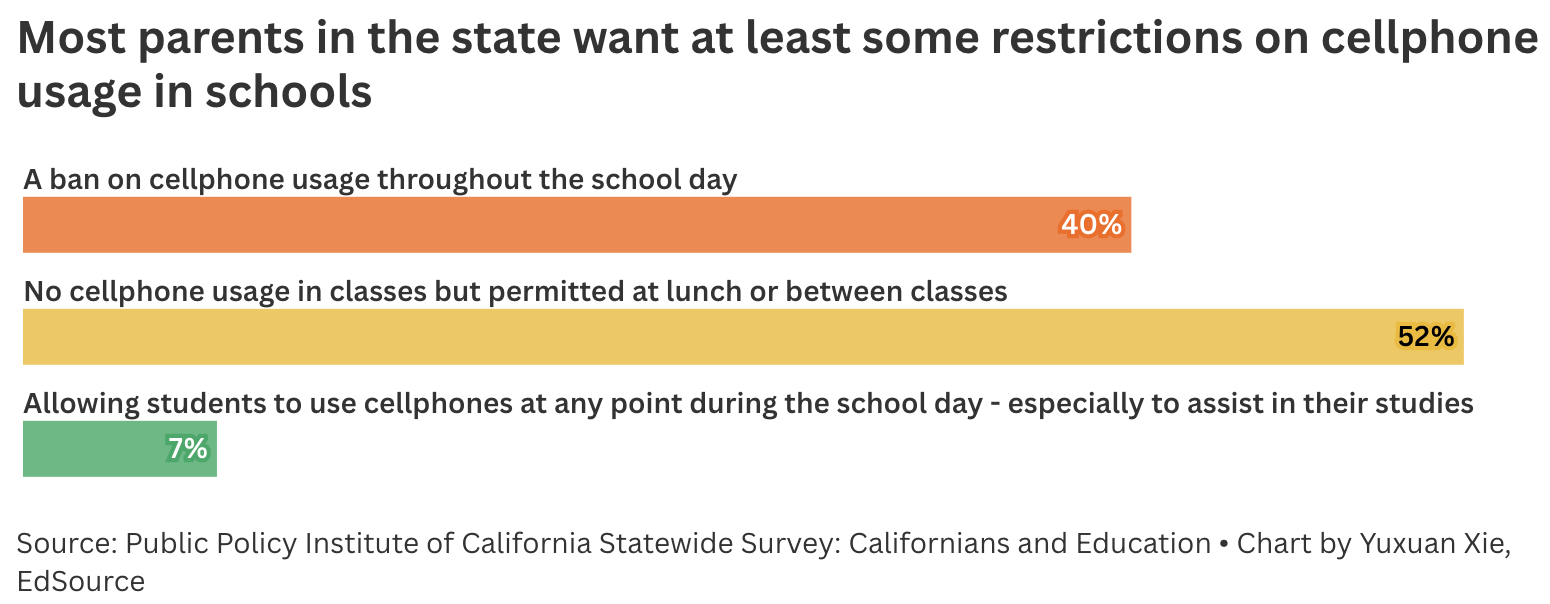
Pinpointing the exact causes of these widening achievement gaps is a complex endeavor, but several factors are emerging as potential culprits. The widespread adoption of cell phones among students and the relaxation of accountability measures following the No Child Left Behind era, which coincided with the observed decline around 2013-2015, are frequently cited.
Furthermore, shifts in literacy instruction, with a move away from the science of reading towards alternative approaches like three-cueing and balanced literacy, may have contributed to declines in reading achievement, particularly for students at the lower end of the performance spectrum. However, the presence of similar declines in math suggests these literacy-specific factors are not the sole drivers of the problem.
Resource Allocation and Teacher Compensation
Despite record levels of funding for public education, with per-pupil spending exceeding $20,000, concerns remain about how these resources are being utilized. While overall school funding has increased, the data suggests that a significant portion of these funds may not be reaching the classroom in the form of teacher salaries. The growth in non-teaching staff positions within schools may be diverting resources that could otherwise be used to attract and retain high-quality educators.
This raises questions about whether current compensation structures are adequately incentivizing teachers, especially in public schools. The potential for teacher salaries to have stagnated or declined in real terms, while overall school budgets have grown, could be a contributing factor to the challenges in maintaining consistent, high-quality instruction for all students.
The Rise of Chronic Absenteeism
Beyond test scores, a critical indicator of student disengagement is the alarming rise in chronic absenteeism, particularly in the post-pandemic era. When students are not consistently present in school, their opportunities for learning, social-emotional development, and the inculcation of values are severely curtailed. This dual crisis of learning loss and chronic absenteeism poses a significant threat to the long-term well-being and future prospects of countless students.
The disconnect between rising graduation rates and declining achievement levels is also a cause for concern. This suggests a potential relaxation of academic standards, where students may be graduating without possessing the foundational skills necessary for college or career readiness. The long-term implications for the labor force and societal progress are yet to be fully understood.
A Beacon of Hope: Department of Defense Schools
Amidst the concerning trends, the Department of Defense schools offer a striking counter-narrative. These schools, serving the children of active-duty military personnel both domestically and abroad, have demonstrated exceptional and consistent academic growth over the past two decades, even through the pandemic. Students at the 25th percentile in these schools have seen substantial increases in their performance, with gains equivalent to three-quarters of a year's learning.
Remarkably, the 75th percentile students in these schools have also improved, with both groups progressing together. This means that while achievement levels are rising for all students, the achievement gap is not widening. This pattern of universal improvement and stable equity is a stark contrast to the broader educational landscape.
The Secrets of Success: Order, Discipline, and Uniformity
The success of Department of Defense schools is attributed to several key factors, with order and discipline being paramount. The hypothesis is that students from military families often come from environments where personal responsibility and adherence to rules are deeply ingrained, preparing them for a structured learning environment. A unique policy that involves notifying a parent's commanding officer in cases of student misbehavior creates a powerful system of accountability.
Furthermore, a deliberate emphasis on curriculum uniformity across all Department of Defense schools ensures that students receive consistent instruction, regardless of their geographic location or the frequency of family relocations. This standardization, while contrasting with the emphasis on differentiation in many public charter schools, appears to be a critical driver of achievement and equity in this unique educational setting.
The potential for this model of uniformity and accountability to offer insights for other educational sectors is significant. While wholesale adoption may not be feasible, the underlying principles of clear expectations, consistent instruction, and robust accountability could hold valuable lessons for addressing the persistent challenges of the achievement gap and fostering a more equitable educational future for all students.





 Explore AI Teaching Tools
Comments (0)
Please login to comment
No comments yet
Be the first to comment on this article