

Teachers Flee Traditional Schools for Classical Classrooms: A Quiet Exodus Reshaping Education
A surprising wave of experienced educators is leaving the familiar landscape of public school districts, seeking refuge and renewed purpose in the burgeoning world of classical private and charter schools. This migration isn't about abandoning the art of teaching, but rather a determined search for environments where intellectual rigor and pedagogical integrity are paramount.
The Unraveling of a Teaching Dream
Chris Reynolds envisioned a career steeped in the rich tapestry of history and philosophy, igniting a passion for civilization's events, institutions, and enduring texts in high school students. Armed with advanced degrees, his early years in a Colorado public school district were everything he'd hoped for, marked by engaged students capable of grappling with complex ideas and articulating them through well-structured essays.
However, the educational terrain began to shift. Reynolds observed a concerning decline in foundational knowledge among his students, forcing him to backtrack and cover material that should have been mastered in earlier grades. The very expectations that once fueled intellectual growth seemed to be subtly discouraged by school leadership.
He grappled with a profound question: had student capabilities fundamentally changed, or were the schools themselves failing to meet them? The daily reality of teaching also began to feel distant from his core mission. "We basically took on every single role as teachers," Reynolds recalled. "We were counselors. We were doing everything other than teaching content."
A pivotal moment arrived during a colleague's classroom activity. A photograph of Michelangelo's Sistine Chapel ceiling was presented with a prompt that focused solely on personal feelings about hard work, completely bypassing any discussion of the artwork's historical significance or artistic merit. This, for Reynolds, was a stark illustration of a generation being taught to view all of history through a self-centered lens.
He didn't fault his colleague but pointed to an administrative culture that prioritized making assignments "relevant" and "student-centered" above all else. Soon after, the opportunity to teach at Liberty Common School, a classical charter school, presented itself. A friend, hearing his frustrations, had aptly described his predicament as a reflection of classical education's core tenets.
When his own son was accepted into Liberty Common through the school's lottery, the decision felt serendipitous. Reynolds was hired, humorously noting it was "the only place that would hire an athletic director because he had a philosophy degree." He quickly ascended to assistant principal and began teaching AP Microeconomics, feeling as though he had finally reclaimed the teaching role he had originally sought.
The "Refugee Teacher" Phenomenon
Reynolds is not an isolated case. Interviews with over a dozen teachers who transitioned from district schools to classical academies reveal a shared narrative of disillusionment with traditional educational environments. These educators are not fleeing the act of teaching itself, but rather seeking settings that align with their deep-seated beliefs about effective pedagogy and intellectual development.
This phenomenon, dubbed "refugee teachers" by some in the classical education sector, is occurring at a time of significant growth for alternative school models. Fueled by expanding school choice and a demand for innovative educational approaches, classical schools, microschools, and other independent institutions are creating new professional avenues.
Amidst widespread concerns about learning loss and teacher attrition in traditional district schools, a parallel story is unfolding: educators who are leaving not out of burnout, but because they are unwilling to compromise the intellectual and moral commitments that first drew them to the profession. This influx of experienced teachers into classical education is fostering a renewal within these schools, enabling them to scale and deepen their academic missions.
The Cracks in the Traditional System
The reasons cited by these departing teachers echo a broader decline in professional satisfaction within the education sector. National surveys indicate a significant drop in teachers' overall job satisfaction and a concerning reluctance to recommend the profession to others. Decades of research highlight a steep decline in interest in teaching and a significant decrease in teacher morale.
While issues like compensation and workload are often discussed, the teachers interviewed emphasized a more insidious erosion of purpose. They described a sense of their craft being hollowed out by:
- Incoherent curricula that lacked depth and sequence.
- Ineffective instructional orthodoxies that prioritized process over content.
- The politicization of the classroom, shifting focus away from core academics.
- Constantly shifting priorities and pedagogical fads that undermined stability.
Many educators who once saw themselves as stewards of knowledge felt relegated to roles as troubleshooters, counselors, or test-prep technicians. While their affection for students remained strong, they increasingly questioned whether their schools still valued learning itself.
A recurring theme was a fundamental misalignment between their belief in knowledge as the bedrock of learning and the realities of their district school environments. Sammi Knigge, a kindergarten teacher now at Liberty Common, described a constant cycle of curriculum changes, making it nearly impossible to build deep understanding or ensure a coherent educational progression across grade levels.
Jen Brown, a first-grade teacher at the same school, recounted receiving "big plastic bins with science materials" at her former district school with no guidance on how to use them. The absence of a structured curriculum meant teachers were often tasked with assembling content rather than delivering a defined body of knowledge.
Pedagogical approaches also proved to be a point of contention. Methods like discovery learning, excessive group-based tasks, and "equity grading" ran counter to what many teachers believed fostered genuine learning. Deanna Randle, who now teaches at Thales Academy, observed a lack of direct instruction and foundational skill-building in her previous district school, noting the detrimental impact of approaches like Fountas & Pinnell leveled reading.
For math teachers like Craig Kompelien, "equity grading" policies undermined accountability. He described being forced to implement practices he disagreed with, such as allowing endless retakes, which he felt diminished the importance of genuine study and mastery.
Torgun Lovely, a math teacher and department chair at Liberty Common, expressed frustration with policies based on idealized student behavior rather than actual observed conduct. The core of their argument was simple: when schools lower expectations, students tend to meet them, resulting in diminished performance.
Culture Clash and a Shift in Mission
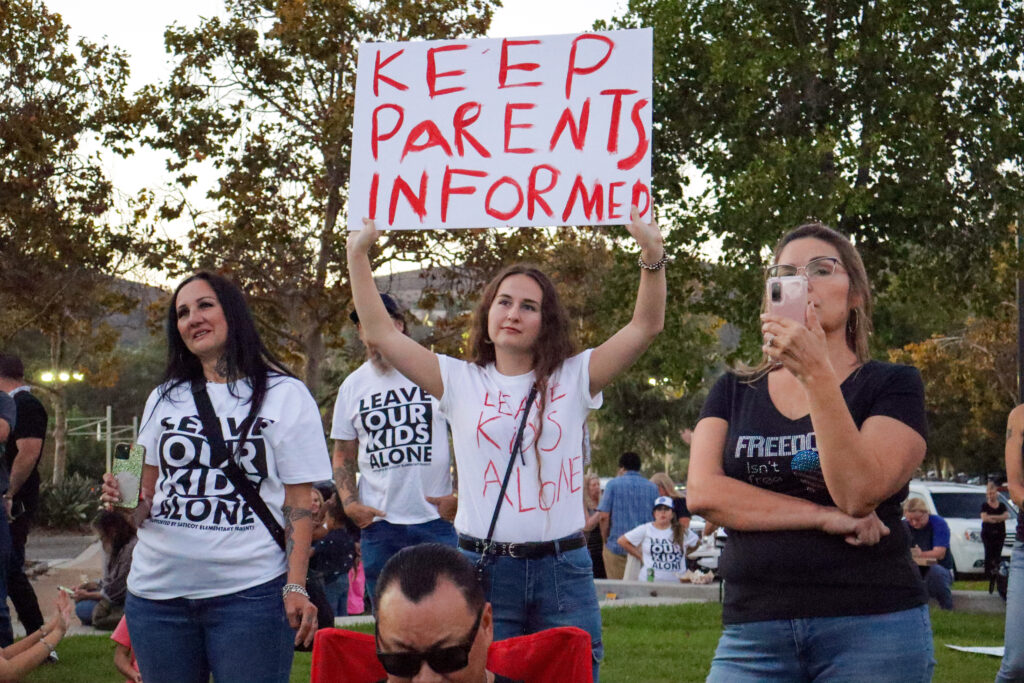
Beyond curriculum and pedagogy, many teachers cited cultural shifts and a perceived "mission creep" as significant drivers for their departure. Pressure to engage in political discourse or activism that conflicted with their personal values and their understanding of the teacher's role became a source of tension.
One early childhood teacher shared discomfort with being expected to lead conversations about gender identity with students, believing such discussions were the purview of parents. Similarly, Craig Kompelien expressed concern about his third-grade son returning home with "super politically charged" questions, diverting focus from fundamental academic skills.
While these teachers did not advocate for avoiding civic education or social awareness, their concern lay in the increasing politicization of instruction at the expense of academic substance. Furthermore, many teachers, while not necessarily politically conservative, held traditional values that sometimes clashed with the progressive agendas of their districts.
Perhaps the most profound theme was a sense of professional diminishment. Teaching, which they envisioned as intellectual stewardship, had increasingly become redefined as therapeutic caretaking. Lori Brown, a Latin teacher now at Veritas School, described her duties expanding to include mediating social conflicts and managing students' emotional needs, often at the expense of academic instruction.
She also noted a lack of intellectual rigor within the school culture itself, where teachers sometimes seemed "anti-intellectual." This environment, coupled with the removal of books from the curriculum, left her feeling like an outsider.
These departing educators are not abandoning teaching, nor are they shying away from challenges. They are leaving because they believe the core work of instruction—imparting rich content, upholding high academic standards, and cultivating intellectual virtues—has become increasingly incompatible with the prevailing systems in their district schools. Their experiences, while not universal, align with research indicating deteriorating workplace conditions for many teachers.
The Allure of the Classical Model
The term "classical education" encompasses a distinct set of characteristics that have proven highly attractive to these disillusioned educators. These schools typically feature:
- A liberal arts curriculum rooted in the enduring classics of Western civilization.
- Instruction in classical languages, primarily Latin and Greek.
- A strong emphasis on history and the fine arts.
- Pedagogical techniques such as Socratic questioning and seminars.
- A dedicated focus on moral and character development.
The growth of classical education is remarkable, with over 1,500 schools operating nationwide and projections indicating significant expansion in the coming decade. This growth necessitates a substantial increase in qualified teachers, making the "refugee teachers" a vital talent pool.
A Return to Professional Autonomy and Purpose
Teachers who have made the transition to classical schools cite several key reasons for their satisfaction and commitment. Improved student behavior is frequently mentioned, with educators feeling empowered to focus on teaching rather than constant discipline. Laura Priede, a math teacher at Cincinnati Classical Academy, noted, "They want me to be free to do my job and be a professional, not the disciplinarian."
This doesn't imply perfect student conduct, but rather that the overall school culture and curriculum foster greater engagement and respect for learning. Jen Brown, despite her strong classroom management skills, found that her new students, while still children, were more receptive to instruction due to the consistent curriculum and dedicated faculty, freeing up her energy to focus on teaching.
The emphasis on moral formation also plays a significant role. Deanna Randle observed how a student's reaction to a reprimand indicated a deeper internalization of character values within the classical school environment, a response she felt would have been unlikely in a traditional district setting.
The rich intellectual culture of classical schools is another powerful draw. Craig Kompelien described the profound impact of being asked to read and discuss Jane Eyre, highlighting a genuine intellectual community that contrasted sharply with the often superficial "lifelong learner" rhetoric of his previous school.
Faculty seminars on literature, philosophy, and educational theory are common, serving as effective professional development and fostering a vibrant collegial atmosphere. Sheldon Dance, academic dean at John Adams Academy, remarked that he learned more in his first semester at the school than in two years of graduate study, attributing this to the intellectual curiosity and knowledge of his colleagues.
This focus on intellectual community contributes to a more positive school climate. Lori Brown contrasted the "mean and gossipy" discourse she experienced in public schools with the more substantive discussions of philosophy and literature among her colleagues at Veritas School, leading to a less emotionally draining work environment.
For many, the appeal is also pragmatic. Deanna Randle described classical education as "traditional," mirroring the schools she attended as a child. Torgun Lovely found the educational philosophy espoused in books like E.D. Hirsch Jr.'s "The Schools We Need" and William Kilpatrick's "Why Johnny Can't Tell Right from Wrong" to be a clear articulation of his own beliefs, making the direct instruction and firm grading policies of Liberty Common feel pragmatic and effective.
The curriculum itself is a significant draw. Candidates from district schools are often impressed by the inclusion of classic literature at every grade level, a stark contrast to the contemporary young adult novels often found in their previous assignments. For these "refugee teachers," the transition to classical education often feels like an intellectual and professional homecoming, a realization that schools like these do exist.
Navigating the Transition: Challenges and Realities
While the appeal of classical schools is undeniable, administrators caution that these institutions are not simply an escape from the challenges of traditional district schools. Jeffrey Brown, head of Hunter Classical Christian School, prefers to view these educators not as "refugees" but as individuals actively seeking a specific educational philosophy. This requires a genuine understanding of and willingness to engage with classical education.
Brown expresses skepticism about recruiting from traditional education schools or public systems, noting that graduates from these programs can be "almost untrainable" at his school due to ingrained habits and philosophies that may conflict with the classical approach. The intellectual demands are significant, particularly for high school teachers who must possess a deep knowledge of texts like Shakespeare and Aristotle.
Other classical school leaders are more open to hiring district teachers but emphasize the need for translation and, at times, unlearning. Chris Reynolds often helps candidates articulate their beliefs without resorting to the "educational buzzwords" internalized from their district school experiences. The transition can be jarring, requiring teachers to adapt to higher expectations for content knowledge, preparation, and intellectual stamina.
Michael Rose recounted the experience of a retired district geometry teacher who resigned after only four weeks, overwhelmed by the challenge of teaching Euclid's Elements. The teacher's resignation letter highlighted the immense stress and weight of the academic rigor, illustrating that classical schools are "proving grounds" rather than easy havens.
Those drawn to classical education seek not lighter expectations, but higher ones: deeper subject matter expertise, clearer classroom norms, moral seriousness, and an unapologetic commitment to an intellectual tradition. For teachers who thrive in these environments, the experience often brings a sense of renewal rather than mere relief.
The Financial Equation
The question of compensation is also a significant consideration. Moving from a public school district to a charter or private school often entails a salary reduction, particularly for teachers nearing the top of the pay scale, and may involve forfeiting accrued pension benefits. This financial reality can make such moves more feasible for newer teachers or those nearing retirement age.
Many of the interviewed teachers fit these profiles. However, some are willing to make financial sacrifices for the opportunity to teach in an environment that aligns with their professional values. One teacher described "flushing a lot of state pension retirement money down the toilet" and leaving behind family support systems, deeming the move worthwhile for the chance to teach at a school he loved.
A Profession on the Brink of Transformation
The exodus of these "refugee teachers" is more than just a critique of district schools or a boon for classical education. It may signal a broader evolution of the teaching profession towards greater pluralism and entrepreneurship. The rise of education savings accounts and the proliferation of alternative educational models are empowering teachers to reinvent themselves through microschools, online teaching, and direct service provision, often utilizing public funds outside traditional district structures.
This shift mirrors transformations seen in other professions, where the digital age has fostered innovation and new pathways. The frustration and fragmentation that may accompany such change can also lead to renewal. Teaching may be entering a comparable phase of evolution.
The irony is that a reform movement often framed around student and family choice may ultimately lead to increased teacher choice. As Chris Reynolds observes, the sentiment among many former colleagues is that "It's getting worse" in traditional district schools. Whether these teachers find new purpose in classical schools, microschools, or yet-to-be-developed models, their decisions suggest a profession that, while beleaguered, still possesses vitality.
If the broader educational infrastructure can adapt to this evolving landscape, the quiet migration of these teachers may come to be recognized not as a symptom of decline, but as the harbinger of a long-overdue renewal for a profession in need of reinvention.





 Explore AI Teaching Tools
Comments (0)
Please login to comment
No comments yet
Be the first to comment on this article