
Unlocking Literacy: Why teachers Need More Than Just a Classroom to Combat the Learning Gap
The pursuit of strong literacy skills is a cornerstone of educational success, yet a persistent crisis looms in classrooms worldwide.
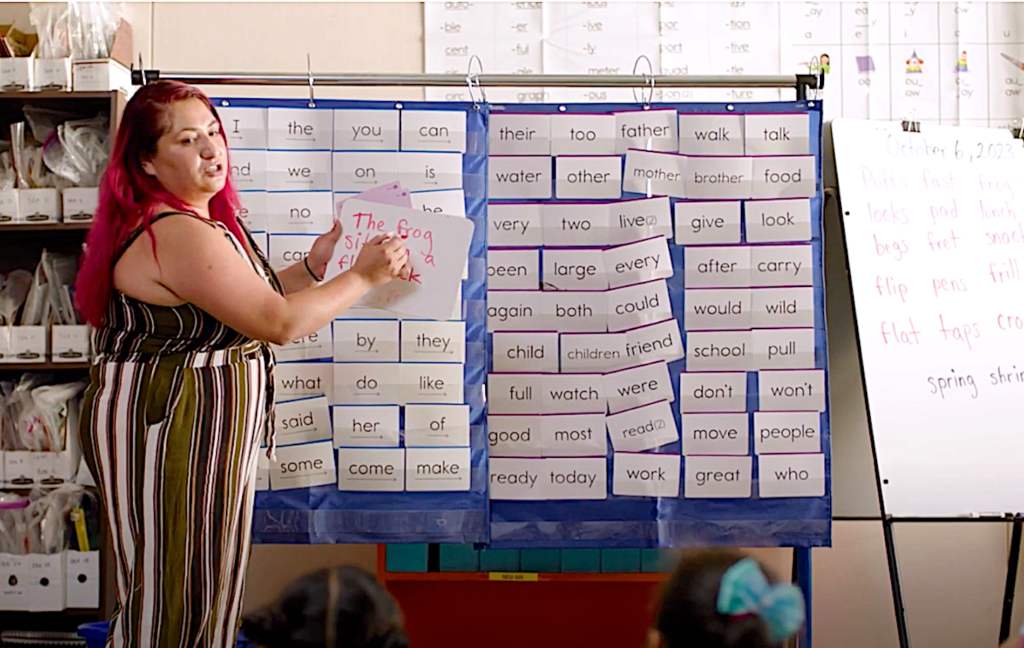
While policy makers and educators diligently seek solutions, a critical truth emerges: the immense responsibility of fostering reading proficiency often falls disproportionately on the shoulders of individual teachers.
This article delves into the evolving landscape of literacy instruction, exploring why a more comprehensive, collaborative approach is essential to truly support every learner and overcome the challenges that leave students behind.
The Evolving Landscape of Literacy Instruction
In recent years, a significant wave of reform has swept through educational systems, with a renewed focus on improving how reading is taught.
This has manifested in legislative action and a growing emphasis on evidence-based methodologies, often referred to as the "science of reading." The intention is clear: to equip schools with the tools and knowledge necessary to effectively teach foundational literacy skills.
However, the practical implementation of these initiatives often reveals a deeper, systemic issue.
Research and on-the-ground observations suggest that while new curricula and professional development are valuable, they are insufficient on their own to address the multifaceted nature of the literacy crisis.
The traditional model of education, where a single teacher is tasked with guiding a large group of students, many of whom arrive with vastly different levels of prior knowledge and varying degrees of home-based literacy support, presents a significant hurdle.
This model, long a staple of public education, often leaves teachers struggling to provide the individualized attention that struggling readers desperately need.
The Power of Collaborative Support: Lessons from Oakland
Examining real-world efforts to transform literacy instruction offers invaluable insights.
In districts like Oakland, a quiet but significant overhaul of literacy approaches has been underway.
While investments in new teaching materials and educator training have been part of the strategy, the true game-changers have been the integration of dedicated literacy support personnel.
These individuals, often referred to as early literacy tutors, are community members—including parents, grandparents, and other engaged citizens—who receive specialized training.
Their role is to work with small groups of students, providing targeted interventions and reinforcing foundational literacy skills.
This approach allows for a level of differentiated instruction that is incredibly challenging for a single classroom teacher to achieve alone.
The Impact of Dedicated Tutors
The introduction of these tutors has enabled schools to offer a significantly more personalized learning experience.
In some instances, an "all hands on deck" philosophy has been adopted, where a team of teachers, tutors, and other educational professionals collaborate to ensure that every student receives the precise literacy support they require.
This collective effort is particularly crucial in mixed-grade classrooms or those with a wide range of student abilities, where the gap in instructional needs can span multiple grade levels.
Teachers and school leaders alike have consistently highlighted the profound difference an additional adult makes in the classroom.
One educator shared how the presence of a trained tutor allowed her to manage five distinct literacy groups instead of just two.
This freed up valuable time to provide extra assistance to students who were furthest behind, preventing them from being lost in whole-group instruction that might not cater to their specific learning pace.
Without this support, the teacher noted, students struggling with basic phonics would be forced to learn alongside peers who were already proficient readers, a scenario that can be deeply discouraging and ineffective.
A Parent's Perspective on Targeted Instruction
The impact of this enhanced support is also felt keenly by parents.
One parent drew a stark contrast between her own educational experience and that of her child in a school benefiting from tutor support.
She recalled feeling left behind if she struggled or bored if she was ahead of the class.
In contrast, she observed that with the early literacy tutors, her child receives dedicated, one-on-one attention from an adult focused on their specific needs, a truly impactful difference.
Addressing Teacher Burnout and the Literacy Challenge
The demands placed on teachers have intensified dramatically, especially in the post-pandemic era.
Beyond the core academic responsibilities, educators are navigating increased behavioral challenges, student absenteeism, and a widening spectrum of learning needs.
These pressures, coupled with evolving societal attitudes towards work and the declining prestige of the teaching profession, contribute to significant educator burnout and a potential erosion of commitment.
Early literacy tutors can play a vital role in alleviating this burden.
By shouldering some of the intensive work of literacy instruction, they provide a critical source of support for overwhelmed teachers.
This is particularly effective when tutors are fully integrated into the school's broader literacy strategy, rather than operating as an isolated program.
When tutors work in close collaboration with school staff responsible for literacy instruction, their impact is amplified, creating a cohesive and supportive learning environment.
Measuring the Gains: Evidence of Success
While it takes time to fully transform literacy outcomes, the initial results from initiatives like those in Oakland offer glimmers of hope.
Studies indicate that students who received evidence-based, differentiated literacy instruction—whether delivered by teachers or tutors—demonstrated statistically significant gains in reading proficiency.
These improvements were especially pronounced in kindergarten, a critical period for establishing foundational reading skills.
It is important to note that even in these successful cases, schools often reported a need for additional tutors to fully optimize small-group reading instruction.
This highlights a crucial point: the more comprehensive the support, the greater the potential for student success.
Imagine the transformative possibilities if every child had consistent access to differentiated instruction tailored to their unique learning journey.
Rethinking the Traditional Classroom Model
Expecting a single teacher to simultaneously manage a classroom of diverse learners and provide all the individualized support necessary for literacy development was likely an ambitious undertaking from the outset.
As students continue to grapple with learning gaps and the lifelong consequences of illiteracy, clinging to this model without adequate supplementary support becomes not just unrealistic, but irresponsible.
For schools and districts striving to recover lost ground and build stronger literacy foundations, it is imperative to recognize the inherent limitations of under-resourced approaches.
Investing strategically in collaborative support systems, such as trained literacy tutors, is not merely an enhancement; it is a fundamental necessity for achieving equitable and effective literacy instruction for all.
The Role of Mentofy in Empowering Literacy Instruction
Global learning platforms like Mentofy are at the forefront of providing educators with the resources and training needed to navigate these complex challenges.
By offering access to cutting-edge pedagogical strategies, professional development opportunities focused on evidence-based literacy instruction, and tools that facilitate personalized learning, Mentofy empowers teachers to not only deliver effective instruction but also to collaborate with support staff and leverage the strengths of their entire educational community.
Mentofy understands that true literacy transformation requires a holistic approach.
It champions the idea that while teachers are indispensable, they thrive and achieve greater success when they are part of a robust support network.
The platform provides a space for educators to learn about innovative tutoring models, explore differentiated instruction techniques, and connect with a global community of peers facing similar challenges.
This collaborative spirit, fostered by platforms like Mentofy, is key to building a future where every child has the opportunity to become a confident and capable reader.
Conclusion: A Collective Commitment to Literacy
The journey to address the literacy crisis is ongoing, and it demands more than just policy pronouncements or curriculum updates.
It requires a fundamental shift in how we view and deliver literacy instruction.
The evidence strongly suggests that while dedicated teachers are the heart of education, they cannot bear the full weight of this challenge alone.
By embracing collaborative models that integrate trained support personnel, like early literacy tutors, and by leveraging the power of comprehensive learning platforms, we can create environments where every student receives the targeted, differentiated instruction they need to thrive.
The future of literacy depends on our collective commitment to providing educators with the support and resources necessary to unlock the full potential of every learner.






 Explore AI Teaching Tools
Comments (0)
Please login to comment
No comments yet
Be the first to comment on this article