
Securing Student Success: Navigating Food Insecurity in educational institutions
The journey of education is profoundly impacted by basic needs, and for many students, access to consistent, nutritious food is a critical, yet often overlooked, component of academic achievement.
When vital support systems for food are disrupted, the ripple effect can create significant anxiety and hinder learning.
This article explores the challenges faced by students and educational institutions when food assistance programs encounter unexpected delays, offering insights into how schools and colleges are stepping up to support their learners.
The Growing Challenge of Food Insecurity for Students
Access to adequate nutrition is fundamental for cognitive function, energy levels, and overall well-being, all of which are essential for students to thrive academically.
Unfortunately, a significant number of students, from K-12 to higher education, rely on external programs to supplement their food needs.
When these programs face disruptions, such as funding delays or administrative hurdles, the immediate impact on students can be severe, leading to what many describe as a state of panic.
For students juggling coursework, part-time jobs, and family responsibilities, the absence of reliable food assistance can force difficult choices.
The worry about affording groceries can overshadow academic pursuits, leading to increased stress and decreased focus.
This situation is particularly concerning because it directly affects a student's ability to engage with learning materials, attend classes consistently, and perform well on assessments.
The very foundation of their educational journey is threatened when their basic nutritional needs are not met.
Institutional Responses to Food Benefit Delays
Educational institutions are increasingly recognizing their role in supporting the holistic well-being of their students.
In response to potential or actual disruptions in federal food assistance programs, many schools and colleges are proactively implementing emergency measures.
These efforts aim to bridge the gap and ensure that students have access to food, allowing them to concentrate on their studies.
Colleges are often at the forefront of these initiatives.
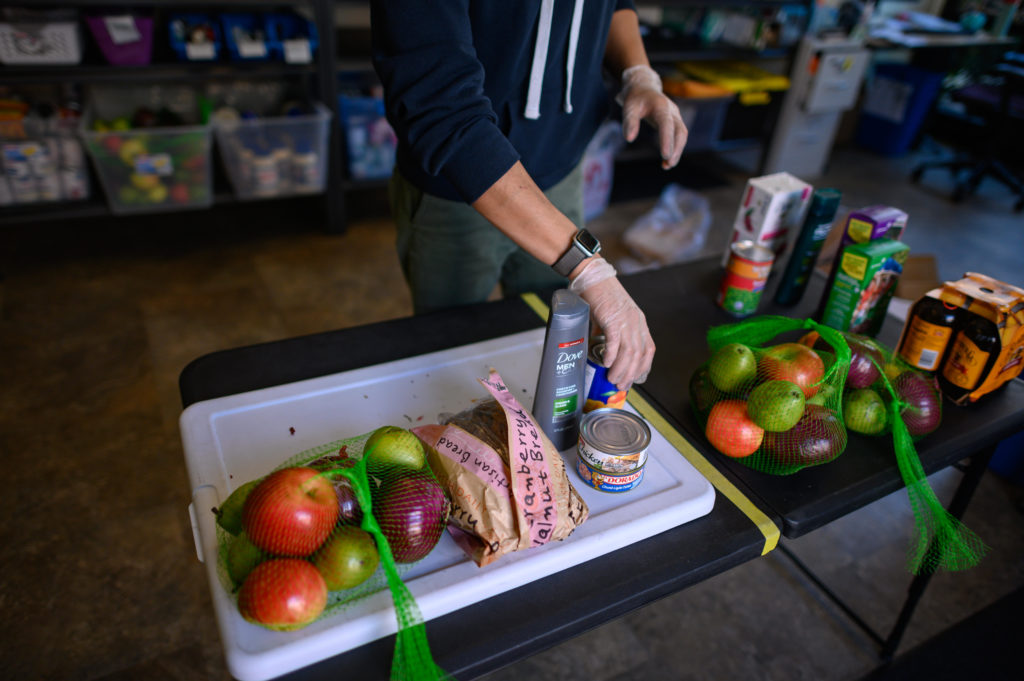
Many are expanding their existing campus food pantries, increasing their stock of non-perishable items, and actively soliciting donations from faculty, staff, and the wider community.
Some institutions are also working to enhance their meal plan options, offering subsidized or free meals to students who are most affected by benefit delays.
The goal is to create a safety net that prevents hunger from becoming a barrier to education.
K-12 Schools: A Crucial First Line of Defense
For younger students in K-12 settings, the impact of food insecurity is equally profound.
Schools that provide universal breakfast and lunch programs are vital, but these programs often do not cover meals outside of school hours, such as dinners or weekend meals.
When families experience a reduction or delay in food assistance, schools are stepping up to connect them with local food banks and community resources.
This collaborative approach is essential for ensuring that children do not go to school hungry, which research shows can lead to fatigue, behavioral issues, and a diminished capacity to learn.
The Far-Reaching Benefits of Consistent Food Access
The importance of consistent food access for students cannot be overstated.
When students are well-nourished, the benefits are manifold and extend far beyond immediate hunger relief.
Studies indicate that adequate nutrition directly correlates with improved academic performance.
Students who have reliable access to healthy food tend to have better concentration, enhanced memory retention, and increased energy levels throughout the school day.
This improved cognitive function allows them to engage more deeply with their lessons, participate actively in class discussions, and tackle complex academic challenges with greater confidence.
Furthermore, consistent food security contributes to better emotional and mental well-being.
The stress and anxiety associated with not knowing where the next meal will come from can be debilitating.
By alleviating this worry, schools and support systems empower students to focus on their personal growth and academic development.
This, in turn, fosters a more positive learning environment for everyone.
The ability to concentrate on studies rather than on the immediate need for food is a significant advantage that directly contributes to a student's overall success and future prospects.
Strategies for Building Resilient Food Support Systems
The challenges posed by food benefit delays highlight the need for robust and resilient food support systems within educational communities.
Institutions are exploring various strategies to ensure that students have consistent access to nourishment, even in times of uncertainty.
These strategies often involve a multi-pronged approach, combining immediate relief with long-term planning.
Campus Food Pantries and Emergency Aid
Many colleges are strengthening their campus food pantries, transforming them into accessible resources for all students.
These pantries are stocked with a variety of non-perishable goods, fresh produce when available, and personal care items.
Beyond pantries, emergency financial aid programs are being established or expanded to provide direct financial assistance to students facing immediate food insecurity.
These grants can help cover the cost of groceries or emergency meals, offering a crucial lifeline during difficult periods.
Partnerships and Community Engagement
Collaboration is key to addressing food insecurity effectively.
Educational institutions are forging stronger partnerships with local food banks, community organizations, and even local businesses.
These partnerships can facilitate the distribution of food, provide access to resources, and create a broader network of support.
Community engagement also extends to soliciting donations, organizing food drives, and raising awareness about the issue.
When the community rallies around its students, the impact can be significant, demonstrating a collective commitment to educational success.
Data-Driven Support and Targeted Interventions
Some institutions are leveraging data to better understand the scope of food insecurity within their student population.
By identifying students who are enrolled in food assistance programs, colleges can proactively reach out and offer tailored support.
This might include providing direct meal vouchers, access to on-campus dining facilities, or information about available resources.
Precise data allows for more targeted and effective interventions, ensuring that aid reaches those who need it most efficiently.
The Long-Term Vision: Integrating Food Security into Educational Planning
The recurring challenges associated with food benefit disruptions underscore the necessity of integrating food security into the core planning of educational institutions.
It is no longer sufficient to view food assistance as an ancillary service; it must be recognized as a fundamental component of student support and academic success.
This requires a shift in perspective, where proactive measures are prioritized over reactive responses.
Schools and colleges should consider developing comprehensive food security plans that anticipate potential disruptions and outline clear protocols for action.
This includes establishing dedicated funding streams for emergency food initiatives, fostering ongoing partnerships with food security organizations, and advocating for policies that ensure the stability and adequacy of federal food assistance programs.
By embedding food security into the institutional framework, educational bodies can create a more supportive and equitable environment for all students, ensuring that hunger never becomes a barrier to learning and achievement.
Conclusion
The challenges faced by students experiencing food insecurity, particularly when vital assistance programs are delayed, are significant and can have a profound impact on their educational journey.
Educational institutions, from K-12 schools to universities, are demonstrating a growing commitment to addressing this critical need through a variety of innovative strategies.
By bolstering food pantries, offering emergency aid, fostering community partnerships, and utilizing data for targeted support, schools are working to ensure that students can focus on their studies rather than worrying about their next meal.
The benefits of consistent food access are undeniable, contributing to improved academic performance, enhanced well-being, and a more positive learning experience.
Ultimately, integrating food security into the fabric of educational planning is essential for cultivating a supportive environment where every student has the opportunity to succeed.







 Explore AI Teaching Tools
Comments (0)
Please login to comment
No comments yet
Be the first to comment on this article