
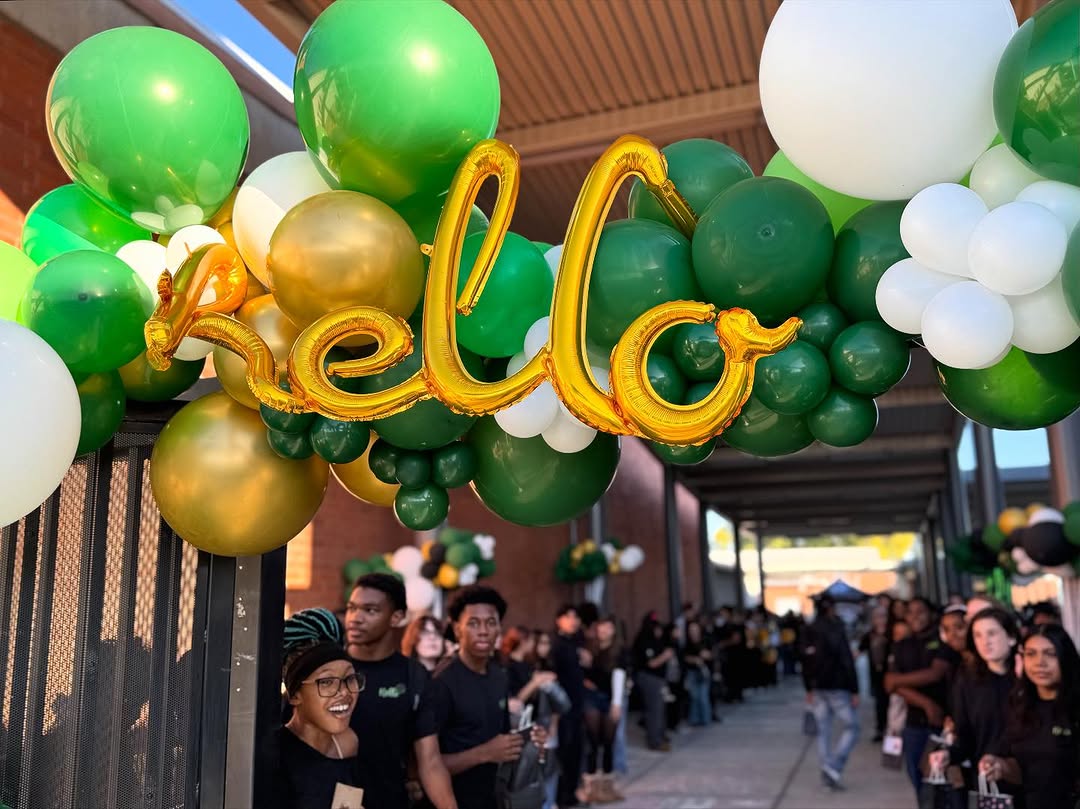
Student Sentinels: How Peer Advocates Are Reshaping School Support and Mental Health
In a landscape increasingly defined by student anxiety and isolation, a groundbreaking initiative is empowering young people to become the frontline of support for their peers. At Antioch High School, a robust peer advocacy program is not only helping students navigate academic and personal challenges but is also proving instrumental in diverting disciplinary actions and fostering a deeper sense of community.
The Rise of the Peer Advocate
When Cristian Topete first walked through the doors of Antioch High School, the transition felt overwhelming. Like many freshmen, he grappled with the pressures of a new environment and the weight of his own emotions. He found himself far from the confident role model he aspired to be, a feeling that ultimately propelled him to join the school's burgeoning peer advocate program.
“I was very troubled. The transition was difficult for me, and it was hard putting myself more out there,” Cristian recalled. “Once I joined this program, it made me realize that I wasn’t alone in my situation and that there are a lot of other people that were going through the same things I was.”
Now a senior and a seasoned peer advocate, Cristian is part of a network of 80 students at Antioch High dedicated to providing comprehensive support. These advocates undergo extensive training, equipping them with the skills to mentor, mediate conflicts, offer brief interventions for substance use and mental health concerns, and cultivate a more connected school environment.
A Decade of Dedication and Growth
The seeds of Antioch High's peer support program were sown a decade ago by Shira Sweitzer, the program's coordinator and a restorative practices facilitator. Her initial motivation stemmed from a persistent shortage of mental health counselors within the school system. The program's growth has been significantly amplified in recent years, particularly with the infusion of state-level support and funding aimed at bolstering student well-being.
“School support was always important to us, but it became more of a priority to the state after Covid,” Sweitzer explained. “And a lot of our growth has come by having the students drive the program, because ultimately they know the needs of the community.”
The Covid-19 pandemic and its lingering effects brought a stark increase in youth isolation, anxiety, and depression, making peer-to-peer support more critical than ever. Recognizing this, California has been expanding school-based peer support programs statewide, a key component of a significant investment in children and youth behavioral health.
Bridging Gaps and Building Trust
One of the program's most impactful contributions lies in its ability to serve as an alternative to traditional disciplinary measures. For students caught with substances on campus, peer advocates offer a pathway to intervention and education that prioritizes understanding over punishment.
“Students don’t want to hear an adult lecture them about their substance use. They’ve already heard it many times,” said Justin Escobedo Lopez, a senior and third-year peer advocate. “I think they’re way more comfortable talking to someone their age about it and not having to hear, ‘What you are doing is bad.’”
Peer advocates engage students in multiple sessions, exploring their relationship with substance use without judgment. They delve into the underlying reasons for use and discuss potential alternatives, fostering an environment where students feel heard and supported, not condemned.
Justin shared a poignant moment when he helped a student navigate nicotine addiction. Similarly, Cristian recounted working with a student caught drinking on campus. Through their conversations, the student realized that peer influence was a significant factor and began to develop strategies to distance herself from negative social pressures, ultimately choosing to reduce her consumption.
Beyond Discipline: Fostering Personal Growth
The impact of the peer advocate program extends far beyond its role in disciplinary alternatives. For the advocates themselves, the experience is a powerful catalyst for personal development, honing essential life skills and even shaping future career aspirations.
Anna Gamble, a senior and third-year advocate, faced initial skepticism from administrators when tasked with supporting a student caught smoking who had been uncooperative with counselors and resigned to suspension. However, Anna’s persistent and empathetic approach yielded remarkable results.
“I ended up meeting up with him almost twice a week for quite a few weeks, and he ended up responding really well,” Anna said. “He was telling me how he would start cutting back his use each time, and he also opened up in other ways than just about his use.”
This ability to connect with students who might otherwise disengage highlights the unique advantage of peer-to-peer interaction. It bridges the gap between students and the support systems available, making help more accessible and less intimidating.
Data-Driven Impact and Future Pathways
The effectiveness of Antioch High's program is underscored by broader initiatives and research. The school's program is a participant in a youth mental health pilot program, a collaborative effort aimed at strengthening student well-being through peer support. Early findings from this initiative are highly encouraging.
Research involving eight participating schools indicated that a staggering 96% of students who accessed peer support reported feeling better afterward. Furthermore, approximately 91% of peer mentors found their training invaluable for developing crucial communication and leadership skills.
Anissa Mangabat, a senior and peer advocate, frequently leads conflict mediation sessions. She emphasizes how learning to navigate differing perspectives has sharpened her communication and analytical abilities. “I learned how to build a relationship with others that I don’t really know that well, and that learning to communicate really helps me grow as a person,” she stated.
For Venessa Humphries, another senior and advocate, the program has been transformative. Her experience has ignited a passion for psychology, with aspirations to become a family therapist. The skills she’s gained in understanding and addressing the root causes of problems are directly applicable to her future career goals.
“When I first joined the program, I was struggling a lot mentally, and going through the trainings helped me to understand not only other people’s emotions, but also how to manage my own,” Venessa shared. This dual benefit – supporting others while fostering self-awareness – is a hallmark of effective peer support models.
A Model for the Future of School Health
The success at Antioch High School offers a compelling blueprint for how educational institutions can proactively address the complex health and behavioral needs of their students. By investing in and empowering peer advocates, schools can cultivate a more supportive, resilient, and understanding environment for all. The program demonstrates that when students are given the tools and the trust, they can become powerful agents of positive change within their own school communities, fostering not only academic success but also profound personal growth and well-being.




 Explore AI Teaching Tools
Comments (0)
Please login to comment
No comments yet
Be the first to comment on this article