
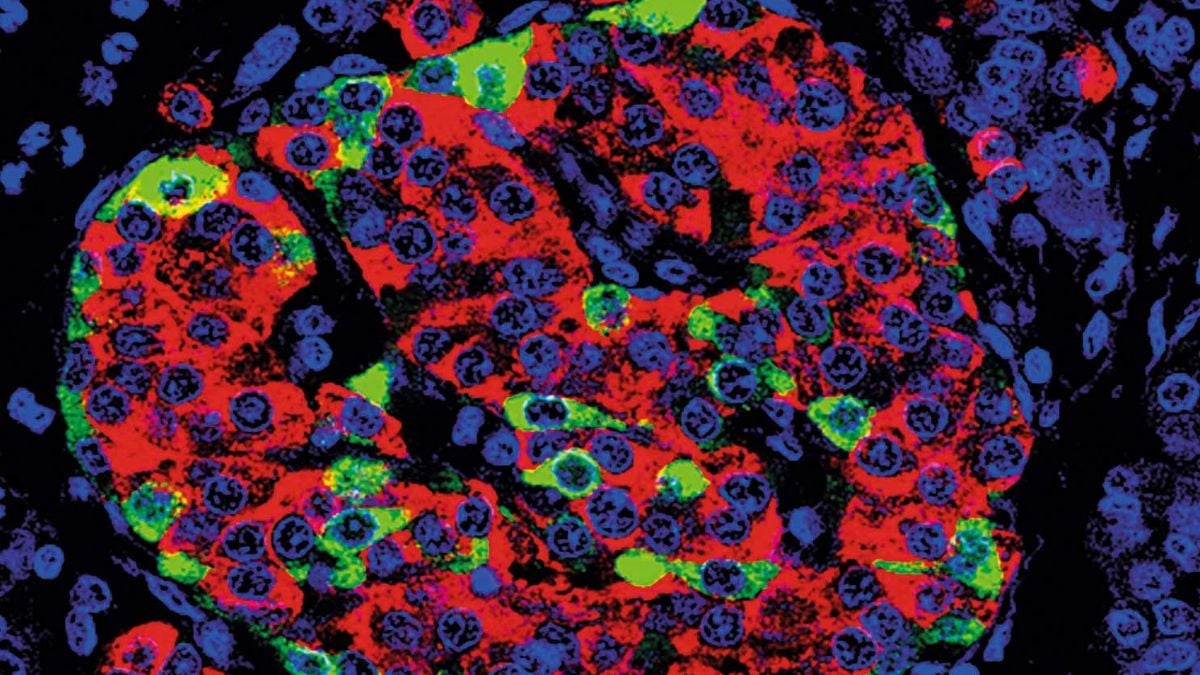
Imagine a classroom where the constant worry of blood sugar fluctuations for students with type 1 diabetes could fade into the background, replaced by the same focus on learning experienced by their peers. Groundbreaking advancements in stem cell therapy are bringing this vision closer to reality, offering a potential paradigm shift in how we manage and even treat this chronic condition, with profound implications for educators and the learning environment.
The Silent Revolution in Diabetes Treatment
For decades, type 1 diabetes has been managed through a regimen of insulin injections and careful monitoring. This approach, while life-sustaining, is a constant balancing act for students, impacting their energy levels, concentration, and overall school experience. The journey for young learners often involves navigating the complexities of their condition alongside academic demands, a challenge many educators are keenly aware of.
Now, cutting-edge research into stem cells is poised to revive the body's natural ability to produce insulin. This isn't just about better management; it's about a potential cure, a prospect that could fundamentally alter the lives of millions of children and adolescents worldwide.
Unlocking the Potential of Stem Cells
The core of this exciting development lies in the remarkable plasticity of stem cells. These undifferentiated cells possess the extraordinary ability to develop into various specialized cell types, including the beta cells in the pancreas responsible for insulin production. By harnessing this power, scientists are exploring methods to regenerate or replace the damaged beta cells that are destroyed in type 1 diabetes.
Early-stage trials are showing promising results, suggesting that stem cell transplantation could effectively restore endogenous insulin production. This means the body could, once again, regulate blood sugar levels naturally, significantly reducing or even eliminating the need for external insulin.
"The potential for stem cell therapy to restore insulin production represents a monumental leap forward, moving beyond mere management to a genuine possibility of remission for type 1 diabetes."
The implications for educational settings are immense. Picture a classroom where students are no longer tethered to a strict injection schedule or the anxiety of unpredictable blood sugar spikes. This freedom could translate into more consistent attendance, improved focus, and a more equitable learning experience for all.
From Lab Bench to Classroom Reality: The Road Ahead
While the scientific breakthroughs are exhilarating, transitioning these therapies from clinical trials to widespread availability requires rigorous testing and regulatory approval. The current trials are meticulously designed to assess safety, efficacy, and long-term outcomes. Educators can stay informed about these developments, understanding that while immediate implementation might be some time away, the trajectory is undeniably positive.
The scientific community is actively pursuing various strategies. Some approaches focus on coaxing existing stem cells within the body to differentiate into insulin-producing cells, while others involve transplanting lab-grown beta cells derived from stem cells. Each method holds unique promise and faces distinct challenges.
Key Areas of Research and Development:
- Beta Cell Regeneration: Developing techniques to prompt the body's own stem cells to become functional beta cells.
- Cell Transplantation: Creating and transplanting lab-grown beta cells or pancreatic islets that can survive and produce insulin.
- Immunomodulation: Strategies to prevent the immune system from attacking the transplanted cells, a crucial step for long-term success.
The success of these interventions could dramatically simplify the daily lives of students with type 1 diabetes. Imagine fewer disruptions to lessons for blood sugar checks or insulin administration. This newfound stability could empower students to engage more fully in classroom activities, from collaborative projects to MentofyCove classroom games, fostering a more inclusive and dynamic learning environment.
Empowering Educators with Knowledge and Tools
As these medical advancements unfold, educators play a vital role in supporting students. Understanding the potential of stem cell therapy can foster a more hopeful outlook and encourage proactive engagement with healthcare providers and school nurses. This knowledge can inform better pastoral care and create a more supportive atmosphere.
Furthermore, the integration of technology can help manage the complexities that still exist. Tools for personalized learning and efficient assessment become even more critical. For instance, Mentofy AI teaching tools, like our AI lesson plan generator and exam creator, can help teachers tailor instruction to individual student needs, freeing up valuable time to focus on student well-being and engagement.
"The ultimate goal is to create an educational landscape where chronic conditions are no longer a barrier to a child's full potential."
The ongoing research into stem cells for type 1 diabetes is more than just a medical story; it's a narrative of hope and innovation that directly impacts the educational journey. By staying informed and leveraging available resources, educators can be at the forefront of supporting a future where students with type 1 diabetes can thrive academically and personally, unburdened by the daily challenges of their condition.
The horizon for treating type 1 diabetes is shifting dramatically, and as these stem cell therapies move through trials towards potential clinical application, the educational community stands to benefit immensely, paving the way for a more equitable and empowered learning experience for all students.







 Explore AI Teaching Tools
Comments (0)
Please login to comment
No comments yet
Be the first to comment on this article