
Decoding Student assessment Scores: A Smarter Path for Parents and educators
Navigating the landscape of educational assessments can feel like deciphering a foreign language, especially for parents eager to understand their child's academic progress.When standardized test scores are presented with ambiguity, it can lead to a disconnect between perceived performance and actual achievement.
This article delves into the crucial importance of clear score reporting, exploring how precise language empowers parents, supports students, and fosters a more informed educational dialogue.
We'll examine the nuances of assessment descriptors and highlight strategies for ensuring that every student's level of understanding is accurately communicated, ultimately helping them achieve smarter academic outcomes.
The Imperative of Clarity in Reporting Student Performance
The fundamental purpose of standardized assessments is to provide a snapshot of a student's academic standing relative to grade-level expectations.However, the way these results are communicated can significantly impact how parents and students interpret them.
When the language used to describe scores is vague or overly softened, it risks masking areas where a student may need additional support.
This lack of directness can create a "reality gap," where parents believe their children are performing at a higher level than their actual scores indicate.
Such misinterpretations can hinder timely interventions and prevent students from reaching their full potential.
Why Precise Language Matters for All Stakeholders
Studies consistently show that when parents have a clear understanding of their child's academic performance, they are better equipped to support their learning journey.This involves not just celebrating successes but also identifying areas that require focused attention.
For students, clear feedback reinforces learning and provides a roadmap for improvement.
Educators, too, rely on accurate score reporting to tailor their instruction and identify students who may be struggling or excelling beyond their peers.
The goal is to foster a collaborative environment where data drives informed decisions, benefiting every student's academic level.
Understanding Assessment Achievement Levels
Standardized tests typically categorize student performance into distinct achievement levels.These levels are designed to provide context and indicate how well a student has mastered the skills and knowledge expected for their grade.
While the specific terminology can vary, the underlying principle remains the same: to offer a graduated scale of understanding.
The Four Tiers of Academic Attainment
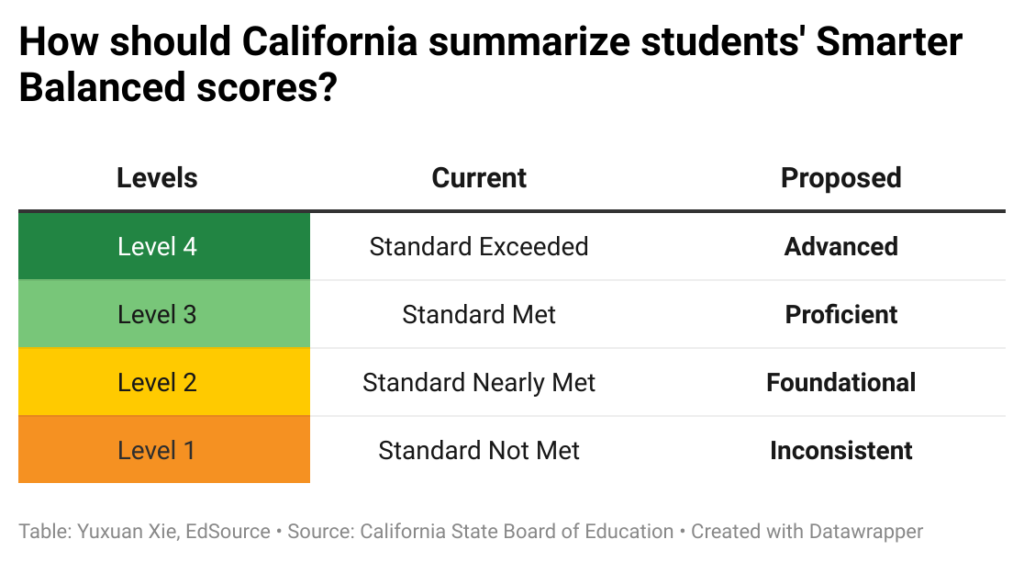
Most assessment frameworks utilize a four-level system to describe student achievement.These levels generally represent a spectrum from foundational understanding to exceeding expectations. * Level 4: Standard Exceeded (Advanced) This top tier signifies that a student has demonstrated a comprehensive and sophisticated understanding of the grade-level content.
They not only meet but surpass expectations, often exhibiting advanced problem-solving skills, critical thinking, and the ability to apply knowledge in complex ways.
Students at this level are typically well-prepared for future academic challenges. * Level 3: Standard Met (Proficient) Achieving this level indicates that a student has met the grade-level expectations for the subject matter.
They possess a solid grasp of the core concepts and skills required, demonstrating competence in applying them.
This level is often considered the benchmark for on-track academic progress, suggesting readiness for subsequent coursework. * Level 2: Standard Nearly Met (Foundational) This level suggests that a student has made some progress towards meeting grade-level expectations but has not yet fully attained them.
They may demonstrate a partial understanding of the material and possess some foundational skills.
However, they likely require additional instruction and practice to achieve proficiency.
The term "nearly met" implies that the student is on the path but needs further development. * Level 1: Standard Not Met (Inconsistent/Needs Substantial Improvement) This lowest tier indicates that a student has not met grade-level expectations and requires significant academic support.
Their understanding of the core concepts and skills is limited, and they may struggle with fundamental aspects of the subject.
Students at this level need targeted interventions to build a stronger foundation.
The Significance of the "Standard Met" Benchmark
The "Standard Met" level (Level 3) is often the target for students, signifying that they are performing at grade level.When a substantial portion of students falls below this benchmark, it signals a need for broader educational strategies and support systems.
This data is critical for identifying systemic challenges and allocating resources effectively to improve overall student scores.
The Debate Over Descriptor Language: Balancing Clarity and Sensitivity
A significant point of contention in educational reporting revolves around the specific wording used to describe assessment results, particularly for lower achievement levels.While the intention is to provide accurate feedback, there's a delicate balance between being direct and being overly critical, which could discourage students and parents.
Examining Proposed Terminology Shifts
In response to feedback that existing labels could be vague or confusing, some educational bodies have explored alternative terminology.For instance, a proposal might suggest replacing "Standard Not Met" with "Inconsistent" and "Standard Nearly Met" with "Foundational." The aim is to reframe the narrative, potentially making it sound less definitive and more indicative of a work in progress.
Critiques of Softened Language
However, critics argue that such softening of language can inadvertently obscure the true academic standing of students.They contend that terms like "Foundational" might lead parents to believe their child is performing better than they actually are, especially when compared to the "Standard Met" benchmark.
This can create a false sense of security, delaying necessary interventions.
The argument is that if a student requires intervention, the reporting should clearly indicate that need, rather than using euphemisms that might obscure the urgency.
The Role of Advocacy Groups
Student advocacy groups often play a crucial role in these discussions.They emphasize that clear, unambiguous language is essential for advocating for the needs of underserved students.
Obfuscating data, they argue, makes it harder for families and advocates to identify and address learning gaps effectively.
Their focus is on ensuring that assessment scores serve as a transparent tool for improvement, not as a means to present a more favorable, yet less accurate, picture.
The Impact of Misinterpretation on Parents and Students
When assessment scores are not clearly communicated, the consequences can be far-reaching.Parents may make decisions about academic support or future educational pathways based on incomplete or misleading information.
The "Reality Gap" in Parental Perceptions
Research indicates a significant disconnect between how parents perceive their children's performance and how those children actually perform on standardized tests.In some instances, a vast majority of parents believe their children are proficient, even when a much smaller percentage of students achieve the "Standard Met" level.
This discrepancy highlights the need for clearer communication that bridges this perception gap.
Consequences for Student Support
If parents are unaware of the extent of their child's academic challenges, they may not seek out the necessary tutoring, academic support programs, or specialized instruction that could make a substantial difference.This delay can lead to students falling further behind, impacting their confidence and their ability to succeed at higher academic levels.
The goal is to empower parents with the information they need to be active partners in their child's education.
Strategies for Smarter Score Reporting
To ensure that assessment scores are a valuable tool for learning and growth, educational platforms and state boards can adopt several best practices.The focus should always be on providing actionable, clear, and supportive information.
Prioritizing Transparency and Directness
The most effective approach involves using clear and direct language that accurately reflects a student's performance against grade-level standards.While sensitivity is important, it should not come at the expense of clarity.
Terms that clearly indicate whether a student is meeting, approaching, or needing substantial support are crucial.
Providing Context and Explanations
Simply presenting a score is often insufficient.Comprehensive reporting should include: * Detailed descriptions of each achievement level: Explaining what each level signifies in terms of skills and knowledge. * Explanations of the assessment's purpose: Clarifying that the tests are aligned with grade-level content and are designed to measure mastery. * Guidance on next steps: Offering suggestions for parents and educators on how to support students at each level, whether it involves enrichment, targeted intervention, or continued reinforcement. * Comparisons to grade-level expectations: Clearly stating what it means to be "on track" or "below track" for the student's current grade.
Leveraging Technology for Smarter Communication
digital learning platforms can play a vital role in transforming how assessment scores are presented.Interactive dashboards can offer: * Visual representations of scores: Using charts and graphs to make data more accessible. * Personalized feedback: Tailoring explanations and recommendations based on individual student scores. * Resource hubs: Linking parents and students to relevant learning materials and support services. * Progress tracking tools: Allowing users to monitor academic growth over time.
The Role of Media in Reporting Scores
It's also important to acknowledge how assessment results are portrayed in the broader media.Oversimplified headlines or sensationalized reporting can contribute to public misunderstanding.
Educational bodies and assessment developers can work to provide clear, concise summaries for media outlets, ensuring that the nuances of the scores are not lost in translation.
This helps to foster a more informed public discourse about student achievement.
Empowering Parents Through Informed Dialogue
The ultimate goal of assessment reporting is to empower parents to be active and informed participants in their child's education.When score reporting is clear and contextualized, it facilitates meaningful conversations between parents, teachers, and students.
Fostering Productive Conversations
Clear score reporting encourages parents to ask pertinent questions, such as: * "What specific skills does my child need to develop to reach the 'Standard Met' level?" * "What resources are available to help my child improve in this area?" * "How can I best support my child's learning at home?" These questions lead to more productive discussions and collaborative strategies between home and school.Building Confidence and Motivation
When students understand where they stand academically and what steps they can take to improve, it can boost their confidence and motivation.Clear feedback, coupled with appropriate support, helps students see their progress and feel empowered to tackle academic challenges.
This positive reinforcement is crucial for long-term academic success.
Conclusion
The way student assessment scores are reported has a profound impact on parents, students, and the broader educational community.While the intention is to provide valuable insights into academic performance, ambiguous or overly softened language can lead to significant misinterpretations.
By prioritizing transparency, using clear and direct descriptors, and providing comprehensive context, educational bodies can ensure that scores serve as a powerful tool for learning and improvement.
Embracing technology and fostering open dialogue are key to bridging the reality gap and empowering every student to achieve their full academic potential, leading to smarter outcomes for all.







 Explore AI Teaching Tools
Comments (0)
Please login to comment
No comments yet
Be the first to comment on this article