
Accelerated Learning: Unlocking Faster Graduation with Eight-Week College Terms
In today's fast-paced world, the traditional college semester can feel like a marathon.Many students, juggling work, family, and personal commitments, seek more efficient pathways to earning their degrees.
This has led a growing number of institutions to explore innovative academic calendars, with the eight-week term emerging as a significant trend.
This model, often referred to as a "minimester," compresses course material into shorter, more intensive periods, offering a compelling alternative for students aiming for quicker academic progression and a more manageable learning experience.
The Rise of the Eight-Week Academic Cycle
The traditional college calendar, typically spanning 15 to 18 weeks per semester, has long been the standard.However, this extended timeframe can present challenges for students who need to balance their education with other life responsibilities.
The eight-week term offers a solution by dividing the academic year into shorter, more focused blocks.
In this accelerated model, a full course load often consists of just two courses per term, a stark contrast to the four or five courses students might take in a conventional semester.
This structure allows for a deeper dive into fewer subjects at a time, potentially reducing the feeling of being overwhelmed and increasing engagement.
Benefits for the Modern Student
Supporters of the eight-week term highlight its significant advantages for a diverse student population.For individuals balancing part-time jobs, family care, or other demanding commitments, the compressed schedule can be a game-changer.
By completing coursework in half the time, students can potentially reduce the overall duration of their college education, leading to less student debt and a faster entry into the workforce.
This model also appeals to students who struggle with procrastination, as the shorter timeframe necessitates consistent engagement and immediate application of learned material.
The intensity of an eight-week course can foster a sense of urgency, motivating students to stay on track and actively participate.
Case Study: Mission del Paso's Success
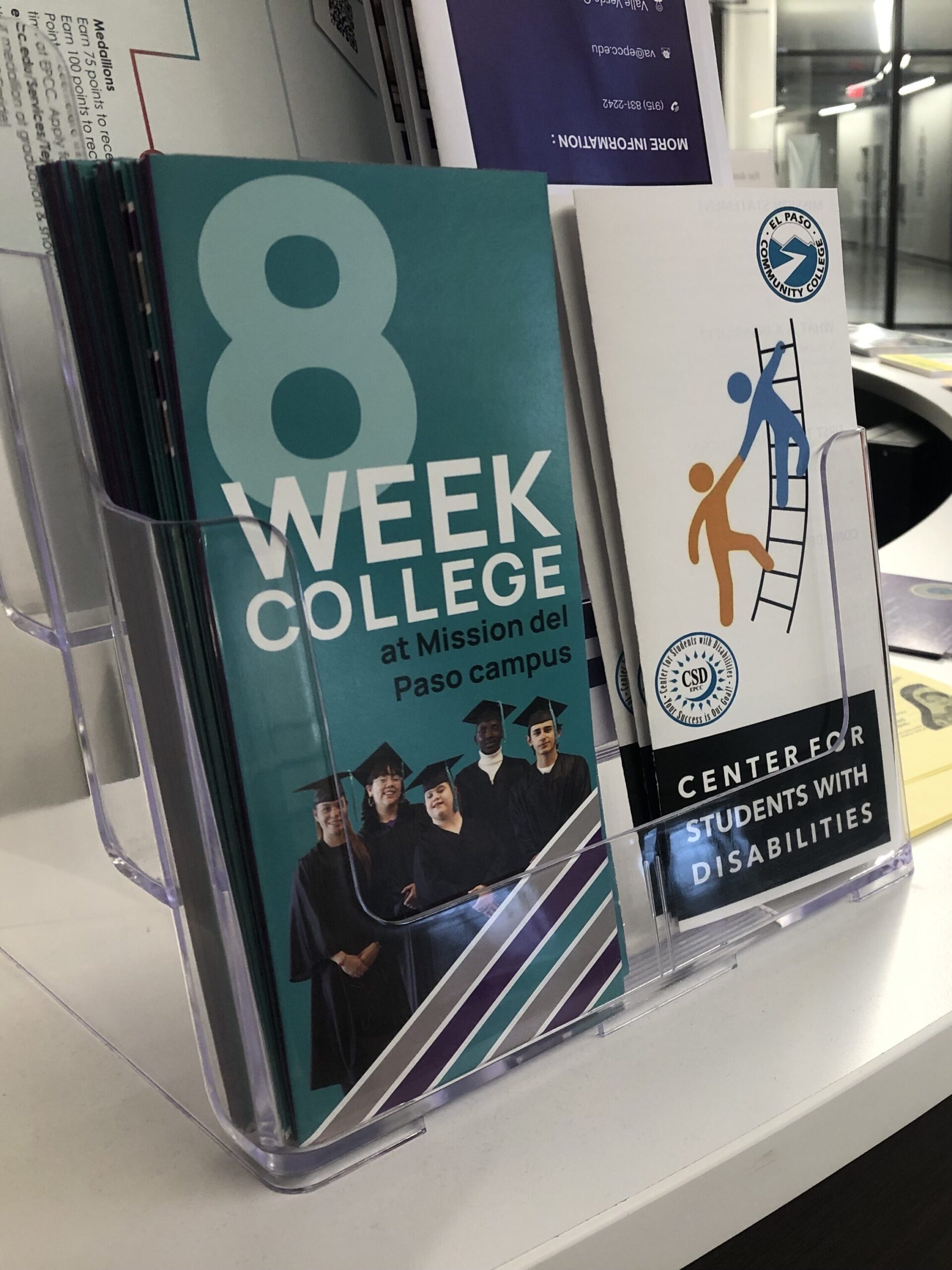
Institutions like the Mission del Paso campus of El Paso Community College have embraced the eight-week calendar with notable success.By converting most of its offerings to this accelerated format, the campus has observed a marked improvement in course completion rates, exceeding district-wide averages.
This shift has not only benefited students by providing a more manageable academic path but has also positively impacted the institution's enrollment and retention figures.
Students at Mission del Paso often report feeling more in control of their studies, appreciating the direct and focused approach to learning that the eight-week terms provide.
The curriculum is often streamlined to focus on the most critical concepts, ensuring that students grasp essential knowledge efficiently.
Navigating the Challenges of Accelerated Learning
While the eight-week term offers numerous advantages, it's crucial to acknowledge the inherent challenges and the significant adjustments required for both students and institutions.The accelerated pace demands a high level of discipline and time management from students.
Successfully completing a course in eight weeks requires consistent effort, active participation, and a willingness to engage with material at a rapid pace.
The Student Experience: Intensity and Engagement
For students, the eight-week experience is characterized by its intensity.Each class session is packed with information, and the expectation is that students will absorb and apply this knowledge quickly.
This can be particularly beneficial for those who thrive in a high-energy learning environment and prefer to tackle subjects in focused bursts.
However, it can also be demanding.
Students must be prepared for a more rigorous schedule, with less time for review or catching up if they fall behind.
The key to success often lies in proactive engagement, utilizing all available resources, and maintaining open communication with instructors.
Institutional Overhaul: Curriculum and Support
Colleges adopting eight-week terms face a substantial undertaking.This transition requires a comprehensive restructuring of academic planning, curriculum design, and faculty training.
Developing courses that effectively deliver the same learning outcomes in half the time necessitates a strategic approach to content delivery and assessment.
Furthermore, institutions must bolster student support services to ensure students have the resources they need to succeed in this intensive format.
This includes robust tutoring services, accessible academic advising, and effective online learning platforms.
The shift also impacts scheduling, ensuring that course sequences allow students to progress toward their degrees without unnecessary delays.
The Evidence Base: Research and Outcomes
As the popularity of eight-week terms grows, so does the body of research examining their effectiveness.While large-scale studies are still emerging, initial findings suggest that this model can indeed lead to positive outcomes for students.
Impact on Academic Performance
Studies conducted within systems like the Virginia Community College System have indicated that students in condensed academic terms often experience improvements in their grades and overall completion rates.Research suggests that students in these accelerated courses are also more likely to successfully complete subsequent courses within the same subject area.
This points to a potential for deeper learning and skill acquisition when material is presented in a focused and timely manner.
The Role of Implementation
However, researchers emphasize that the success of eight-week terms is not solely dependent on the calendar itself but heavily relies on the quality of implementation.Hoori Santikian Kalamkarian, a researcher at Columbia University's teachers College, notes that while eight-week classes are a "promising strategy," their effectiveness is contingent upon how well they are designed and supported.
This underscores the importance of thoughtful curriculum development, effective pedagogical approaches, and robust student support systems to maximize the benefits of accelerated learning.
Comparing Academic Calendars: Semesters vs.
Eight-Week Terms Understanding the differences between various academic calendars is crucial for students and educators alike.
The traditional semester system, with its longer terms, offers a more gradual pace, allowing for more extensive exploration of subjects and a greater buffer for students who may need extra time.
In contrast, the eight-week term prioritizes efficiency and rapid progression.
The Semester Model: Breadth and Depth
In a typical 15-to-18-week semester, students often enroll in four to five courses, covering a broader range of subjects simultaneously.This model allows for more in-depth study within each discipline and provides ample time for research projects, extensive reading, and detailed analysis.
For students who prefer a less hurried academic pace or who are exploring new fields, the semester system can be more accommodating.
The Eight-Week Model: Focus and Velocity
The eight-week term, by its nature, focuses on delivering core content in a concentrated period.A full course load of two classes means students dedicate their attention to fewer subjects, allowing for a more intense and focused learning experience.
This model is particularly attractive for students seeking to accelerate their degree completion, as two eight-week terms can often be nested within a traditional semester.
The tuition per credit hour typically remains the same, regardless of the term length, making it a cost-effective option for some students.
The Future of Academic Calendars
The conversation around academic calendars is ongoing, with institutions continuously evaluating the best ways to serve their students.While some four-year universities have moved towards longer terms or returned to semesters after experimenting with quarters, community colleges, in particular, are seeing a surge in interest in shorter, more flexible academic formats.
Innovations in Learning Delivery
The drive towards more efficient academic models is pushing educational platforms and institutions to innovate in how courses are designed and delivered.The integration of online learning, hybrid formats, and flexible scheduling options are becoming increasingly important.
For students, this means a wider array of choices to fit their individual needs and learning styles.
The focus is shifting towards creating educational pathways that are not only rigorous but also adaptable to the diverse realities of modern learners.
Mentofy's Role in Accelerated Learning
Mentofy, as a global learning platform, is at the forefront of supporting innovative educational approaches.By providing access to a wide range of courses and learning resources, Mentofy empowers students to pursue their educational goals through flexible and efficient pathways.
Whether students are engaging with traditional semester-long courses or exploring accelerated eight-week programs, Mentofy offers the tools and content to facilitate success.
The platform's commitment to accessible and high-quality education aligns with the growing demand for learning experiences that are both effective and adaptable to the evolving needs of students worldwide.
Conclusion
The shift towards eight-week academic terms represents a significant evolution in higher education, driven by the need to provide more accessible, efficient, and student-centered learning opportunities.While this model requires a dedicated approach from both students and institutions, the potential benefits—including faster degree completion, improved engagement, and greater flexibility for busy learners—are substantial.
As research continues to illuminate the impact of these accelerated programs, it is clear that the eight-week term is more than just a trend; it's a powerful strategy for unlocking academic success in the 21st century.
For students seeking to make swift progress toward their educational aspirations, exploring colleges and courses that offer these condensed terms could be a pivotal step in achieving their goals.







 Explore AI Teaching Tools
Comments (0)
Please login to comment
No comments yet
Be the first to comment on this article