
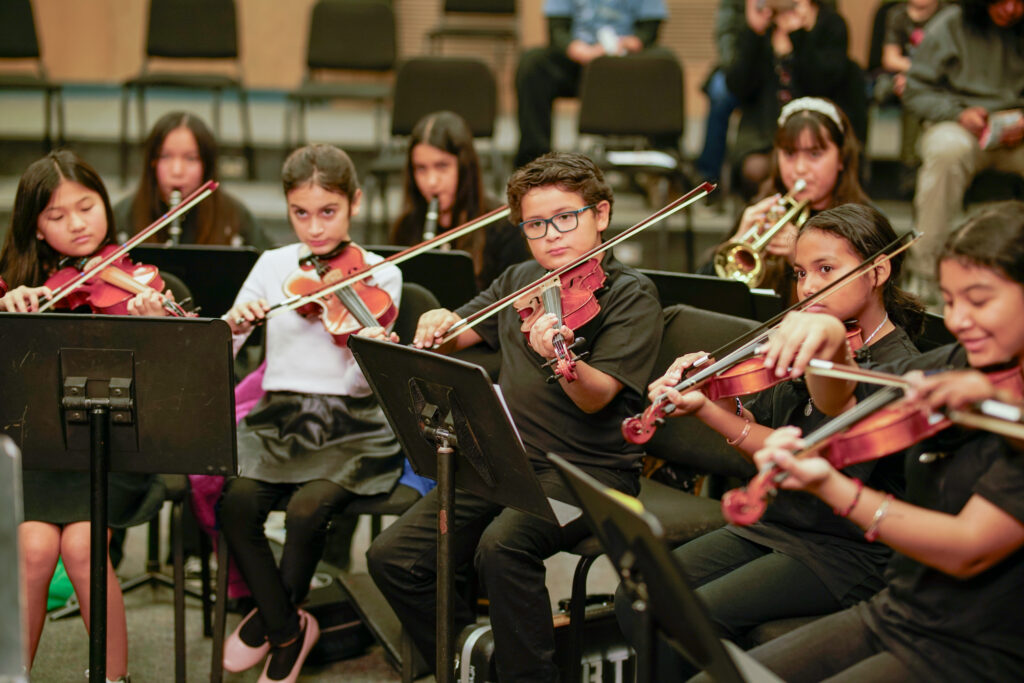
Unlocking Arts Education Expansion: Navigating Challenges for Thriving Schools
The vibrant world of arts education is on the cusp of a significant renaissance, yet its full bloom is being tempered by critical resource gaps.
This article delves into the complexities of expanding arts programs within schools, examining the hurdles that stand in the way of universal access and exploring actionable strategies for overcoming them.
Discover how to foster a richer educational landscape where creativity flourishes for every student.
The Promise and Perils of Arts Education Investment
A landmark initiative, designed to infuse arts education into the fabric of K-12 learning, has ignited hope across numerous school districts.
This ambitious undertaking, fueled by substantial public funding, aims to democratize access to creative disciplines like music, theater, dance, and visual arts.
However, the path to realizing this vision is far from straightforward.
Reports from across the educational landscape highlight a persistent tension between the enthusiastic embrace of arts education and the practical realities faced by schools.
The core challenge lies in translating significant financial investment into tangible, impactful programs that benefit all students, regardless of their school's location or existing resources.
The aspiration is to weave the arts into the daily lives of students, recognizing their profound impact on cognitive development, emotional intelligence, and overall academic achievement.
This educational movement seeks to redress historical inequities where access to quality arts instruction was often a privilege of more affluent schools.
The goal is to ensure that every child, in every school, has the opportunity to explore their creative potential and benefit from the unique learning experiences that the arts provide.
This commitment to a more holistic education is a powerful driver for change, but its success hinges on addressing fundamental operational and structural issues.
Addressing the Educator Shortage: Cultivating a Creative Workforce
One of the most significant roadblocks to expanding arts education is the acute shortage of qualified arts educators.
Many schools struggle to attract and retain teachers with specialized skills in areas such as instrumental music, vocal performance, dramatic arts, and various visual art forms.
This scarcity directly limits the number of students who can participate in these enriching programs.
The demand for arts instruction has surged, particularly with the influx of new funding, creating a critical imbalance between available positions and qualified candidates.
Studies indicate that a substantial increase in the arts teacher workforce is necessary to meet the current and projected demand.
This isn't just about filling vacant positions; it's about building a sustainable pipeline of passionate and skilled educators who can inspire the next generation.
The lack of readily available teachers means that even when schools have the financial resources, they may be unable to launch or expand their arts offerings.
This situation necessitates proactive and innovative approaches to teacher recruitment and development.
Strategies for Bolstering the Arts Educator Pipeline
To combat this critical shortage, educational institutions and governing bodies are exploring multifaceted solutions.
A key recommendation involves subsidizing teacher credential programs, making it more financially feasible for aspiring educators to enter the field.
This can include scholarships, grants, and loan forgiveness programs specifically for those pursuing arts education certifications.
By reducing the financial burden, schools can attract a wider pool of talent.
Furthermore, fostering stronger partnerships between universities and K-12 schools can create more robust student-teaching and internship opportunities.
This not only provides valuable experience for future teachers but also allows schools to identify and mentor promising candidates.
Mentorship programs, where experienced arts educators guide new teachers, can also play a crucial role in retention and professional development.
The aim is to create a supportive ecosystem that encourages individuals to pursue and remain in arts education careers, ensuring that schools have the dedicated professionals they need.
Optimizing Classroom Space and Scheduling for Arts Integration
Beyond the human element, the physical infrastructure and temporal allocation within schools present further challenges.
Expanding arts programs often requires dedicated studio spaces, performance areas, and practice rooms.
Many existing school facilities were not designed with the specific needs of arts education in mind, leading to a lack of adequate or appropriate spaces.
This can force arts programs into makeshift locations, compromising the quality of instruction and the student experience.
The issue of classroom space is particularly acute in districts experiencing growth or those with older infrastructure.
Creative solutions, such as repurposing underutilized areas, modular classroom additions, or community partnerships for shared facilities, are being explored.
The goal is to ensure that the physical environment supports, rather than hinders, the delivery of high-quality arts education.
This requires careful planning and investment in school infrastructure to accommodate the growing demand for creative learning environments.
Rethinking School Schedules for Creative Engagement
The traditional school day structure can also be a significant impediment to arts education.
Limited free time within the existing curriculum often leaves little room for in-depth arts instruction or extracurricular involvement.
Integrating arts education effectively requires a flexible approach to scheduling, allowing for longer, more immersive class periods or dedicated arts blocks.
This ensures that students can fully engage with the creative process without the constant pressure of rushing to the next subject.
Schools are increasingly looking at innovative scheduling models, such as block scheduling or integrated arts periods, to provide students with more sustained engagement.
This might involve dedicating specific days or half-days to arts-focused activities, or weaving arts into other subjects through interdisciplinary projects.
The objective is to create a learning environment where the arts are not an afterthought but a fundamental component of the educational experience, accessible to all students throughout their school day.
Enhancing Transparency and Accountability in Arts Funding
With substantial public funds dedicated to arts education, ensuring transparency and accountability in their allocation and use is paramount.
A critical aspect of successful implementation involves clear communication and robust oversight mechanisms.
Many districts and communities are seeking greater clarity on how these funds are being spent and the impact they are having on student learning.
This builds trust among stakeholders, including parents, educators, and the wider community.
Research indicates that public confidence in arts education initiatives is directly linked to the perceived level of community involvement and transparency.
When families and community members feel informed and engaged, they are more likely to support and advocate for these programs.
Therefore, establishing clear reporting structures and accessible information about fund utilization is essential for the long-term sustainability and success of arts education expansion efforts.
Building Bridges: Community Involvement and Oversight
To foster greater transparency and accountability, the creation of a statewide oversight and advisory committee is frequently recommended.
This committee would ideally comprise a diverse group of stakeholders, including administrators, teachers, parents, students, and community partners.
Such a body can provide crucial guidance on fund allocation, monitor program implementation, and address any emerging concerns or disputes.
This collaborative approach ensures that decisions are informed by a wide range of perspectives and experiences.
Furthermore, empowering local arts advisory councils within school districts can facilitate community participation.
These councils can serve as a vital link between schools and their communities, organizing events, gathering feedback, and advocating for arts education.
Even simple actions, such as attending school board meetings or engaging with school leaders, can be powerful ways for community members to contribute to the conversation and ensure that arts education remains a priority.
This active involvement is key to building confidence and ensuring that the invested funds are used effectively and responsibly.
The Role of State Education Departments in Guiding Implementation
State departments of education play a pivotal role in the successful rollout of large-scale arts education initiatives.
Providing clear, consistent guidance on spending regulations, program development, and accountability measures is crucial for school districts navigating these new opportunities.
Uncertainty and confusion regarding the rules can significantly hinder progress, leading to delays and misinterpretations of funding guidelines.
Studies suggest that a more centralized leadership role from state education agencies is needed, particularly in establishing clear frameworks for oversight and accountability.
This includes offering comprehensive resources, such as frequently asked questions (FAQs) and webinars, to help districts understand and comply with the initiative's requirements.
The aim is to equip schools with the knowledge and support they need to implement arts programs effectively and ethically.
Clarifying Rules and Fostering Best Practices
To address the challenges of implementation, state education departments can establish dedicated task forces or working groups focused on clarifying issues and identifying best practices.
These groups can bring together experts from various sectors of the educational community to develop practical solutions and disseminate valuable information.
The goal is to create a supportive environment where districts can learn from each other and implement programs that are both compliant and impactful.
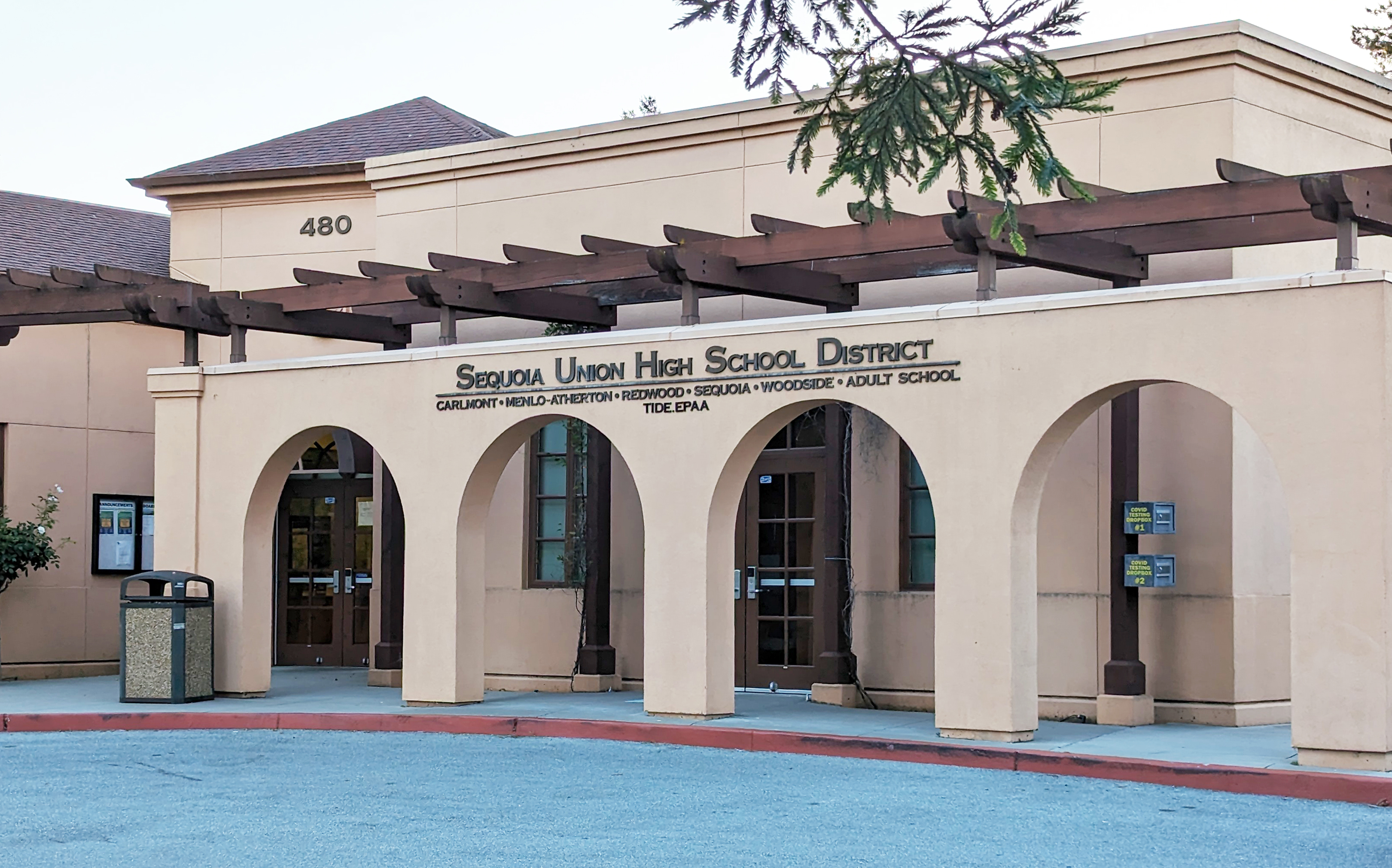
The California Department of Education, for example, has been actively providing guidance and technical assistance to support the effective implementation of its arts education initiative.
This includes offering resources and establishing new avenues for communication.
While these efforts are commendable, some experts advocate for a more formal and robust oversight structure to ensure consistent adherence to the initiative's principles, particularly regarding the rule that new funds should supplement, not supplant, existing arts education budgets.
This ensures that the investment truly expands opportunities rather than merely covering existing costs.
Conclusion: Cultivating a Future Rich in Arts Education
The expansion of arts education represents a profound opportunity to enrich the learning experiences of students across the nation.
While challenges such as educator shortages, infrastructure limitations, and the need for clear guidance persist, they are not insurmountable.
By focusing on strategic recruitment and training for arts educators, optimizing school spaces and schedules, and fostering robust transparency and community involvement, schools can effectively navigate these hurdles.
The commitment to arts education is a commitment to nurturing creativity, critical thinking, and emotional well-being, essential components for success in the 21st century.
With continued dedication and collaborative effort, the vision of a future where every student has access to the transformative power of the arts can become a vibrant reality within our schools.




 Explore AI Teaching Tools
Comments (0)
Please login to comment
No comments yet
Be the first to comment on this article