
Beyond the Taboo: Why Comprehensive Sex Education is a Global Imperative for Young People
In an era where information is instantly accessible, the question of whether to teach comprehensive sex education in schools is no longer a debate, but a critical necessity. Young minds are navigating a complex world, and the digital landscape presents unprecedented challenges, exposing them to a deluge of unfiltered content at increasingly younger ages. The reality is that children are more aware and curious than many adults give them credit for, beginning to explore their bodies and the world around them from infancy.
The internet, a constant companion for today's youth, has become a primary source of information, often unfiltered and inappropriate. A recent national survey revealed that the average age of first exposure to online pornography for teenagers is now 12, with a significant percentage encountering such material even earlier. This pervasive exposure underscores the urgent need for schools to provide accurate, age-appropriate guidance on sexual health, relationships, and well-being.
The Global Lag: Why So Many Schools Fall Short
Despite the clear and present need, many educational systems worldwide are struggling to implement effective sex education programs. In regions like Asia and the Pacific, less than a third of students feel their schools adequately address these crucial topics. Similarly, in the United States, a concerning number of adolescents receive no formal sex education before their first sexual experience, leaving them ill-equipped to make informed decisions.
This deficit raises a fundamental question: why does sex education remain so lacking in so many educational institutions? The reasons are multifaceted, often rooted in deeply ingrained societal beliefs and institutional inertia.
Clash of Values: Religion and Conservatism
For decades, religion and discussions around sex have been a source of societal friction, with conservative religious viewpoints often clashing with comprehensive sex education. Many who hold these beliefs perceive sex education as a direct challenge to their moral frameworks, particularly concerning topics of gender identity and sexual orientation.
This opposition is not merely ideological; research suggests it can also be a perceived power struggle, with some religious leaders fearing that formal education might undermine their authority. The result is often a watered-down curriculum, if any, that fails to equip young people with the knowledge they need.
Curriculum Gaps: The Unfinished Education
The experiences of many students highlight a common failing: sex education curricula are often incomplete, focusing narrowly on abstinence or the consequences of unprotected sex without providing essential information on contraception, consent, or healthy relationships. This leaves students with significant knowledge gaps, unprepared for the realities they may face.
Such a limited approach can perpetuate harmful myths and anxieties. For instance, young people may enter sexual relationships without understanding consent, or females may experience undue guilt and shame, hindering their ability to seek help for sexual health concerns. The ongoing debates surrounding reproductive rights further complicate the landscape, underscoring the need for robust and inclusive education.
Entrenched Conservatism and Heteronormativity
While comprehensive sex education has the potential to dismantle gender stereotypes and combat misogyny, many school programs inadvertently reinforce them. A conservative outlook can lead to curricula that are heteronormative, failing to acknowledge or include discussions about same-sex relationships and the broader LGBTQ+ community.
This exclusionary approach not only marginalizes certain students but also fails to prepare all young people for the diverse world they inhabit. The fear of rolling back progress towards inclusivity in sex and relationships education is a growing concern in many educational circles.
The Unassailable Case for Sex Education: Why It Matters
The importance of comprehensive sex education cannot be overstated. It is a vital tool for harm reduction, empowering young people with the knowledge and skills to make safe and healthy choices throughout their lives.
Harm Reduction: A Proactive Approach
The reality is that desire and curiosity are natural parts of human development. Instead of attempting to suppress these instincts, effective sex education focuses on guiding young people toward healthy and safe practices. Research comparing US counties that received funding for teen pregnancy prevention programs—which emphasized comprehensive sex education—to those that did not showed a significant decrease in teen birth rates.
This data strongly suggests that providing young people with accurate information about sexual health and relationships leads to better outcomes, directly challenging the notion that education about sex encourages premature sexual activity.
Preventing STIs: A Lifesaving Skill
Comprehensive sex education plays a critical role in equipping students with the knowledge to prevent sexually transmitted infections (STIs). Understanding transmission, symptoms, and prevention methods is essential for safeguarding personal health and well-being. Accurate and complete information empowers young people to make informed decisions that can have life-long consequences.
Mitigating the Risks of Early Pregnancy
Pregnancy before the age of 20 carries significant health risks for both the young mother and the child. The World Health Organization highlights increased risks of complications like eclampsia and postpartum infections for adolescent mothers. Babies born to teenage mothers are also more likely to be premature or have low birth weight and face severe neonatal conditions.
Beyond the physical toll, early parenthood can have a profound impact on mental health, with teenage mothers experiencing higher rates of postpartum depression. Comprehensive sexuality education provides young people with the understanding necessary to make choices that protect their physical and emotional health.
The Age-Old Question: When Should Sex Education Begin?
The debate over the optimal age to introduce sex education has persisted for years, with some parents expressing concerns about exposing young children to complex topics too early. Anecdotal evidence of distress caused by age-inappropriate content in some schools fuels these anxieties.
However, a growing consensus among experts and health organizations advocates for initiating age-appropriate sex education at a young age. This approach emphasizes foundational concepts like body awareness, personal boundaries, and understanding safe versus unsafe touch, rather than explicit sexual content.
Research indicates that comprehensive sex education beginning in kindergarten can contribute to preventing child sexual abuse, reducing intimate partner violence later in life, and fostering more inclusive environments for LGBTQ+ students. The key lies in tailoring the content to be age-appropriate, ensuring that young people receive the factual information they need to make sound decisions about their bodies and relationships.
Global Leaders in Sexuality Education: Lessons from Abroad
While many countries grapple with implementing effective sex education, several nations stand out for their progressive and comprehensive approaches. Examining their models offers valuable insights into what works.
The Netherlands: Early and Comprehensive
In the Netherlands, sex education is a legal requirement in all primary schools, covering a wide range of topics from puberty and anatomy to contraception, STIs, relationships, and sexual orientation. This early and thorough approach is credited with contributing to some of the lowest rates of teen pregnancy and STIs globally.
United Kingdom: Evolving Guidance
The UK mandates Relationships Education in primary schools and Relationships and Sex Education (RSE) in secondary schools. Recent updates to guidance place a greater emphasis on online safety, misogyny, and digital well-being, alongside a stronger push for teaching about same-sex relationships and developing essential life skills like boundary setting.
Canada: Provincial Diversity, Core Principles
Canada's approach to sex education varies by province and territory, but most programs cover essential topics such as anatomy, puberty, contraception, STIs, consent, and healthy relationships, ensuring a baseline of knowledge for students across the country.
Nepal: Embracing CSE Amidst Challenges
Despite being a traditionally conservative society, Nepal has integrated Comprehensive Sexuality Education (CSE) into its national curriculum. While urban schools have largely adopted the program, rural areas continue to face challenges with resources and resistance from conservative communities.
South Africa: Structured and Supported Learning
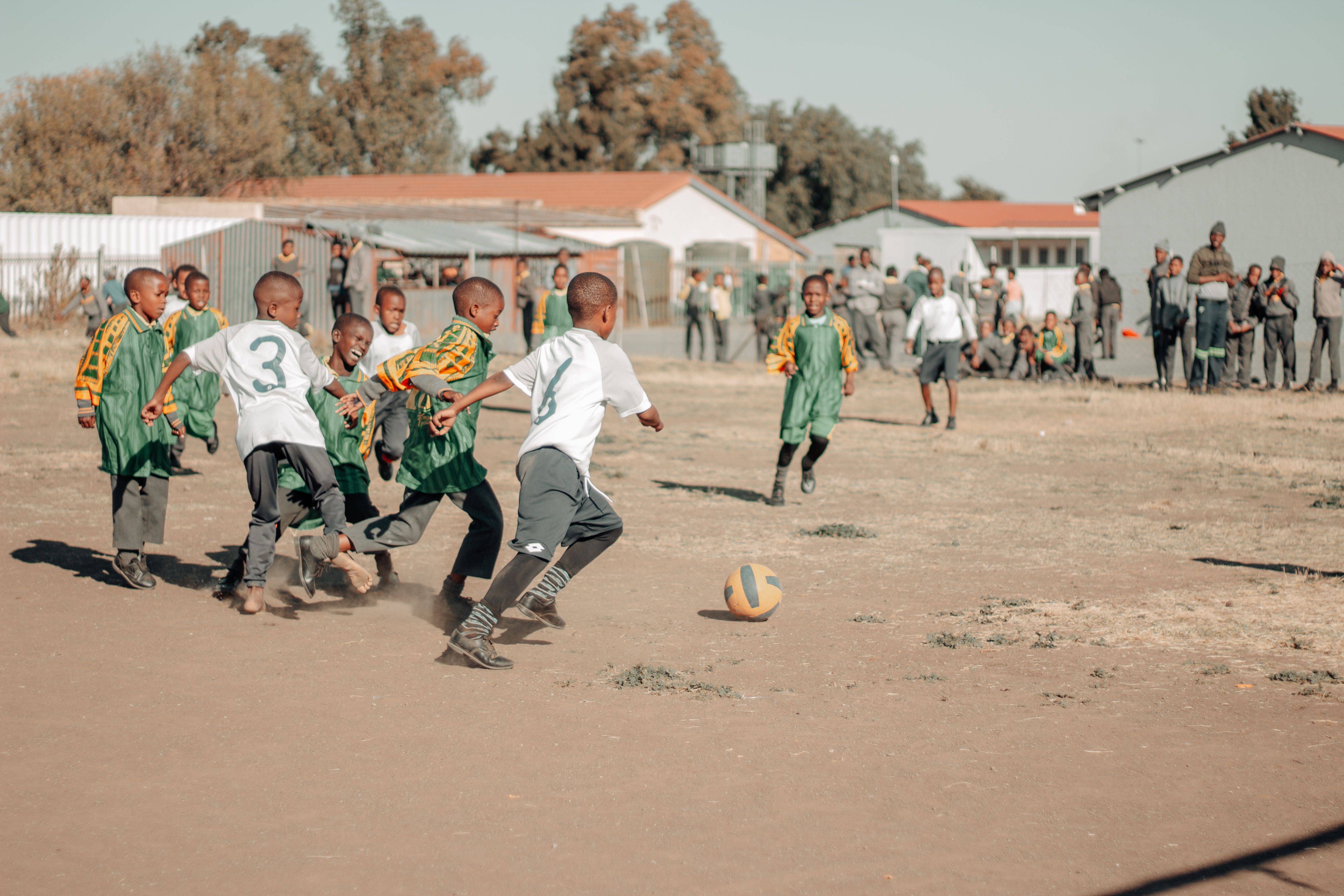
South Africa has embedded sex education into its Life Orientation and Life Skills curriculum, utilizing Scripted Lesson Plans aligned with international guidance. This structured approach, coupled with teacher training, ensures consistent delivery of crucial information on consent, STIs, contraception, and gender equality.
Sweden: Pioneering Mandatory Education
As the first country in the world to mandate sex education in 1955, Sweden boasts one of the most robust programs globally. Starting in the fifth grade, education covers puberty, body development, and even topics like masturbation, fostering a mature understanding from an early age.
Oman: Culturally Sensitive Integration
Oman has integrated sex education into its school system, carefully balancing it with cultural and religious values. School health programs focus on adolescent reproductive health and puberty, with strong parental support for programs that emphasize pre-marital abstinence within an Islamic framework.
South Korea: Mandatory but Debated
Sex education is mandatory from elementary through high school in South Korea, aiming to provide knowledge on reproductive health, relationships, and personal safety. Despite its mandatory status, debates continue regarding the emphasis on abstinence and the inclusion of diverse sexual orientations.
Thailand: Responding to Rising Fertility Rates
Thailand's sex education journey began in 1938, with a formal curriculum implemented in 1978. A significant turning point came in 2016 with legislation aimed at preventing adolescent pregnancy, driven by rising fertility rates, highlighting the direct impact of education on public health outcomes.
China: Legal Mandate, Implementation Gaps
Since 2020, comprehensive sexuality education has been legally mandated in China for all schools. However, a national curriculum is still developing, and implementation varies, with ongoing efforts to address cultural taboos and teacher training needs through resources like the You & Me Sexuality Education Platform.
Norway: Early and Holistic CSE
Norway offers comprehensive sex education from age six, integrating CSE into its national curriculum. Standardized toolkits promote a holistic understanding of sexual health, relationships, consent, diversity, and sexual rights, aiming to foster responsible decision-making and respectful relationships.
Germany: Progressive and Secular Approach
Germany has a legally required sex education curriculum that parents cannot opt out of. The program is notable for its neutrality and scientific framing, free from moral or religious bias. The Federal Centre for Health Education provides widely used teaching materials and resources, including anonymous online portals for young people.
Uruguay: A Model for Comprehensive Programs
Uruguay is a standout in Latin America for its comprehensive, nationwide sex education program, mandated from primary through secondary levels. Its curriculum includes reproductive health, contraception, sexual rights, and LGBTQ+ inclusion, supported by a liberal legal framework. UNESCO recognizes Uruguay as a positive example of sustained, high-quality sex education.
Frequently Asked Questions About Sex Education
At What Age Should Sex Education Start?
Most experts and health bodies, including the WHO and UNESCO, recommend beginning age-appropriate sex education in early childhood, as young as kindergarten. The focus at this stage is on body awareness, personal boundaries, and understanding safe touch, with content evolving as children mature. Research suggests that early, comprehensive sex education can help prevent child sexual abuse and reduce intimate partner violence.
Does Sex Education Encourage Young People to Have Sex Earlier?
No, the evidence consistently demonstrates the opposite. Comprehensive sex education does not increase sexual activity or encourage earlier sexual behavior. In fact, young people who receive thorough sex education are more likely to delay sexual debut, use contraception when they become sexually active, and report fewer sexual partners. Abstinence-only programs, conversely, have shown no measurable effect on the age of sexual initiation.






 Explore AI Teaching Tools
Comments (0)
Please login to comment
No comments yet
Be the first to comment on this article