
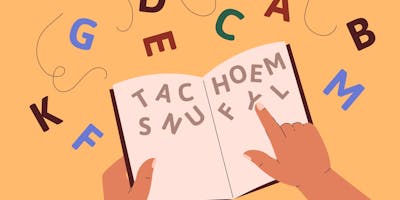
Bridging the Literacy Gap: Empowering Older Students with Essential Reading Skills
For many students, the journey of learning to read begins with excitement and foundational skills taught in the early grades.However, a concerning trend reveals that as students progress through school, a significant number find themselves struggling with reading comprehension, impacting their academic success across all subjects.
This article explores the critical need for robust reading instruction that extends beyond elementary school, ensuring that every student, regardless of their grade level, has the opportunity to develop strong literacy skills.
We will delve into the research, the challenges faced by older students, and actionable strategies that educators and parents can implement to foster a lifelong love of reading.
The Persistent Challenge of Reading Proficiency in Older Students
It's a disheartening reality that many students who enter middle and high school are not reading at grade level.This isn't a new phenomenon; educators have observed this disconnect for decades.
The ability to decode words is only the first step; true literacy involves understanding complex texts, inferring meaning, and critically analyzing information.
When students lack these advanced reading skills, their academic performance suffers, not just in English language arts, but in science, social studies, and even mathematics, where understanding word problems is crucial.
The "Reading to Learn" Hurdle
The transition from "learning to read" in the early grades to "reading to learn" in higher grades is a significant one.While younger students are taught the mechanics of reading – phonics, phonological awareness, and basic comprehension – older students are expected to use reading as a tool to acquire knowledge in various subjects.
When the foundational skills are shaky, this "reading to learn" phase becomes an insurmountable obstacle.
Students may be able to sound out words, but they struggle to grasp the nuances of complex sentences, specialized vocabulary, and abstract concepts presented in their textbooks.
This can lead to disengagement, frustration, and a perception of academic inability, even when the root cause is a deficit in reading proficiency.
Understanding the Science of Reading: A Foundation for All Ages
The "science of reading" is a comprehensive body of research that explains how individuals learn to read and what instructional approaches are most effective.This research, which has been accumulating for decades, highlights several key components essential for successful reading development.
Understanding these pillars is crucial for designing effective reading programs that cater to students of all ages.
The Five Pillars of Effective Reading Instruction
Research consistently points to five core components that form the bedrock of reading proficiency:- Phonological Awareness: The ability to recognize and manipulate the spoken sounds in words.
This includes identifying rhymes, counting syllables, and understanding that words are made up of individual sounds (phonemes).
- Phonics: The understanding of the relationship between letters (graphemes) and sounds (phonemes).
Explicit phonics instruction teaches students how to decode words by sounding them out and how to encode words (spell) by associating sounds with letters.
- Fluency: The ability to read text accurately, at an appropriate rate, and with proper expression.
Fluent readers can read smoothly, allowing them to focus on comprehension rather than struggling with individual words.
- Vocabulary: The knowledge of the meaning of words.
A strong vocabulary is essential for understanding what is read.
This includes both the words students encounter in spoken language and those they find in written texts.
- Reading Comprehension: The ultimate goal of reading – the ability to understand and interpret written text.
This involves a complex interplay of decoding, vocabulary, background knowledge, and strategic thinking.
In fact, the application of these skills becomes more sophisticated and critical for success in higher grades.
The Disconnect: Why Older Students Are Being Left Behind
Despite the growing awareness and implementation of research-backed reading programs, a significant gap persists in supporting older students who struggle with literacy.Many current initiatives and legislative efforts primarily focus on kindergarten through third grade, leaving a considerable number of students without the targeted interventions they desperately need.
The K-3 Focus: A Double-Edged Sword
The emphasis on early literacy is undeniably important.Research shows that intervening early can prevent many reading difficulties from developing.
However, this laser focus can inadvertently create a situation where students who don't master reading by third grade are not adequately supported as they move into fourth, fifth, and beyond.
- Missed Opportunities for Intervention: Students who fall through the cracks in the early grades may not be identified or receive the necessary support before their reading challenges become deeply entrenched.
- Curriculum Demands: As students progress, the curriculum becomes more demanding.
They are expected to read more complex texts and engage with abstract concepts.
Without strong foundational skills, they are ill-equipped to meet these expectations.
- Teacher Training Gaps: While many elementary school teachers are receiving training in the science of reading, this training often diminishes or disappears for middle and high school educators.
This leaves them unprepared to address the specific reading needs of their older students.
The Impact on Teachers and Classrooms
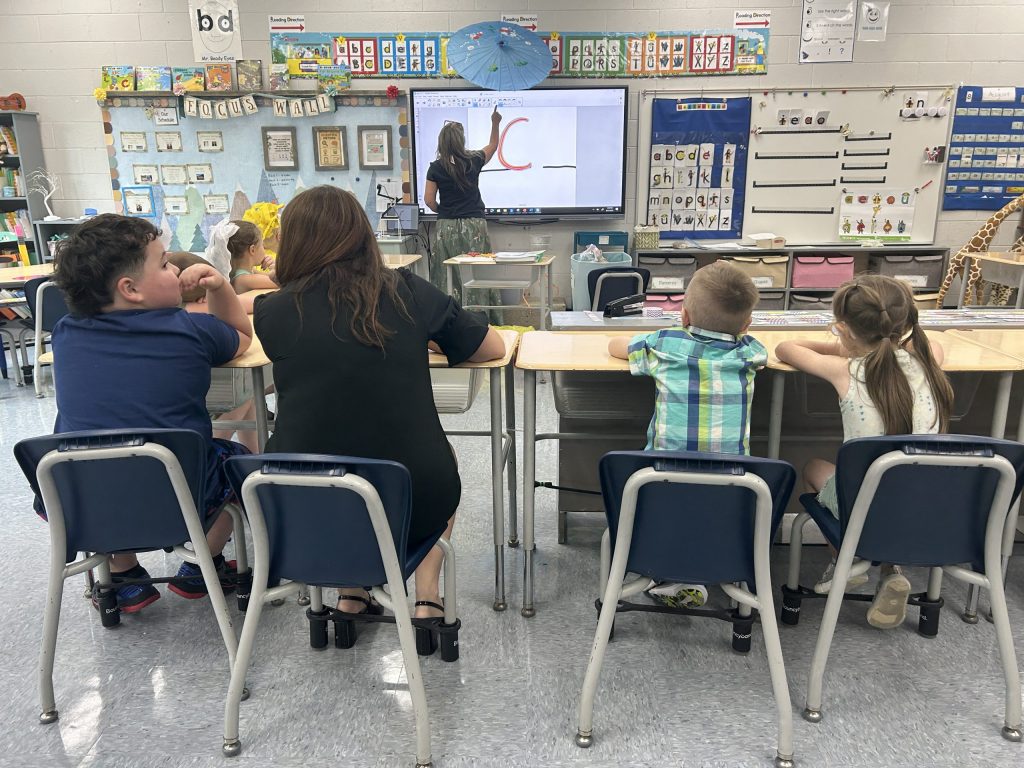
The struggle of older students with reading directly impacts their teachers.Many middle and high school teachers report having to dedicate significant class time to reteaching foundational reading skills, such as phonics and word recognition.
This takes away from valuable instructional time for the subject matter they are tasked with teaching.
It's a challenging situation where teachers are often forced to become reading interventionists, a role for which they may not have received adequate preparation.
Strategies for Empowering Older Students' Reading Skills
Addressing the literacy gap for older students requires a multifaceted approach that extends beyond traditional intervention models.It involves a commitment to providing comprehensive reading instruction across all grade levels and subject areas.
Integrating Reading Strategies Across the Curriculum
The most effective way to support struggling older readers is to embed reading instruction and strategies into all subjects.This means that English language arts teachers are not the only ones responsible for literacy development.
- Explicit Instruction in All Subjects: Teachers in science, social studies, math, and other disciplines can incorporate explicit instruction in vocabulary, text structure, and comprehension strategies relevant to their subject matter.
For example, a science teacher might explicitly teach how to read scientific diagrams or understand the structure of a lab report.
- Vocabulary Development: Teachers should proactively teach key vocabulary words that students will encounter in their lessons.
This can involve pre-teaching words, using graphic organizers, and encouraging students to use new vocabulary in their discussions and writing.
- Text Complexity Analysis: Educators can help students understand the different levels of text complexity they encounter.
This includes teaching them how to identify the purpose of a text, the author's perspective, and the intended audience.
- Modeling Reading Strategies: Teachers can model their own thinking processes as they read complex texts.
This includes thinking aloud about how they approach difficult words, make inferences, and synthesize information.
Targeted Interventions and Support
While cross-curricular integration is vital, some students will still require more intensive, targeted interventions.- Reading Interventionists: Schools should ensure they have qualified reading interventionists who can provide small-group or one-on-one support to students with significant reading difficulties.
These interventions should be evidence-based and tailored to the specific needs of each student.
- personalized learning Plans: For students who continue to struggle, developing personalized reading plans can be highly beneficial.
These plans should outline specific goals, strategies, and progress monitoring measures.
- Utilizing Technology: Educational technology can play a role in supporting older readers.
Adaptive learning platforms, text-to-speech tools, and digital reading resources can provide personalized practice and support.
The Role of Professional Development for Teachers
Equipping teachers with the knowledge and skills to support older readers is paramount.- Science of Reading Training for All Educators: Professional development should extend to middle and high school teachers, providing them with a strong understanding of the science of reading and practical strategies for implementing evidence-based instruction in their classrooms.
- Collaborative Learning Communities: Creating opportunities for teachers to collaborate, share best practices, and problem-solve together can foster a supportive environment for improving literacy instruction.
- Focus on Adolescent Literacy: Professional development should specifically address the unique challenges and needs of adolescent learners, including their motivation, engagement, and the cognitive demands of reading complex texts.
Fostering a Culture of Reading Beyond the Classroom
The responsibility for fostering strong reading skills extends beyond the school walls.Parents and the wider community play a crucial role in supporting students' literacy development.
Parental Involvement and Awareness
Many parents underestimate the extent to which their children may be struggling with reading.Open communication between schools and parents is essential.
- Educating Parents: Schools can provide resources and workshops for parents to help them understand the science of reading and how they can support their child's reading at home.
- Encouraging Home Reading: Parents can create a reading-rich environment at home by providing access to books, reading together, and modeling reading as an enjoyable activity.
- Monitoring Progress: Parents should engage with their child's teachers to understand their reading progress and to identify any potential areas of concern early on.
Community Initiatives
Libraries, community centers, and local organizations can contribute to promoting literacy.- Summer Reading Programs: These programs can help prevent summer learning loss and keep students engaged with reading during school breaks.
- Literacy Events: Hosting author visits, book fairs, and reading challenges can create excitement around reading within the community.
- Access to Resources: Ensuring that all members of the community have access to libraries and a wide range of reading materials is fundamental.
Conclusion
The ability to read proficiently is a cornerstone of academic success and lifelong learning.While significant progress has been made in early literacy education, it is imperative that we do not overlook the critical needs of older students who continue to struggle.
By embracing the science of reading, integrating reading strategies across all subjects, providing targeted interventions, and fostering strong partnerships between schools, parents, and communities, we can effectively bridge the literacy gap.
Empowering every student with the reading skills they need to thrive ensures a brighter future for them and for society as a whole.
The journey of reading is a marathon, not a sprint, and Mentofy is committed to providing the resources and support necessary for learners of all ages to reach their full potential.





 Explore AI Teaching Tools
Comments (0)
Please login to comment
No comments yet
Be the first to comment on this article