
Nourishing Futures: How Farm-to-School Programs Cultivate Healthier Students and Stronger Communities
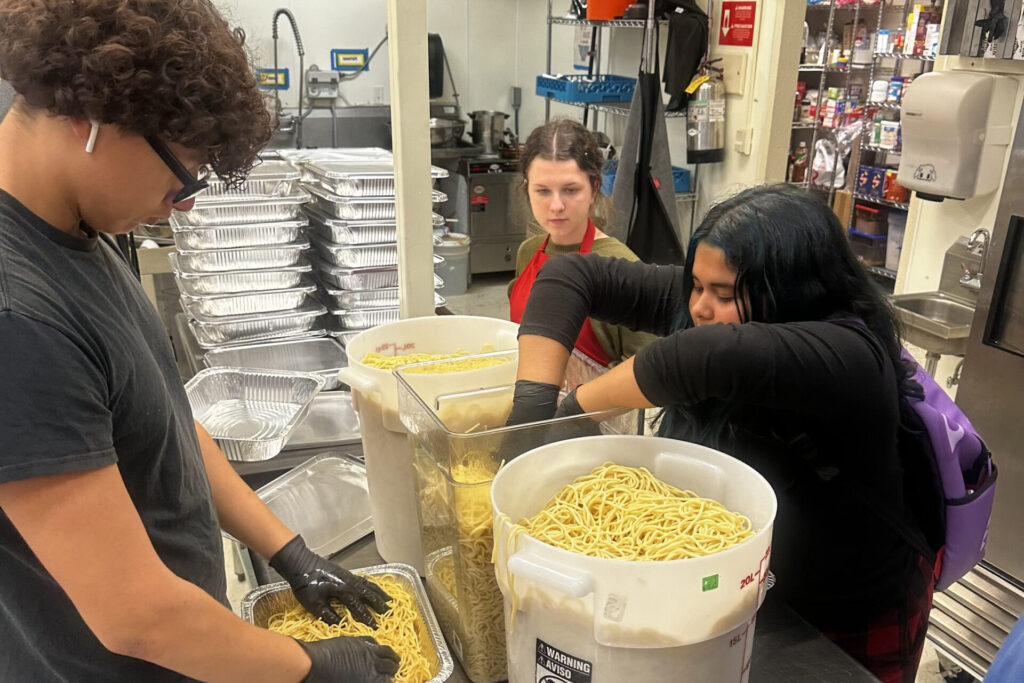
Imagine a school cafeteria where vibrant, fresh produce replaces pre-packaged meals, and students eagerly explore new flavors from around the globe.
This isn't a distant dream; it's the reality cultivated by innovative farm-to-school initiatives.
However, recent shifts in federal funding have cast a shadow over these vital programs, impacting everything from the quality of food served to the livelihoods of local farmers.
This article delves into the profound benefits of farm-to-school connections, explores the challenges posed by funding disruptions, and highlights how we can champion these essential educational and nutritional pathways for students.
The Delicious Revolution: Transforming School Food
For many school nutrition directors, the daily grind often involves the monotonous task of preparing and serving familiar, often processed, foods.
The desire to break free from this cycle and introduce students to a world of exciting tastes is a powerful motivator.
By focusing on diverse culinary traditions and embracing global flavors, schools can transform mealtime into an adventure.
This approach has led to the introduction of dishes like sweet potato and black bean chimichurri bowls, and fragrant coconut rice with red lentil dal, which have been met with enthusiastic approval from students.
These culinary explorations are not just about taste; they are about broadening horizons and fostering a lifelong appreciation for wholesome food.
The San Luis Coastal Unified School District, for instance, has been at the forefront of this movement.
They are part of a network of hundreds of districts across California that have benefited from federal programs designed to connect schools with local agricultural producers.
These initiatives are widely recognized as a triple win: schools gain access to fresh, locally sourced produce and invaluable learning opportunities about food systems; local economies thrive with a stable income stream for farmers; and the environment is protected as locally grown food minimizes transportation emissions.
It's estimated that a significant portion of the state's students have experienced the positive impact of these farm-to-school programs, with California schools receiving substantial grant funding to support these endeavors.
The Unforeseen Impact: Funding Cuts and Their Ripple Effect
Despite the clear advantages, recent federal funding adjustments have significantly strained these crucial programs.
The reduction in support for initiatives like Local Food for Schools has created considerable challenges for school districts, many of which operate on tight, self-sufficient budgets.
This comes at a time when the cost of food is already escalating, forcing difficult decisions about purchasing and menu planning.
The absence of additional funding means that the ability to procure fresh, local ingredients is compromised, potentially leading to a reduced support for local economies and a shift away from the healthier food options that students have come to enjoy.
The implications of reduced funding for school meals are far-reaching.
At a time when many states are actively working to phase out ultra-processed foods in favor of healthier alternatives, any further financial strain on school nutrition services could be detrimental.
Research consistently shows that children who are hungry or malnourished struggle to learn effectively.
Therefore, ensuring access to nutritious meals is not merely a matter of catering; it is fundamental to academic success and overall well-being.
The loss of financial support directly impacts the capacity of schools to provide the quality nutrition that students need to thrive.
Cultivating Curiosity: Farm-to-School as an Educational Powerhouse
The benefits of farm-to-school programs extend far beyond the cafeteria.
Building direct relationships with local farmers offers students a unique opportunity to understand the journey of their food, from the soil to their plates.
This hands-on connection fosters a deeper appreciation for agriculture, healthy eating, and the interconnectedness of our food systems.
Students gain valuable insights into the hard work and dedication involved in farming, developing a greater respect for the sources of their sustenance.
In many districts, these programs involve exciting educational components.
Fourth and fifth graders might embark on field trips to local farms, immersing themselves in the daily operations and learning about the intricate ecosystems that support agricultural production.
They witness firsthand the processes that bring food to their school tables, fostering a tangible understanding of where their food comes from.
Farmers often reciprocate by visiting school campuses, sharing their expertise and passion for cultivating various crops.
This exchange of knowledge creates a dynamic learning environment that bridges the gap between classroom education and real-world application.
Innovative Learning in Action
Some districts are taking this integration even further.
In Lodi Unified School District, for example, students actively participate in the farm-to-school pipeline through the implementation of hydroponic systems within classrooms.
These vertical growing systems, which do not require soil, allow students to cultivate their own produce, such as lettuce, right in their learning environment.
The ultimate goal is for the food grown by the students to be served in their school meals, creating a powerful sense of ownership and accomplishment.
This hands-on experience not only teaches them about sustainable agriculture but also instills valuable lessons in responsibility and the satisfaction of nurturing something from seed to harvest.
Furthermore, produce can serve as a versatile tool for integrating into core academic subjects.
teachers can leverage the farm-to-school connection to enhance lessons in geography, by exploring the proximity of farms to their school, or in mathematics, by calculating travel times and distances.
This interdisciplinary approach makes learning more engaging and relevant, demonstrating how food systems are intertwined with various aspects of our lives and the world around us.
The Unseen Heroes: Supporting Local Farmers and Economies
The impact of farm-to-school programs resonates deeply within local communities, providing a critical lifeline for farmers.
For many agricultural producers, school districts represent a significant and reliable wholesale customer, particularly during seasons when other markets may be less consistent.
The loss of these partnerships can create a substantial gap in their customer base, making it challenging to maintain financial stability.
The abrupt nature of funding cuts can be particularly destabilizing for farmers.
Unlike gradual reductions that allow for strategic planning and the exploration of alternative markets, sudden cuts create a vacuum.
This unpredictability can disrupt planting schedules, investment decisions, and overall business planning, turning an already inconsistent market into a precarious one.
Farmers need consistent support to invest in their operations, plan for future harvests, and ensure the continued availability of fresh, local produce for schools and communities.
Navigating the Challenges: Resilience and the Path Forward
While federal programs have historically played a vital role, there's a growing sentiment that schools should not solely rely on temporary grants for sustained nutrition initiatives.
The challenges faced by school nutrition services are multifaceted, encompassing not only funding fluctuations but also broader issues like inflation and supply chain disruptions.
These external pressures exacerbate the difficulties in providing high-quality, nutritious meals.
The desire to move away from ultra-processed foods and to maintain a skilled workforce of chefs in schools is paramount.
These professionals are instrumental in creating healthy, delicious meals that appeal to students.
The potential elimination of these roles or a return to less healthy food options would be a significant step backward.
The goal is to build a sustainable food system that supports student health, local economies, and environmental well-being, rather than reverting to less desirable alternatives.
Conclusion
Farm-to-school programs represent a powerful model for fostering healthier students, supporting local economies, and enriching educational experiences.
The vibrant flavors, the hands-on learning opportunities, and the direct connections to local farmers create a ripple effect of positive change.
While recent funding challenges present significant hurdles, the commitment to nourishing students with fresh, wholesome food remains a critical priority.
By understanding the value of these initiatives and advocating for their continued support, we can ensure that schools remain vibrant hubs of learning and healthy eating, cultivating a brighter future for all students.







 Explore AI Teaching Tools
Comments (0)
Please login to comment
No comments yet
Be the first to comment on this article