
Navigating the Future of Education: Understanding Rural School Districts and Consolidation Challenges
The landscape of education is constantly evolving, and in many rural communities across America, a significant shift is underway: the potential closure and consolidation of small school districts.This transformation, driven by declining enrollments and increasing costs, sparks passionate debates about community identity, educational quality, and the very future of learning for countless students.
This article delves into the complexities of this critical issue, exploring the challenges faced by small districts and the ongoing discussions surrounding their consolidation, offering insights valuable to educators, parents, and policymakers alike.
The Heart of Rural Education: Small Schools and Their Communities
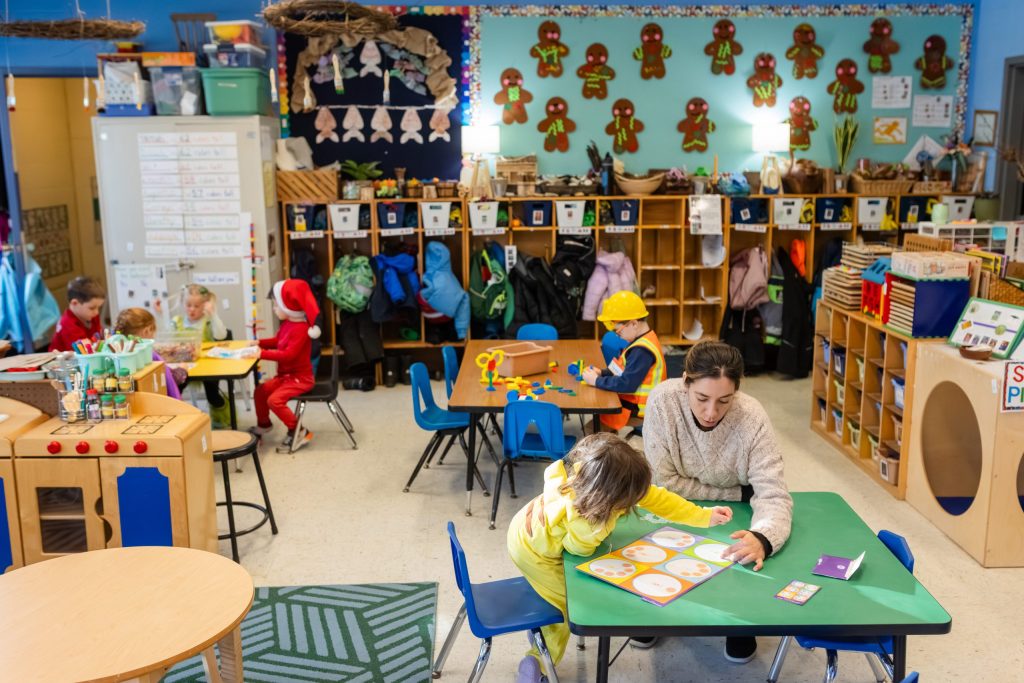
In the fabric of rural America, small schools often serve as more than just educational institutions; they are vital community hubs.Take, for instance, a hypothetical elementary school in a close-knit town.
With a modest number of students, from prekindergarten through sixth grade, every child is known, and the school is a place where community members actively participate.
Local families might rally for supply drives, volunteer for field trips, or contribute to school upkeep, demonstrating a deep understanding of the school's importance to their town's vitality.
This level of engagement is a hallmark of many small schools, where the success of the institution is intrinsically linked to the well-being of the community it serves.
These schools foster a unique environment where students develop strong bonds with their peers and educators, creating a supportive and familiar atmosphere conducive to learning and personal growth.
The Growing Pressures on Small School Districts
However, these cherished institutions are facing unprecedented challenges.Nationwide, public school enrollments have seen a decline, a trend particularly pronounced in rural areas.
Factors such as lower birth rates and increased competition from alternative schooling options contribute to this demographic shift.
When student numbers decrease, the cost per student can rise significantly, as essential operational expenses, including staffing and facilities, remain relatively constant.
This financial strain is pushing many states to consider or implement measures aimed at consolidating school districts, a move intended to streamline operations and potentially reallocate resources more efficiently.
The debate over these consolidations is multifaceted, touching upon concerns about maintaining local control, ensuring equitable access to educational opportunities, and preserving the unique character of rural communities.
The Consolidation Conundrum: Balancing Efficiency and Community Values
The push for school district consolidation is a complex issue with passionate advocates on both sides.Proponents argue that merging districts is a necessary step to address declining student populations, improve academic outcomes, and manage escalating education budgets.
They believe that larger districts can offer a wider range of academic programs, specialized services, and extracurricular activities, ultimately benefiting students by providing more diverse learning opportunities and potentially improving test scores.
The argument often centers on the idea of achieving economies of scale, where shared resources and centralized administration can lead to cost savings that can then be reinvested into educational initiatives.
This perspective emphasizes the need for a proactive approach to ensure that all students, regardless of their geographic location, have access to a high-quality education.
Examining the Evidence: What Do the Studies Say?
While the theoretical benefits of consolidation are often cited, the practical outcomes are frequently debated.Research on the effectiveness of school mergers presents a mixed picture.
Some studies indicate that consolidation can lead to cost savings and improved academic performance, particularly when students transition to higher-performing schools.
However, other analyses suggest that the financial benefits are not always realized, with savings often offset by increased transportation costs for students traveling longer distances or by higher salary demands in newly combined districts.
Furthermore, the impact on student well-being and academic achievement can vary significantly.
Studies indicate that students experiencing consolidation may face considerable transitions, which can affect their academic performance and social-emotional development.
Factors such as longer bus rides, which reduce time for homework and extracurricular activities, and the potential for students to be dispersed across multiple new schools, rather than all attending the same institution, can create challenges.
The success of a merger often hinges on meticulous planning to ensure a smooth transition and foster a welcoming environment for all students.
The complexities of these outcomes underscore the importance of a nuanced approach, recognizing that the effectiveness of consolidation is highly dependent on the specific local context and the careful implementation of merger plans.
The Impact on Students and Communities
The decision to consolidate school districts has profound implications for students and the communities they inhabit.For students, a merger can mean attending a larger school, potentially with more resources and a wider array of academic and extracurricular offerings.
This can expose them to new subjects, advanced courses, and diverse peer groups, enriching their educational experience.
A larger school might also be able to offer specialized programs, such as robust instrumental music instruction or full-time library services, that were previously unavailable in smaller settings.
However, the transition to a larger school can also be a significant adjustment.
Students may experience a loss of the close-knit relationships they had in their smaller school, and the increased size can sometimes lead to feelings of anonymity.
The logistics of longer travel times to school can also impact students' daily routines, potentially affecting their ability to participate in after-school activities or dedicate sufficient time to their studies.
For rural communities, schools are often more than just places of learning; they are anchors that bind residents together.
The closure or consolidation of a local school can feel like a loss of community identity, impacting social cohesion and the vibrancy of town life.
These schools often serve as gathering places for community events, fostering a sense of belonging and shared purpose.
The departure of a school can diminish opportunities for residents to connect and can affect the appeal of a town for young families, potentially impacting its long-term sustainability.
The debate over consolidation, therefore, is not just about educational policy; it is also about preserving the social and cultural heart of rural America.
Exploring Alternative Models: Shared Services and Voluntary Mergers
Recognizing the complexities and potential drawbacks of mandated district consolidation, some states and educational leaders are exploring alternative approaches.One such model involves the creation of regional "cooperative education service areas." In these arrangements, districts would pool resources and collaborate on essential services, such as transportation, special education support, and professional development for educators.
This approach allows districts to achieve some of the cost efficiencies and expanded service offerings associated with consolidation without dissolving their individual identities or forcing school closures.
Another strategy gaining traction is the incentivization of voluntary mergers.
Instead of mandating that districts combine, states can offer financial or other forms of support to districts that choose to merge.
These incentives could be tied to specific goals, such as strengthening high school programs or improving access to specialized educational services.
This approach respects local autonomy and allows communities to make decisions that best suit their unique circumstances.
By providing financial incentives, states can encourage districts to explore the benefits of collaboration and shared governance, fostering a more flexible and responsive educational system that prioritizes the needs of students and communities.
The Path Forward: Data-Driven Decisions and Community Engagement
As states grapple with the future of rural education, a balanced approach that prioritizes both fiscal responsibility and the well-being of students and communities is essential.This requires a commitment to data-driven decision-making, where the potential benefits and drawbacks of any proposed changes are thoroughly analyzed.
Comprehensive financial assessments of consolidation efforts, considering all associated costs and savings, are crucial.
Moreover, robust community engagement is paramount.
Decisions about school district structures should not be made in isolation.
Open and transparent dialogue with parents, educators, students, and community members is vital to understanding local needs and concerns.
By involving stakeholders in the planning process, educational leaders can build trust and ensure that any reforms are implemented in a way that strengthens, rather than diminishes, the educational experience for all.
The goal is to create an education system that is both efficient and equitable, one that serves the diverse needs of students across the state and fosters thriving communities for generations to come.
Conclusion
The challenges facing rural school districts are significant, but they also present an opportunity to reimagine and strengthen education for the future.The debate over consolidation highlights the intricate balance between achieving operational efficiencies and preserving the invaluable role that small schools play in their communities.
By exploring innovative models like shared services and voluntary mergers, and by prioritizing data-driven decision-making and genuine community engagement, states can navigate this complex landscape.
The ultimate aim is to ensure that every student, regardless of their location, receives a high-quality education that prepares them for success, while simultaneously supporting the vitality and unique character of rural America.







 Explore AI Teaching Tools
Comments (0)
Please login to comment
No comments yet
Be the first to comment on this article