
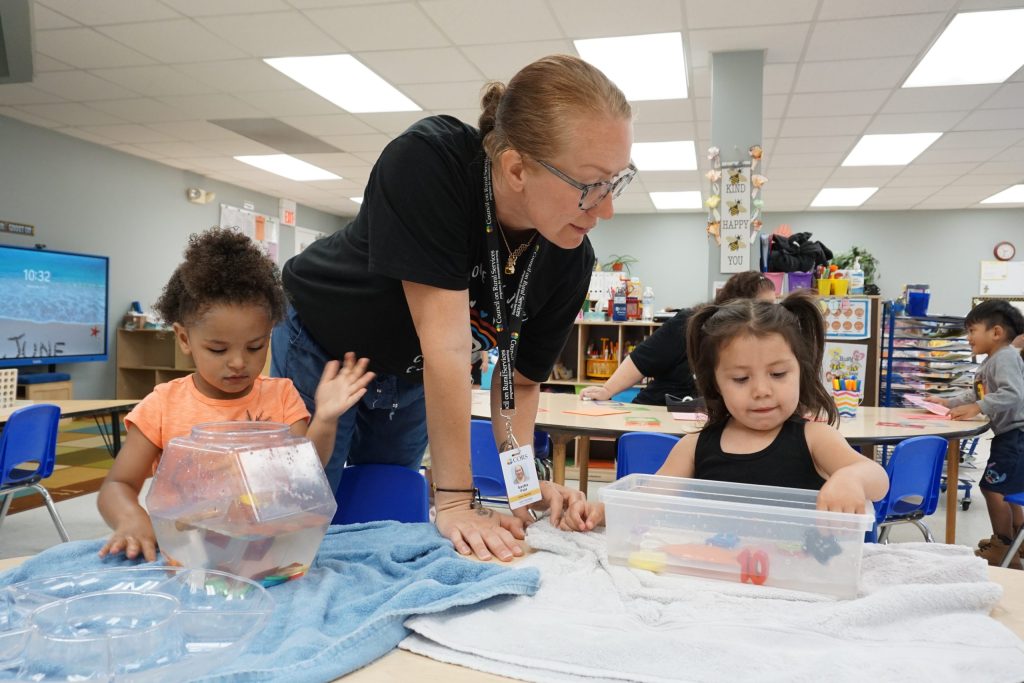
Head Start: A Vital Lifeline for Rural Communities and Children's Futures
In communities across the nation, a critical program provides essential early education, health, and family support, especially for those in rural areas.This program, known as Head Start, has become a cornerstone for countless families, offering stability and opportunity.
However, recent federal uncertainties have cast a shadow over its future, sparking concern among the very people who rely on it most.
This article delves into the profound impact of Head Start, particularly in rural settings, and explores the challenges it faces, highlighting why its continued support is paramount for children and communities alike.
The Indispensable Role of Head Start in Rural America
For many families residing in small towns and remote regions, Head Start is far more than just a preschool program; it's a comprehensive support system.It offers a crucial starting point for young children, providing them with the foundational skills necessary for academic success and overall well-being.
The program's reach extends beyond the classroom, encompassing vital health screenings, nutritional guidance, and resources that address the unique needs of low-income families.
Studies indicate that early childhood education programs like Head Start can significantly impact a child's long-term educational attainment and economic prospects.
Beyond Education: Comprehensive Family Support
What truly sets Head Start apart, especially in underserved areas, is its holistic approach.It recognizes that a child's development is intrinsically linked to the stability and support of their family.
For parents, Head Start often serves as a lifeline, enabling them to pursue employment or education by providing reliable and accessible childcare.
This is particularly true in rural areas where alternative childcare options may be scarce or prohibitively expensive.
The program also offers invaluable parenting resources, connecting families with social services, mental health support, and opportunities for personal growth.
This integrated model ensures that both children and their caregivers are empowered to thrive.
Head Start's Deep Roots in Rural Communities
Contrary to a common misconception that Head Start primarily serves urban populations, data reveals a significant presence and impact in rural America.Nearly 90 percent of rural counties across the United States host Head Start programs.
This widespread accessibility underscores the program's critical role in bridging developmental gaps for children in areas that often face economic challenges and limited resources.
The federal funding that underpins Head Start allows these local programs, often managed by public or private entities including schools and non-profit organizations, to operate and serve a substantial portion of the nation's youngest learners.
Economic Engine for Local Economies
The influence of Head Start extends far beyond the families it directly serves, acting as a vital economic contributor to rural communities.These centers are often significant local employers, providing stable jobs for educators and support staff.
Furthermore, Head Start programs actively engage with local businesses, creating a ripple effect of economic activity.
They procure goods and services from local farmers, grocers, mechanics, and carpenters, injecting much-needed capital into the local economy.
This interconnectedness demonstrates how Head Start is not just an educational initiative but also a key component of rural economic vitality.
Navigating Federal Uncertainty and its Impact
The stability and continued operation of Head Start programs are intrinsically tied to federal funding and policy.Recent years have seen periods of significant uncertainty, with proposed budget cuts and administrative changes creating apprehension among program administrators, staff, and the families they serve.
Such federal turmoil can have a tangible impact on local operations, leading to delays in funding, staffing adjustments, and a general sense of precariousness.
This instability makes it challenging for programs to plan for the future, invest in staff development, and expand their reach to serve all eligible children.
The "Death by a Thousand Cuts" Phenomenon
Even when outright elimination is not enacted, a series of smaller funding adjustments, administrative hurdles, and policy shifts can collectively weaken a program.This phenomenon, sometimes referred to as "death by a thousand cuts," can erode the capacity of Head Start centers to deliver their full range of services.
For rural programs, which often lack the diversified funding streams found in urban areas, these incremental reductions can be particularly detrimental.
The constant need to adapt to changing federal directives diverts valuable time and resources away from the core mission of serving children and families.
The Human Element: Stories of Impact and Resilience
The true measure of Head Start's value lies in the personal stories of the individuals and families whose lives have been transformed by its support.For many parents, the program has provided the essential stability needed to maintain employment, pursue education, and build a better future for their children.
Educators, often deeply committed to their communities, describe their work as a calling, going above and beyond to support the holistic development of each child.
These narratives underscore the profound human impact of Head Start and the deep connections it fosters within communities.
Empowering Parents, Shaping Futures
Consider the experience of parents who, without Head Start, would struggle to balance work and childcare.The program's accessibility and affordability have allowed countless mothers and fathers to remain in the workforce, contributing to their family's financial security.
Beyond childcare, Head Start empowers parents by providing them with the knowledge and resources to be active participants in their children's education and development.
This support can be particularly transformative for parents facing challenging circumstances, offering them a pathway to greater self-sufficiency and improved family well-being.
Head Start as a Catalyst for Community Development
The positive effects of Head Start ripple outwards, contributing to the overall health and vibrancy of rural communities.By investing in early childhood education, these programs are cultivating the next generation of engaged citizens and skilled workers.
The employment opportunities created by Head Start centers also bolster local economies, supporting families and businesses alike.
In essence, Head Start acts as a powerful catalyst for community development, fostering a more equitable and prosperous future for all.
Addressing Child Care Deserts and Poverty
Rural areas are disproportionately affected by "child care deserts" – regions with a severe lack of accessible and affordable childcare options.Head Start programs are often the only available solution for families in these areas, ensuring that young children have access to quality early learning experiences.
Furthermore, Head Start plays a crucial role in combating child poverty by providing essential resources and support to low-income families, helping to break cycles of disadvantage and promote upward mobility.
The Path Forward: Ensuring Head Start's Continued Success
The ongoing dialogue surrounding federal funding and policy for Head Start is critical.Ensuring the program's long-term viability requires sustained commitment and a recognition of its indispensable role, particularly in rural America.
Advocates emphasize the need for consistent and adequate funding that keeps pace with inflation and the growing demand for services.
Investing in Head Start is not merely an expenditure; it is an investment in the future of our children and the strength of our communities.
Strengthening Support Systems for Rural Programs
To further enhance the effectiveness of Head Start in rural settings, strengthening existing support systems is paramount.This includes ensuring clear and consistent communication from federal and state agencies, facilitating access to technical assistance, and fostering collaboration among programs.
By providing rural Head Start centers with the resources and support they need, we can empower them to overcome challenges and continue to deliver high-quality services to the children and families who depend on them.
Conclusion
Head Start stands as a beacon of opportunity and support, particularly for children and families in rural communities.Its comprehensive approach to early education, health, and family services has a profound and lasting impact, fostering individual growth and strengthening the fabric of local economies.
While federal uncertainties present challenges, the resilience and dedication of Head Start staff, parents, and communities shine through.
By understanding the vital role Head Start plays and advocating for its continued robust support, we can ensure that this essential program continues to provide a strong start for every child, laying the foundation for a brighter future for all.







 Explore AI Teaching Tools
Comments (0)
Please login to comment
No comments yet
Be the first to comment on this article