
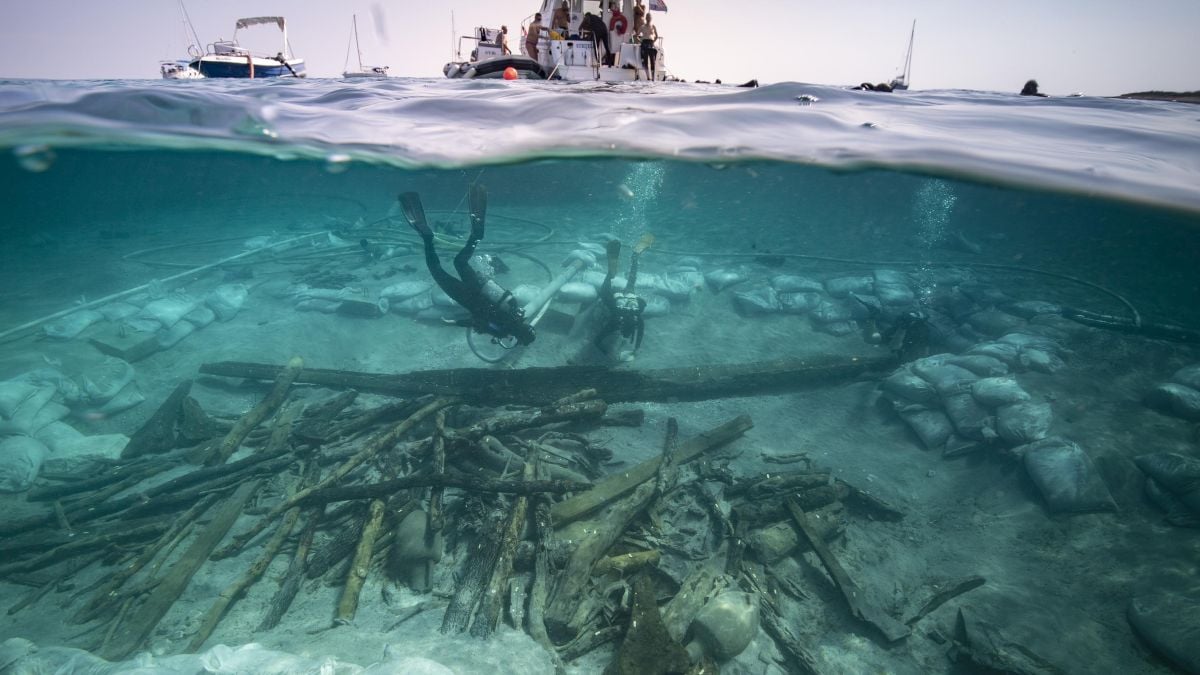
A recent archaeological discovery, a remarkably preserved Roman-era wreck, has unearthed secrets about ancient shipbuilding that offer profound lessons for modern educators. This ancient vessel, designed to withstand the test of time for nearly two millennia, reveals ingenious techniques in construction and resource management that resonate with today's challenges in building resilient learning environments. Understanding how these early humans built ships to last can inspire us to construct more durable and effective educational practices.
Ancient Ingenuity: The Foundation of Lasting Structures
The discovery of this Roman-era wreck is more than just a historical curiosity; it's a tangible testament to the enduring principles of skilled craftsmanship. Scientists and historians are poring over the details, marveling at the sophisticated joinery and material choices that allowed these ships to survive for so long. This meticulous approach to building underscores a fundamental truth: quality and foresight are paramount for longevity.
For educators, this translates directly into the design of our curriculum and pedagogical approaches. Are we simply patching up existing structures, or are we investing in the foundational elements that will ensure our students' learning endures? The resilience of these ancient ships suggests that a deep understanding of underlying principles, rather than superficial fixes, is key to long-term success.
Lessons from the Deep: What the Wreck Reveals About Durability
The physical evidence from the wreck paints a vivid picture of how ancient humans approached the challenge of building vessels that could withstand the harsh realities of sea travel. The careful selection of timber, the precise methods of joining planks, and the strategic reinforcement of key structural points all contributed to the ships' remarkable durability.
This ancient wisdom highlights the importance of robust design in any undertaking. Just as the Romans understood that a ship's hull needed to be strong and flexible to survive storms, educators must recognize that learning environments require similar resilience. This means focusing on foundational skills, fostering critical thinking, and creating adaptable frameworks that can weather the inevitable shifts and challenges in education.
The preservation of this Roman-era wreck is extraordinary, revealing construction techniques that allowed ships to last for nearly two thousand years. It's a powerful reminder of how much we can learn from the ingenuity of past humans.
Building for the Future: Applying Ancient Principles to Modern Classrooms
The insights gleaned from the wreck are not merely academic; they offer actionable strategies for educators looking to build more effective and enduring learning experiences. The focus on strong foundations and meticulous construction can guide our approach to curriculum development and classroom management.
Consider the meticulous way these ancient ships were built. Every joint, every plank, served a purpose in ensuring the vessel's integrity. This mirrors the importance of carefully sequenced learning objectives and the interconnectedness of different subject areas. When each component of the learning experience is thoughtfully designed and integrated, the entire structure becomes stronger.
Strategic Planning and Resourcefulness
The builders of these Roman-era ships were incredibly resourceful, using the best available materials and employing techniques that maximized their strength and longevity. This spirit of strategic planning and resourcefulness is something educators can emulate.
This involves not just selecting the right teaching materials but also understanding how to best utilize them. It means employing pedagogical strategies that are proven to be effective and adaptable, much like the sturdy construction of the ancient ships. Embracing tools that streamline this process, such as Mentofy AI teaching tools for lesson planning and creating engaging content, can significantly enhance our capacity to build lasting learning.
The Power of Collaboration and Shared Knowledge
The construction of such impressive vessels likely involved a significant degree of collaboration and the sharing of specialized knowledge among artisans. This collective effort was crucial to their success and durability.
In today's educational landscape, fostering a collaborative environment is equally vital. Whether it's through professional development communities, peer-to-peer learning, or utilizing platforms that facilitate group work, sharing best practices and supporting one another is essential. Tools like MentofyGroups, with its intelligent student grouping and co-teacher support, can help foster this collaborative spirit.
Beyond the Classroom Walls: Creating Enduring Learning Experiences
The Roman-era wreck serves as a powerful metaphor for the kind of educational structures we aim to build. We want learning experiences that are not fleeting but that have a lasting impact on our students, equipping them with the knowledge and skills they need to navigate the complexities of the world for years to come.
This requires a shift from simply delivering information to cultivating a deeper understanding and a love for lifelong learning. It means designing lessons that are not only engaging in the moment but that also build a strong foundation for future learning. This is where innovative tools and approaches come into play, helping us achieve that goal.
- Focus on Foundational Skills: Prioritize core competencies that serve as the bedrock for future learning.
- Integrate Learning: Connect different subjects and concepts to create a holistic understanding.
- Embrace Adaptability: Design flexible learning frameworks that can evolve with changing needs.
- Foster Collaboration: Encourage teamwork and shared knowledge among students and educators.
- Utilize Technology Wisely: Leverage tools that enhance efficiency and engagement without compromising depth.
The lessons from this ancient wreck are clear: building something that lasts requires intention, expertise, and a commitment to quality. By applying these principles, educators can move beyond temporary fixes and construct learning environments that are truly resilient and impactful, helping students build a future that is as enduring as these remarkable ships.
The meticulous construction of these ancient ships, built to last for millennia, reveals a profound understanding of engineering and resourcefulness that modern educators can draw inspiration from.
Ultimately, the discovery of this Roman-era wreck is a compelling reminder that the principles of sound construction—whether for ships or for minds—remain timeless. By embracing the ingenuity of past humans and integrating it with modern pedagogical understanding, educators can build learning experiences that truly stand the test of time.







 Explore AI Teaching Tools
Comments (0)
Please login to comment
No comments yet
Be the first to comment on this article