
Unlocking Student Potential: Rethinking Educational Measurement for Deeper Learning
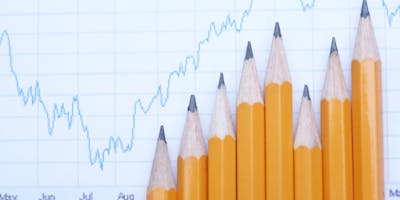
In today's educational landscape, the allure of data is undeniable.We're often presented with sophisticated platforms promising to illuminate student progress, identify needs, and drive better outcomes.
While the intention is noble – to empower educators and support every student – the sheer volume and nature of the data we collect can sometimes lead us astray.
This article explores the critical need to re-evaluate what we measure in education, moving beyond narrow metrics to foster genuine understanding and holistic student development.
We'll delve into the challenges of data overload, the pitfalls of "teaching to the test," and propose a more meaningful approach to assessment that truly serves our students and teachers.
The Data Deluge: Navigating the Information Overload
The modern educational environment is awash in data.From standardized test scores to formative assessments, digital learning platform analytics, and behavioral tracking, the sheer quantity of information can be overwhelming.
While data offers a powerful lens through which to view educational trends and individual student needs, its utility diminishes when it becomes a burden rather than a tool.
Many teachers find themselves drowning in spreadsheets and reports, spending valuable time deciphering numbers rather than engaging in direct instruction or personalized support.
This deluge can lead to burnout, anxiety, and a sense of inadequacy, even among the most dedicated educators.
The Pressure of Performance Metrics
A significant driver of this data overload is the emphasis on standardized testing and quantifiable outcomes.Schools are often evaluated based on metrics like reading and math proficiency, which, while important, represent only a fraction of a student's overall capabilities and growth.
When these scores become the primary measure of success, they can inadvertently narrow the curriculum and shift the focus from deep learning to test preparation.
Teachers may feel pressured to "teach to the test," sacrificing pedagogical approaches that foster critical thinking, creativity, and a genuine love of learning.
This can lead to a situation where students perform well on assessments but lack the deeper understanding and transferable skills necessary for future success.
When Data Becomes a Distraction
The intention behind collecting data is often to identify students who require additional support.However, the process of analyzing this data, holding meetings to discuss it, and then attempting to implement interventions can become incredibly time-consuming.
For teachers, this can mean sacrificing precious planning and preparation time, further exacerbating the feeling of being overwhelmed.
The data might confirm what a teacher already suspects about a student, but it doesn't always provide actionable insights or practical strategies for effective intervention.
This disconnect between data collection and meaningful action can lead to frustration and a sense that the system is more focused on reporting than on genuine student support.
The Perils of Narrow Measurement: Beyond the Score
The current reliance on standardized tests and narrow performance indicators presents a significant challenge to fostering a truly holistic educational experience.What we choose to measure profoundly influences what we prioritize in teaching and learning.
When the primary focus is on easily quantifiable metrics, other crucial aspects of student development can be overlooked or undervalued.
The "Teaching to the Test" Dilemma
Many educational systems are built around the idea of standardized assessments that measure specific skills in subjects like reading and mathematics.While these assessments can provide a snapshot of student achievement, they often fail to capture the full spectrum of a student's abilities.
When schools and teachers are heavily incentivized by these scores, there's a natural inclination to tailor instruction to the demands of the test.
This can lead to a curriculum that prioritizes rote memorization and test-taking strategies over conceptual understanding and the development of critical thinking skills.
For students in diverse learning environments, such as multi-age classrooms that follow a non-linear curriculum, this can create a disconnect between what they are learning and what is being assessed, leading to potentially misleading results.
What About Flourishing?
Beyond academic achievement, students possess a wealth of other qualities that contribute to their success and well-being.These include their curiosity, resilience, creativity, collaboration skills, and emotional intelligence.
However, these attributes are often difficult to quantify and are therefore less likely to be the focus of traditional data collection.
The question arises: are we missing crucial indicators of student success by not measuring these vital aspects of their development?
Imagine a world where we could effectively measure student happiness, engagement, or their capacity for innovation.
Such metrics, if developed thoughtfully, could provide a more comprehensive picture of what it means for a student to truly flourish.
Cultivating Meaningful Measurement: A Path Forward
The challenge lies not in eliminating data from education, but in transforming how we collect, interpret, and utilize it.The goal should be to create systems that support deep learning, foster student well-being, and empower educators.
This requires a shift in perspective, moving from a data-driven approach to a data-informed one, where human judgment and pedagogical expertise remain at the forefront.
The Teacher as Observer: Empowering Professional Wisdom
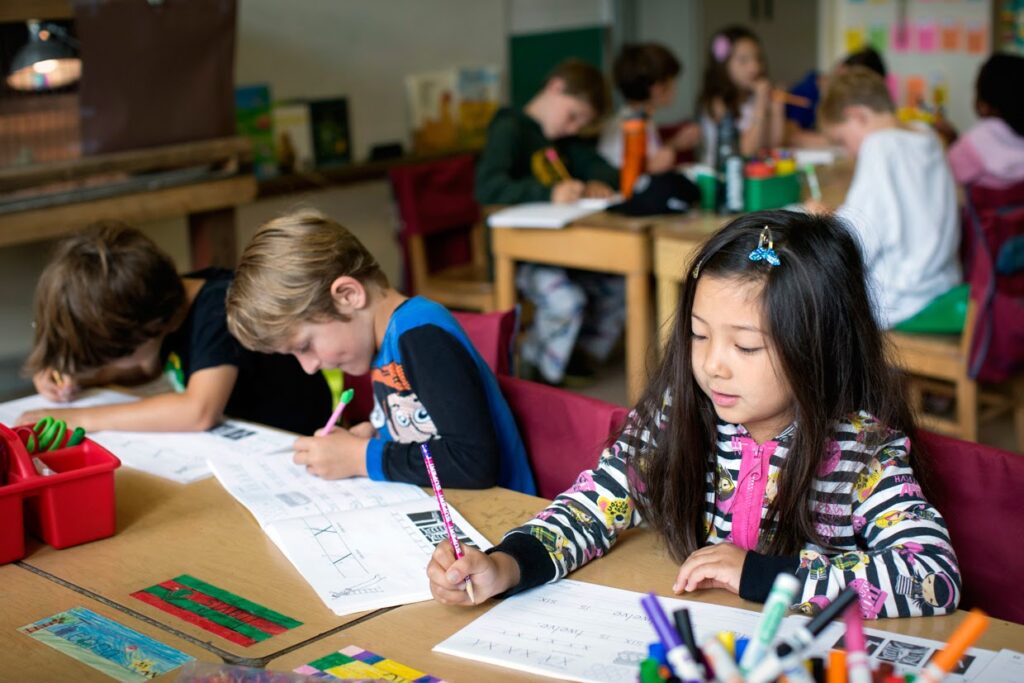
In many progressive educational philosophies, the teacher is viewed as a keen observer, meticulously documenting student engagement, interests, and readiness for new challenges.This qualitative data, gathered through careful observation and interaction, can be incredibly rich and insightful.
When teachers are given the time and space to collect and analyze data that is meaningful to their practice and directly connected to their students, they can gain a deeper understanding of individual needs and learning styles.
This approach acknowledges that each student is unique and that a one-size-fits-all measurement system will always fall short.
Beyond Standardization: Embracing Variation
It's crucial to remember that human development is inherently varied.There is no single metric on which all students will perform identically.
Embracing this variation is essential for creating an equitable and effective learning environment.
Instead of striving for uniform outcomes, we should focus on providing personalized pathways for growth and development.
Data can be a powerful tool in this endeavor, helping educators identify individual strengths and areas for growth, and then tailoring support accordingly.
The key is to use data as a guide, informing our decisions without dictating them, and always prioritizing the individual needs of each student.
Data as a Guide, Not a Governor
Ultimately, the role of data in education should be to inform and guide, not to govern or dictate.Administrators have a vital responsibility to create systems that leverage data effectively while simultaneously protecting teachers and students from the distractions and distortions that can undermine the core mission of learning and growth.
When data serves as a compass, pointing towards areas of opportunity and need, it can empower educators to make more informed decisions, foster a more supportive learning environment, and ensure that every student has the chance to reach their full potential.
Striking this balance allows us to honor the complexity of childhood and the invaluable expertise of the educators who know our students best.




 Explore AI Teaching Tools
Comments (0)
Please login to comment
No comments yet
Be the first to comment on this article