
Government Weighs Broadening Free Education Access to Private Institutions
A significant shift in higher education policy is on the horizon, as officials explore extending a popular free education initiative beyond traditional public universities. The move could unlock opportunities for thousands of students currently enrolled in private institutions, particularly those with financial constraints.
The National Higher Education Fund Corporation (PTPTN) has long been a cornerstone of educational access in the nation, primarily supporting students pursuing degrees at public universities. Now, the Ministry of Higher Education is actively considering a proposal to include eligible students at certain private higher education institutions within this vital support system.
Bridging the Gap for Underserved Students
The core of this potential expansion lies in a commitment to inclusivity. Discussions at the ministry level highlight a recognition that not all students at private institutions come from affluent backgrounds. Many are enrolled in state government-owned universities, which, despite their classification as private entities, serve a diverse student population.
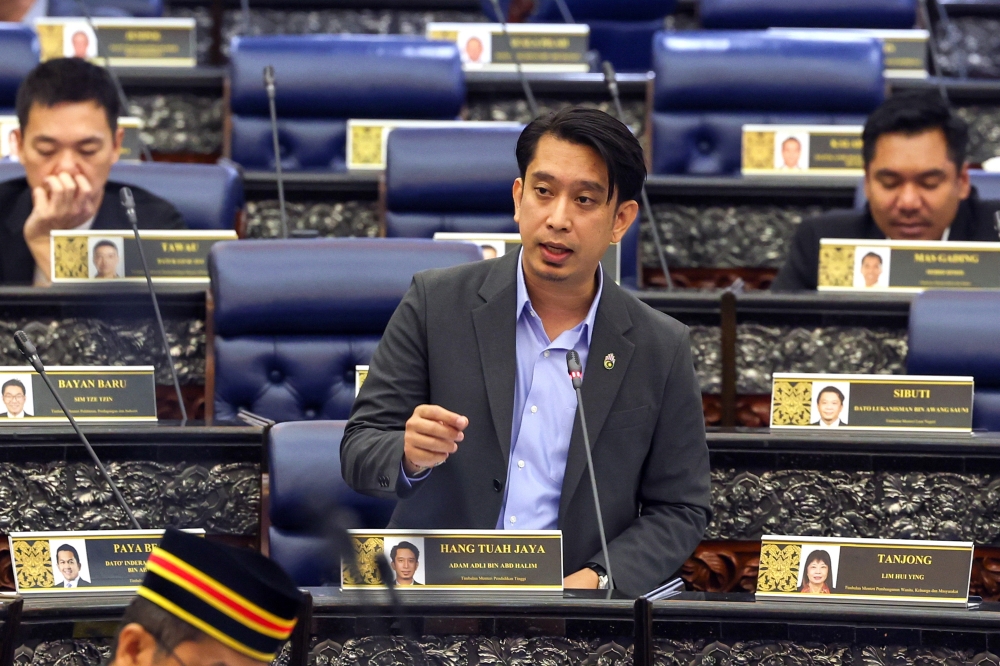
Deputy Minister of Higher Education Adam Adli Abd Halim emphasized this point, stating that the ministry cannot overlook the financial realities faced by students in these settings. The goal is to ensure that financial need, rather than institutional affiliation, becomes the primary determinant for accessing educational support.
This initiative, particularly the Anak eKasih Scholarship, aims to provide a crucial lifeline. By extending its reach, the government hopes to create a more equitable landscape for higher education, ensuring that talent and potential are not stifled by economic circumstances.
Navigating Fiscal Realities
While the intention to broaden access is clear, the practical implementation requires careful consideration of the nation's fiscal position. The current expenditure for existing educational initiatives is substantial, and any expansion necessitates a thorough review of available resources.
Officials acknowledge the significant financial commitment involved. However, there is a strong resolve to explore all avenues to make this expansion a reality. The focus remains on finding a sustainable path forward that balances the desire for wider educational access with fiscal responsibility.
The commitment to doing their utmost to extend this initiative to eligible students at private universities in the future underscores the seriousness of these deliberations. It signals a proactive approach to addressing evolving needs within the education sector.
Ensuring Transparency and Fair Distribution
As discussions about expanding the free education initiative gain momentum, robust mechanisms for ensuring transparency and fairness are paramount. The ministry is keen to guarantee that government funds reach the intended beneficiaries without duplication or misuse.
A key aspect of the current PTPTN free education program for underprivileged students involves strict eligibility criteria. Recipients are prohibited from simultaneously accepting study sponsorships from multiple sources. This rule is designed to maximize the impact of government aid and ensure it benefits those who genuinely qualify.
Each application undergoes a rigorous cross-checking process. This involves verifying data against existing records, including those from the eKasih program and other major sponsoring agencies. This meticulous screening ensures that only truly eligible students receive scholarship or free education offers.
Tightening the Net on Eligibility
The screening procedures have been significantly enhanced to prevent any breaches. The ministry is committed to maintaining the integrity of the program and ensuring that public funds are utilized effectively.
Furthermore, sponsorship is subject to immediate termination if any recipient is found to have violated the terms and conditions or submitted fraudulent documentation. This strict enforcement reinforces the importance of honesty and adherence to program guidelines.
The ongoing efforts to refine these oversight mechanisms reflect a dedication to responsible stewardship of educational resources. The ultimate aim is to create a system that is both supportive of students and accountable to taxpayers, fostering a more inclusive and effective higher education ecosystem for all.







 Explore AI Teaching Tools
Comments (0)
Please login to comment
No comments yet
Be the first to comment on this article