
Bridging the Gap: Guiding Young Learners from Education to Thriving Careers
The transition from the structured environment of education to the dynamic world of careers can feel like navigating a complex maze for many young individuals.Even the most motivated students often grapple with connecting their classroom experiences to tangible, real-world professional opportunities.
This disconnect isn't just a minor inconvenience; it represents a significant hurdle in a rapidly evolving economic landscape that demands specialized skills and adaptability.
Fortunately, innovative approaches and dedicated platforms are emerging to provide the essential guidance this generation needs to build successful futures.
The Evolving Landscape of Career Readiness
The traditional educational model, while foundational, often falls short in preparing students for the nuanced realities of the modern job market.Studies indicate that a concerningly small percentage of high school graduates feel fully equipped to make crucial life-after-graduation decisions.
This sentiment underscores a critical need for more robust career exploration and preparation within educational frameworks.
The labor market is increasingly opaque, with many desirable positions filled through informal networks and referrals, resources that are not readily accessible to all young people.
This reliance on serendipity rather than structured guidance leaves many attempting to launch their careers through sheer guesswork, impacting not only individual potential but also broader economic competitiveness.
The Skills Mismatch: A Growing Concern
Research consistently highlights a significant skills gap.A substantial number of employers report challenges in filling entry-level roles, often due to a lack of essential skills among applicants.
Simultaneously, a notable proportion of recent graduates find themselves underemployed, working in positions that do not fully utilize their acquired education.
This clear evidence points to a disconnect between the degrees being earned and the actual demands of available jobs.
Factors such as post-pandemic shifts in student engagement and an increased employer focus on skills-based hiring, coupled with the rise of automation, have permanently altered the employment terrain.
Creating Intentional Pathways to Professional Success
Addressing this challenge requires a fundamental shift from reactive hiring practices to the proactive creation of well-defined career pathways.There is a growing consensus among educators, policymakers, and industry leaders that a stronger alignment between K-12 education and workforce needs is paramount.
Investing in comprehensive career navigation and robust employer engagement systems presents a critical opportunity to bridge this divide.
Many forward-thinking states and organizations are already pioneering effective models that demonstrate what is possible when collaboration and innovation take center stage.
Innovative Models in Action
Several states are leading the way by implementing initiatives that celebrate diverse career aspirations.For instance, programs that honor students choosing paths in STEM, regardless of whether they pursue a four-year degree, a two-year program, or an apprenticeship, highlight the multifaceted nature of valuable career trajectories.
These initiatives recognize that higher education is one of many significant pathways, not the sole determinant of success.
Virtual Engagement and Real-World Connections
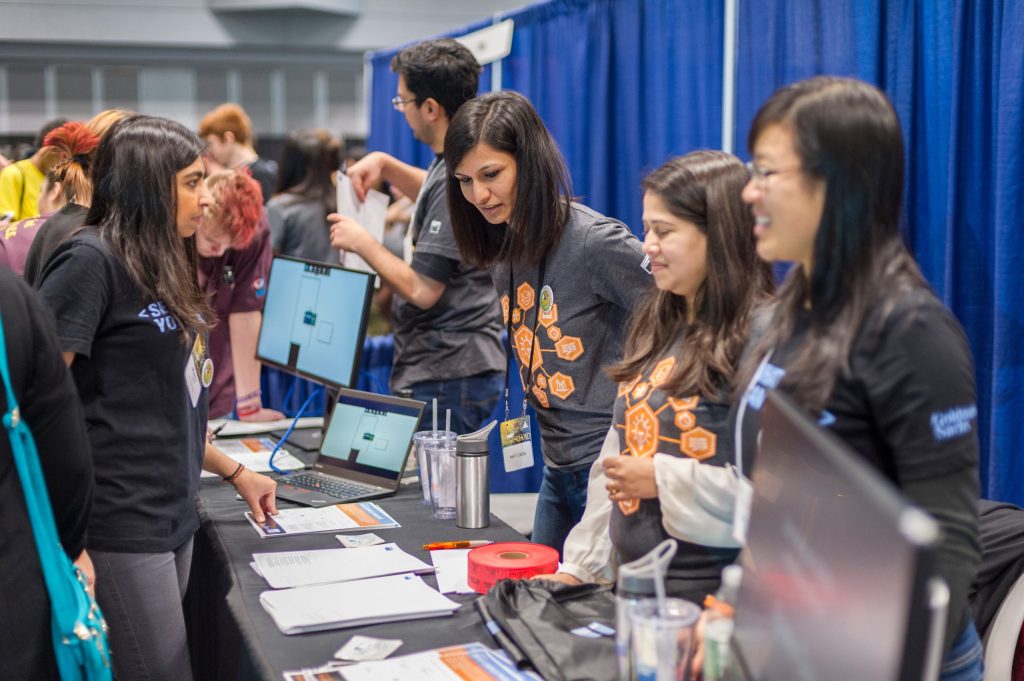
Forward-thinking programs are facilitating thousands of virtual interactions between students and industry professionals.These conversations are instrumental in helping young people understand the tangible connections between the skills they develop in the classroom and their potential career outcomes.
This model, which effectively combines digital scalability with localized relevance, offers a replicable blueprint for success.
Leveraging Technology for career development
Dedicated career development platforms are playing an increasingly vital role.These platforms power numerous virtual employer events and digital campaigns annually, ranging from regional showcases to national hiring days.
Through strategic partnerships, these platforms have demonstrably helped young individuals secure job interviews, land internships, and earn recognized credentials, thereby demystifying the path from education to employment.
State-Level Initiatives Driving Change
Other states are actively forging new avenues to connect educational attainment with employment opportunities.Programs designed to incentivize employer involvement in high school career navigation and to align funding with skills-based training are proving highly effective.
These initiatives underscore a commitment to creating more direct and relevant pathways for students.
The Economic and Social Imperative of Career Alignment
The consequences of career misalignment extend far beyond individual frustration; they create ripple effects throughout the economy.The disconnection of young people from meaningful employment can result in significant costs to taxpayers through government expenditures and lost tax revenue.
Therefore, closing this gap is not only a moral obligation but also a sound economic strategy.
The Role of Technology in Informed Decision-Making
Technology is emerging as a powerful ally in empowering students to make more informed decisions about their futures.By providing access to data, resources, and virtual experiences, digital tools can significantly enhance career exploration and planning.
Overcoming Obstacles to Progress
Despite the clear benefits and emerging successes, real obstacles persist.Resource constraints, outdated educational mindsets, and legacy policies can often impede progress.
However, successful states, communities, and technological platforms are proving that it is entirely possible to build flexible and sustainable models.
This is achieved when educational institutions, employers, and local leaders unite around shared objectives, fostering coordinated investment, public-private alignment, and bold leadership.
Building a Future of Opportunity: The Mentofy Advantage
The stakes for this generation are incredibly high.They are eager and ready to embark on their professional journeys, but they require the right tools and guidance.
This means providing better data, cultivating stronger professional networks, and illuminating clearer paths forward.
At Mentofy, we are committed to transforming this landscape by replacing chance with strategy and confusion with opportunity.
Empowering Students with Smarter Systems
Through intelligent systems and enhanced collaboration, Mentofy empowers more young people to build fulfilling careers and meet the evolving demands of the global economy.We believe in providing students with the resources and support they need to navigate their educational journeys with confidence, knowing that a clear and achievable path to their desired careers awaits them.
Our platform is designed to foster a generation that is not only educated but also exceptionally prepared for the challenges and opportunities of the professional world.





 Explore AI Teaching Tools
Comments (0)
Please login to comment
No comments yet
Be the first to comment on this article