
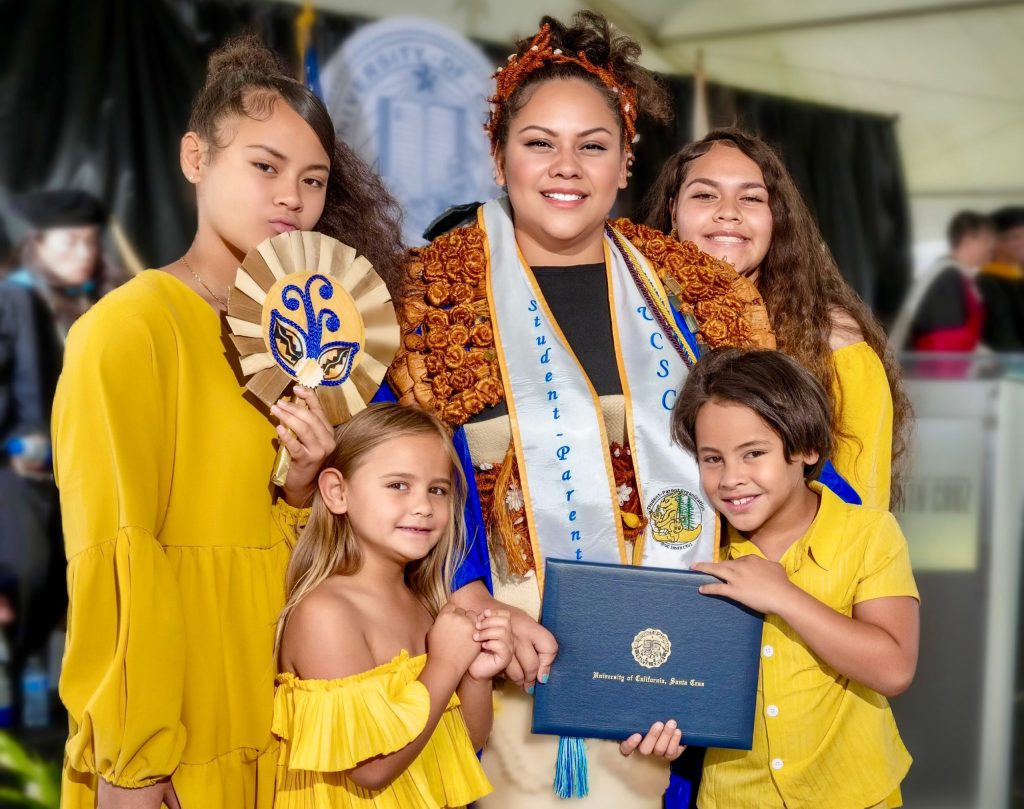
Empowering Student-Parents: Building Inclusive Higher Education for Families
The pursuit of higher education is a transformative journey, often seen as an individual endeavor.However, for millions of student-parents, this path is intricately woven with the lives and well-being of their children.
This article explores the unique challenges and profound triumphs of student-parents, advocating for educational institutions to embrace their presence and actively foster environments where both the student and their family can thrive.
We will delve into the critical need for institutional support, the impact of education on the entire family unit, and the power of advocacy in reshaping the landscape of higher learning for this vital demographic.
The Unseen Majority: Student-Parents in Higher Education
Across the nation, a significant and often overlooked population of individuals are striving for academic excellence while simultaneously navigating the responsibilities of parenthood.These student-parents, numbering in the millions, represent a diverse group with unique needs and aspirations.
Their decision to pursue higher education is not merely a personal ambition; it is frequently a strategic investment in the future of their entire family, aiming to unlock intergenerational benefits and create new opportunities.
Despite their dedication, many campuses are not inherently designed to accommodate the complex realities of their lives, presenting substantial hurdles that can impede their progress and even lead to attrition.
Understanding that these students are not just individuals but integral parts of family units is the first step towards creating truly supportive educational ecosystems.
The Intergenerational Impact of Education
When a student-parent earns a degree, the ripple effect extends far beyond their personal achievement.Studies indicate that children of college-educated parents are more likely to pursue higher education themselves, breaking cycles of limited opportunity and fostering a culture of lifelong learning within the family.
This educational attainment can lead to improved economic stability, better health outcomes, and enhanced social mobility for subsequent generations.
Therefore, investing in the success of student-parents is an investment in the future well-being and prosperity of entire families and communities.
They are not just students; they are catalysts for positive change.
Navigating the Labyrinth: Challenges Faced by Student-Parents
The journey through higher education for student-parents is often fraught with obstacles that extend beyond academic rigor.The very structure of traditional college life can present significant challenges, from inflexible class schedules that clash with childcare needs to a lack of affordable on-campus housing equipped for families.
The emotional and social toll can also be substantial, as student-parents may feel isolated from their peers who do not share similar responsibilities, and their children may experience disruptions to their routines and social networks.
The Balancing Act: Time, Finances, and Emotional Well-being
Student-parents are perpetually engaged in a delicate balancing act.They must meticulously manage their time, allocating precious hours to coursework, study, part-time jobs, and the myriad demands of raising children.
Financial pressures are often amplified, as they strive to cover tuition, living expenses, and the costs associated with childcare.
This constant juggling can lead to significant stress and burnout, impacting their mental and emotional well-being.
The sacrifices made by both the student-parent and their family are profound, underscoring the need for institutions to acknowledge and actively mitigate these pressures.
The Invisible Student: Lack of Institutional Recognition
A pervasive issue is the lack of institutional recognition and accommodation for student-parents.Many universities and colleges operate under the assumption that their students are young adults without significant family obligations.
This oversight can manifest in various ways, from the absence of family-friendly facilities to policies that inadvertently penalize students with caregiving responsibilities.
The emotional impact of feeling invisible or undervalued can be demoralizing, undermining a student's motivation and sense of belonging.
They are present, they are contributing, and their needs must be seen and addressed.
Building Bridges: Creating Inclusive Campus Environments
The path to a more inclusive higher education system for student-parents requires a fundamental shift in institutional philosophy and practice.It necessitates a proactive approach that moves beyond mere acknowledgment to active integration and support.
Colleges and universities that truly embrace student-parents will recognize the unique value they bring and implement policies and programs that foster their success, ensuring that their children are also considered integral members of the campus community.
Rethinking Campus Spaces and Services
Institutions can begin by critically evaluating their physical spaces and available services.This includes providing accessible and affordable on-campus childcare facilities, offering flexible housing options designed for families, and ensuring that campus buildings are welcoming and safe for children.
Furthermore, academic departments can explore more adaptable scheduling options, such as a wider range of evening or weekend classes, and consider the implementation of robust online learning platforms that offer greater flexibility.
These adjustments demonstrate a tangible commitment to supporting the entire family unit.
Fostering a Culture of Belonging and Support
Beyond tangible resources, cultivating a culture of belonging is paramount.This involves training faculty and staff to be sensitive to the needs of student-parents, establishing mentorship programs that connect them with peers and experienced faculty, and creating dedicated student support services that understand their unique challenges.
Student organizations focused on supporting parents can play a crucial role in building community and advocating for change.
When students feel seen, understood, and supported, their resilience and commitment to their education are significantly enhanced.
The Power of Advocacy: Transforming Policies and Perceptions
The experiences of student-parents often highlight systemic inequities that require dedicated advocacy to address.When institutions fail to adequately support these students, it is often through collective action and persistent advocacy that meaningful change is achieved.
The stories of student-parents who have fought for recognition and inclusion serve as powerful testaments to the impact of their voices and the importance of their continued efforts.
From Exclusion to Inclusion: Personal Stories of Triumph
The journey of a student-parent to graduation can be a testament to resilience and the power of family.For many, the desire to walk across the graduation stage with their children is a deeply symbolic act, representing a shared sacrifice and a collective achievement.
When institutions initially resist such requests, citing logistical challenges, it underscores a disconnect between institutional policy and the lived realities of these students.
However, through organized advocacy, student-parents have successfully challenged these barriers, leading to policy changes that allow families to celebrate these milestones together.
These victories are not just personal; they pave the way for future generations of student-parents.
Institutional Accountability and Future Directions
The momentum generated by student-parent advocacy is crucial for driving institutional accountability.Universities and colleges must be held accountable for creating equitable environments that serve all students, including those with families.
This means actively listening to the concerns of student-parents, implementing their feedback, and continuously evaluating the effectiveness of support programs.
The goal is to move beyond reactive measures to proactive planning, ensuring that the needs of student-parents are integrated into the fabric of higher education from the outset.
They are not an afterthought; they are an integral part of the educational landscape.
Conclusion
The presence of student-parents on college campuses is not an anomaly but a vital component of a diverse and dynamic higher education system.Their pursuit of knowledge, coupled with their dedication to their families, enriches the academic community and fosters intergenerational progress.
By embracing inclusive policies, providing comprehensive support services, and actively listening to the voices of student-parents, educational institutions can transform their campuses into environments where both students and their children can flourish.
The journey of a student-parent is a testament to perseverance, sacrifice, and the profound belief in the power of education to shape a brighter future for their entire family.
Mentofy is committed to supporting learners at all stages of their educational journey, recognizing the unique paths and challenges faced by every student.







 Explore AI Teaching Tools
Comments (0)
Please login to comment
No comments yet
Be the first to comment on this article