
The Nursing Shortage Crisis: Why Demand Outstrips Supply in Nursing Education
The healthcare landscape is facing a critical challenge: an ever-increasing demand for skilled nursing professionals, yet a significant bottleneck in educational capacity.Many aspiring nurses find themselves navigating a highly competitive and often frustrating path to enter the profession.
This article delves into the multifaceted reasons behind this paradox, exploring the obstacles that prevent nursing schools from meeting the surging need for qualified practitioners and what can be done to address this vital issue.
The Unprecedented Demand for Nursing Talent
The call for nurses has never been louder.Factors such as an aging population requiring more complex care, a significant number of experienced nurses nearing retirement, and the ongoing strain on healthcare systems contribute to an unprecedented demand for nursing professionals.
This creates a robust job market with excellent career prospects, often leading to competitive salaries, making nursing an attractive career choice for many students.
However, the pathway to becoming a registered nurse is far from guaranteed, with many qualified individuals facing rejection from nursing programs.
This intense competition highlights the stark reality of limited educational opportunities versus immense career aspirations.
The Personal Journey: A Glimpse into the Struggle
The experience of individuals seeking to enter nursing programs often mirrors this broader challenge.Many students, like Oscar Mateo, are inspired by personal experiences with compassionate healthcare to pursue nursing.
However, the journey to secure a coveted spot in a nursing college can be arduous, involving multiple rejections and the need to bolster applications with certifications and work experience as a nursing assistant.
This intense competition, as Mateo noted, can be incredibly stressful and take a significant toll on aspiring students.
This personal struggle underscores the systemic issues within nursing education.
The Core Obstacles: Faculty Shortages and Clinical Placement Gaps
The primary reasons why nursing schools struggle to expand their capacity are twofold: a severe shortage of qualified faculty and a critical lack of available clinical training sites.These two interconnected issues create a significant barrier to increasing enrollment and producing the number of nurses our healthcare systems desperately need.
The Faculty Deficit: A Looming Crisis
Nursing schools require experienced educators to guide and mentor the next generation of nurses.However, many seasoned nurses are drawn to the higher salaries and less demanding schedules offered in clinical practice, leaving a void in academia.
This shortage of faculty means that even if schools had the physical space and resources for more students, they wouldn't have enough qualified instructors to provide the necessary education and supervision.
This creates a vicious cycle where the lack of faculty limits program expansion, further exacerbating the nursing shortage.
The Clinical Placement Conundrum: A Necessary Hurdle
A cornerstone of nursing education involves hands-on clinical experience, where students apply theoretical knowledge in real-world healthcare settings under the supervision of experienced nurses.State regulations often mandate a minimum number of supervised patient care hours for students to graduate and become eligible for licensure.
Unfortunately, the availability of these crucial clinical placement sites in hospitals and healthcare facilities has not kept pace with the growing number of nursing students.
- Denied Placements: Many nursing programs report a high percentage of denied requests for clinical placements, leaving students without essential practical training.
- Overburdened Staff: Existing hospital staff nurses are often stretched thin, making it difficult for them to take on the additional responsibility of supervising students.
- Withdrawal of Sites: Some healthcare facilities have even withdrawn previously offered clinical spots, sometimes with little notice, forcing nursing colleges to scramble for alternatives.
The State of Play: California's Nursing Education Landscape
California, like many other states, is grappling intensely with this nursing shortage.The state's nursing board data reveals a stark reality: a significant majority of qualified applicants are turned away from nursing programs each year due to capacity limitations.
This situation has prompted state-level investigations, legislative proposals, and funding initiatives aimed at bolstering nursing education.
The Numbers Don't Lie: Statistics on Rejected Applicants
The statistics paint a clear picture of the demand-supply imbalance.In California, only about one-third of qualified nursing school applications were accepted in a recent year.
Nationwide, tens of thousands of qualified applicants for bachelor's and graduate nursing programs were similarly denied admission.
Projections indicate a substantial shortfall of working nurses in California for years to come, affecting both registered nurses and licensed vocational nurses.
The Clinical Placement Bottleneck in California
In California, the requirement for a substantial number of direct patient care hours under supervision is a critical factor.When hospitals and healthcare facilities cannot provide these essential training opportunities, nursing programs are severely hampered in their ability to expand.
Reports indicate that a significant percentage of California's nursing school programs cite a lack of clinical placements as their primary obstacle to increasing enrollment.
This has led to intense competition for the available slots, with some institutions losing placements unexpectedly, creating chaos for program planning and student progression.
Navigating the System: Public vs.
Private Nursing Institutions The competition for limited resources, particularly clinical placements, has also ignited tensions between public and private nursing schools.
Both sectors are vying for the necessary facilities to train their students, leading to differing perspectives on resource allocation and program expansion.
The Public Institution's Argument: Affordability and Access
Public nursing colleges often emphasize their role in providing high-quality, affordable nursing education.They argue that their programs serve a diverse student population, including many first-generation students and those from underrepresented backgrounds, and that these graduates are more likely to provide culturally sensitive care to the state's diverse communities.
The significantly lower tuition costs at public institutions make nursing careers accessible to a broader segment of the population.
The Private Institution's Perspective: Flexibility and Expansion
Private nursing schools, while often more expensive, may offer greater flexibility in program structure and a higher admission rate.Some private institutions have sought to expand their offerings, but have faced opposition from public institutions concerned about the impact on existing clinical site availability and the potential for increased faculty burnout.
The debate often centers on fairness and equitable access to the limited clinical training resources.
The "Pay-to-Play" Controversy
Allegations and reports of some colleges providing "financial support" to secure clinical placements have further complicated the issue.While legislation has been enacted to ban such "pay-to-play" schemes, concerns remain about the enforceability and clarity of these regulations, particularly regarding indirect forms of financial support.
Innovative Solutions: Technology and Policy Interventions
Addressing the nursing shortage requires a multi-pronged approach, involving innovative educational strategies and supportive policy interventions.Leveraging Technology in Nursing Education
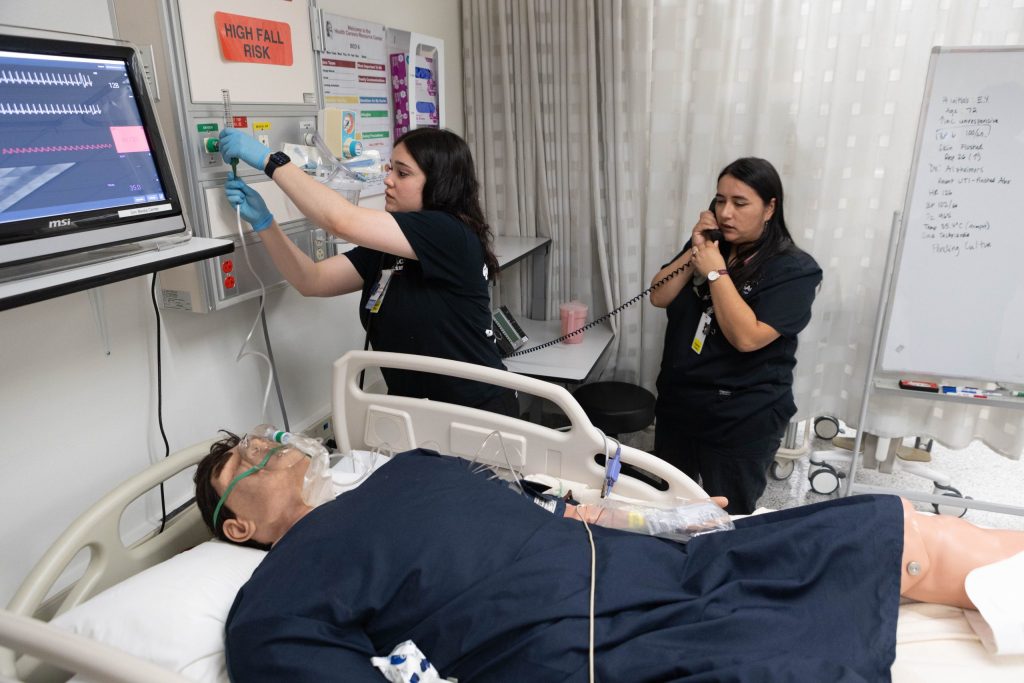
Recognizing the limitations of traditional clinical placements, many nursing schools are exploring the expanded use of technology.High-fidelity simulation manikins, virtual reality (VR), and augmented reality (AR) offer immersive and interactive learning environments.
These tools allow students to practice diagnosing and treating a wide range of medical conditions, from simulated heart attacks to complex patient scenarios, in a safe and controlled setting.
- Realistic Simulations: Advanced mannequins can mimic vital signs, respond to interventions, and even simulate childbirth, providing realistic practice opportunities.
- Virtual Environments: VR and AR can create virtual hospital wards or patient rooms, allowing students to practice assessments, communication, and critical thinking skills.
- Low-Stakes Practice: These technologies provide a low-stakes environment for students to make mistakes, learn from them, and build confidence before working with real patients.
Policy and Financial Incentives
Governments and professional organizations are implementing various policies and incentives to alleviate the nursing shortage.- Grant Programs: Funding initiatives, such as grant programs for community college nursing programs, aim to expand educational capacity.
- Mandated Collaboration: Legislation requiring healthcare facilities to work in good faith with educational institutions to meet clinical placement needs is a step towards ensuring access.
- Financial Incentives for Mentors: Some states offer tax credits or grants to healthcare professionals who mentor nursing students, encouraging participation in clinical training.
- Federal Legislation: Proposed federal legislation aims to provide tax credits to nurses who dedicate significant hours to clinical training, further incentivizing their involvement.
The Human Element: The Irreplaceable Value of Direct Patient Care
Despite the advancements in simulation technology, the importance of direct patient interaction remains paramount.Nursing students need to develop empathy, communication skills, and the ability to build trust with patients, especially during their most vulnerable moments.
While technology can simulate many aspects of care, it cannot fully replicate the complex emotional and interpersonal dynamics of the nurse-patient relationship.
Building Trust and Connection
Experience with real patients is crucial for learning how to connect with individuals on a human level.This involves understanding non-verbal cues, responding to emotional needs, and establishing a rapport that fosters trust and cooperation.
These are skills that are best honed through genuine human interaction.
Conclusion: A Collective Effort for a Healthier Future
The nursing shortage is a complex issue with deep roots in educational capacity limitations, faculty shortages, and the critical need for clinical placements.Addressing this crisis requires a concerted effort from educational institutions, healthcare providers, policymakers, and the broader community.
By embracing innovative technologies, implementing supportive policies, and fostering collaboration between public and private sectors, we can work towards expanding nursing education, ensuring a robust pipeline of skilled and compassionate nurses to meet the growing healthcare needs of our society.
The future of healthcare depends on our ability to effectively train and support the next generation of nursing professionals.





 Explore AI Teaching Tools
Comments (0)
Please login to comment
No comments yet
Be the first to comment on this article