
Empowering Young Voices: How Students Are Shaping the Future of Education in Oakland and Beyond
The landscape of educational governance is undergoing a seismic shift, with young learners increasingly demanding a seat at the decision-making table.This article delves into the groundbreaking initiatives where students, particularly in Oakland, are actively participating in school board elections, offering a powerful testament to the principle of "nothing about us without us." Discover how this evolving democratic process is not only empowering students but also poised to revolutionize educational strategies for the better.
The Dawn of Youth Suffrage in School Governance
Historically, the electorate for school board positions has been predominantly adult, often comprised of parents or concerned citizens.
However, recent pioneering efforts, notably in Oakland and Berkeley, California, have shattered this norm by extending voting rights to 16 and 17-year-old students.
This monumental change, the culmination of years of dedicated youth organizing and advocacy, signifies a profound recognition of the direct stake young people have in the institutions that shape their formative years.
The movement, driven by students themselves, successfully lobbied city councils to place measures on the ballot, culminating in the historic enfranchisement of these younger candidates for the attention of voters.
The journey to this point has been a testament to the power of persistent advocacy.
In Berkeley, the groundwork was laid in 2017, with Oakland following suit in 2020.
These legislative victories were not handed down; they were earned through tireless efforts by young individuals who understood the critical need for their perspectives to be heard.
The implementation of these changes, while taking time, underscores a growing awareness among policymakers that the voices of those most affected by educational policies are invaluable.
Why Student Involvement is Crucial for Educational Advancement
The initial skepticism surrounding the idea of teenagers actively engaging in school board politics is understandable.
School board meetings can often be perceived as dry, technical affairs, primarily capturing public attention during periods of significant controversy.
The assumption that young people would lack the interest or capacity to engage meaningfully seemed logical to some.
However, firsthand observations and the experiences of candidates vying for student votes paint a starkly different picture.
Research consistently indicates that early engagement in democratic processes fosters a lifelong commitment to civic participation.
When young people are given the opportunity to influence the institutions that profoundly impact their daily lives – the very schools they attend – they are more likely to develop a vested interest in their communities and governance.
This is particularly true for educational institutions, where students possess an intimate, firsthand understanding of the challenges and opportunities within their school environments.
Their daily experiences provide a unique and often overlooked perspective that can inform more effective and relevant educational policies.
Furthermore, the principle of "nothing about us without us" resonates deeply within the student community.
For too long, decisions impacting students have been made by adults who may no longer be actively involved in the day-to-day realities of the school system.
This disconnect can lead to policies that are out of touch with the actual needs and aspirations of the student body.
Empowering students to participate directly addresses this gap, ensuring that educational strategies are developed with a comprehensive understanding of the student experience.
The Impact of Student-Led Forums: Candidates Under Scrutiny
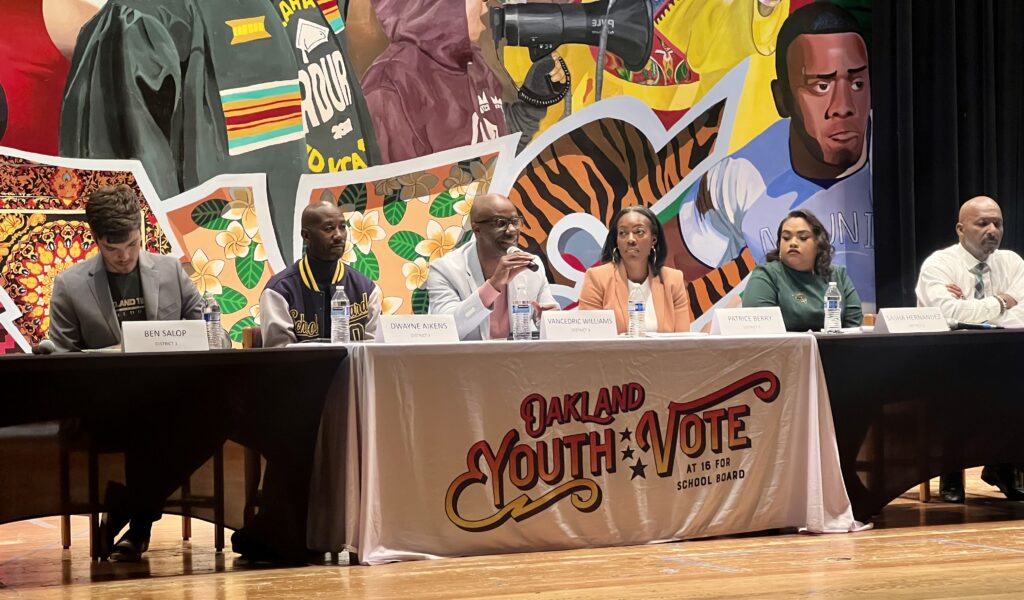
A pivotal moment in understanding the potential of youth engagement was observed at a student-organized school board candidates' forum in Oakland.
This event, far from being a passive gathering, was a dynamic and engaging interrogation of those seeking to represent the community's educational interests.
The forum saw the participation of six out of seven candidates, a strong indicator of the recognition of the student vote's significance.
Approximately 200 students attended, with many remaining until the conclusion of the lengthy session, demonstrating remarkable dedication and interest.
The students' preparedness was evident in their organized approach.
Many wore T-shirts emblazoned with powerful slogans like "My Vote Will Make History" and "Nothing About Us Without Us," clearly articulating their purpose and the historical context of their participation.
Candidates were given strict time limits to respond to questions, projected visually for all to see.
This structured format ensured that each candidate addressed the issues directly and concisely, preventing the discourse from becoming unfocused.
The students' ability to manage the proceedings with such efficiency and seriousness, without resorting to patronizing tones, was particularly impressive.
This level of engagement suggests that these young voters are potentially more informed about current school concerns than many adult voters.
While adults may have a general awareness of educational issues, their understanding can become dated, especially if they are no longer directly involved in the school system.
Students, on the other hand, are immersed in the daily realities of their schools, making their insights particularly relevant and valuable for school board candidates and elected officials.
Bridging the Gap: Student Insights vs.
Adult Perceptions
The disconnect between the lived experiences of students and the perceptions of adult decision-makers is a recurring theme in educational discourse.
As articulated by Edamevoh Ajayi, a senior at Oakland Technical High School and a leader in the youth vote project, "A lot of adults are making decisions about our schools when they're not even the ones in the school.
So they wouldn't even know what to change." This sentiment highlights a critical flaw in traditional governance models, where those most affected by decisions are often excluded from the process.
Ajayi further noted that students have historically felt unwelcome in district governance, describing it as an "adult-led space." This feeling of exclusion can breed disengagement and a sense of powerlessness.
However, the current situation in Oakland underscores the urgency of incorporating student voices.
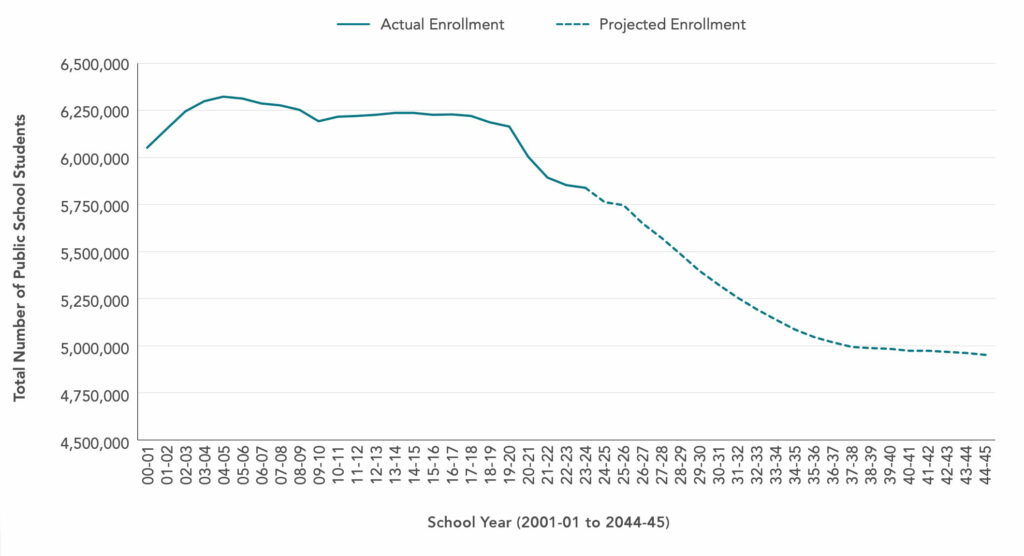
The district faces significant challenges, including declining enrollment, poor attendance rates, a substantial budget deficit, and the potential for school closures or mergers.
The looming threat of a state takeover, reminiscent of a past crisis, further emphasizes the need for innovative solutions and broader community involvement.
In such critical times, the inclusion of student perspectives is not merely a symbolic gesture; it is a strategic imperative.
Their insights can offer fresh approaches to complex problems, identify overlooked issues, and foster a sense of shared responsibility for the district's future.
The energy and commitment demonstrated by Oakland's young voters at the candidates' forum are a clear indication that they are ready and willing to contribute to finding solutions.
The Transformative Power of Youth Participation in Democracy
The benefits of involving young people in school board politics extend far beyond immediate problem-solving.
The long-term implications for democratic engagement are profound.
By participating in the electoral process and influencing the governance of their schools at an earlier age, students are more likely to become active and informed citizens throughout their lives.
This early exposure cultivates a sense of civic duty and empowers them to understand and utilize their democratic rights.
Patrice Berry, a former teacher and candidate for the Oakland school board, acknowledged the transformative impact of engaging with these young voters.
After facing students at the candidates' forum, she remarked, "They're going to make us better overall." This statement encapsulates the reciprocal nature of this initiative: while students gain a voice, the candidates and, by extension, the entire governance structure, are challenged to improve and become more responsive.
The presence of informed, engaged young voters compels candidates to be more thorough in their preparation and more authentic in their platforms.
The Oakland and Berkeley initiatives serve as powerful case studies for other communities grappling with similar educational challenges.
They demonstrate that empowering younger demographics in local governance is not only feasible but also highly beneficial.
The enthusiasm and insight displayed by these students offer a beacon of hope for revitalizing educational systems and fostering a more inclusive and effective democracy.
Conclusion: A New Era of Educational Leadership
The historic enfranchisement of 16 and 17-year-old students in Oakland and Berkeley marks a significant turning point in educational governance.
The "nothing about us without us" ethos, championed by these young leaders, is proving to be a catalyst for more informed, relevant, and effective decision-making.
The active participation of students in school board elections, as evidenced by the well-organized and impactful candidates' forums, demonstrates their capacity and commitment to shaping their educational futures.
This movement is not just about casting a vote; it's about fostering a generation of engaged citizens and ensuring that educational institutions truly serve the needs of all their stakeholders.
As more communities consider similar reforms, the experiences of Oakland and Berkeley offer a compelling blueprint for empowering young voices and building a stronger, more representative future for education.






 Explore AI Teaching Tools
Comments (0)
Please login to comment
No comments yet
Be the first to comment on this article