
Beyond the Lease: Why Some Malaysians Are Trading Rental Contracts for Hotel Rooms
The dream of homeownership, or even a stable rental, is increasingly out of reach for many. As rental prices climb and the prospect of a hefty security deposit looms large, a surprising number of Malaysians are opting for an unconventional solution: making hotels their long-term homes. This shift signals a growing frustration with traditional renting, pushing individuals to seek flexibility and affordability in unexpected places.
The Deposit Dilemma: A Barrier to Entry
For many, the most significant hurdle to securing a rental property is the upfront financial commitment. Traditional leases often demand a substantial security deposit, sometimes equivalent to several months' rent, alongside advance rental payments. This can be a crippling expense, especially for young professionals, those in transitional phases of their careers, or individuals facing unexpected financial setbacks.
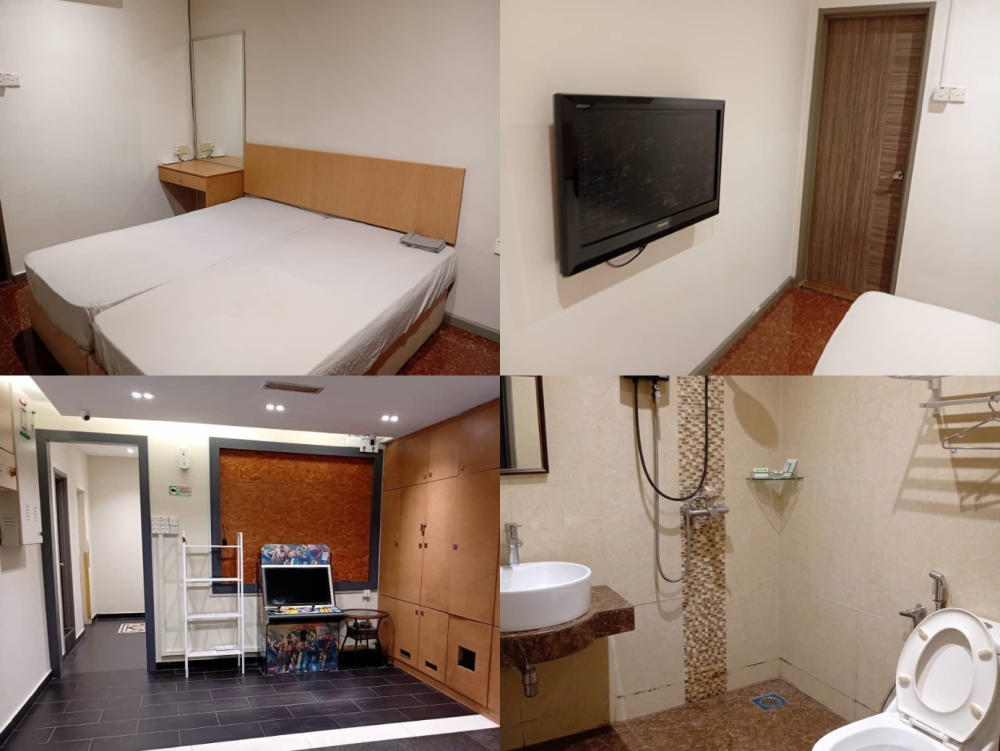
This is precisely the situation legal consultant Fareez, 38, found himself in. He opted for a year-long stay at a hotel in Danau Kota, paying RM1,150 monthly. "The biggest draw was simple: no deposit," he explained. The absence of this significant financial barrier made the decision to forgo a traditional rental straightforward.
Fareez, who was living alone and didn't require extensive living space, discovered the hotel through social media advertisements. He found the prospect of a large deposit for a house rental increasingly difficult to justify, especially after past experiences with unexpected expenses and fluctuating utility bills associated with renting a house.
At the hotel, his monthly payment was all-inclusive, covering essential utilities like Wi-Fi, electricity, and water. This predictability offered a significant advantage in financial planning, simplifying his budgeting process compared to the variable costs of a rented property.
Furthermore, the hotel provided a self-contained living arrangement, a stark contrast to shared rental rooms where tenants often have to contend with housemates and communal living. This offered a sense of privacy and independence without the long-term commitment of a rental agreement.
"One of the things I enjoy most is having access to the lounge area," Fareez shared. "It’s a comfortable space where I can relax, unwind and spend my free time without having to leave the property." He reiterated that if renting a house were more accessible and affordable, he would readily choose it, but the current rental deposit requirements are simply too prohibitive.
Flexibility and Freedom: The Hotel Advantage
Beyond cost savings, the allure of hotel living for some stems from its inherent flexibility and convenience. This was the primary driver for Su, a personal assistant who preferred to remain anonymous. Her initial foray into long-term hotel accommodation was born out of necessity after relocating to Kuching.
Strict rental regulations in her new city made securing a traditional home challenging. "I needed special guarantees to rent a property there because I was also affected by a natural disaster shortly after arriving," she recounted. The difficulty in establishing trust for a long-term rental contract left her in a precarious position.
Facing the potential of being without housing, Su saw a hotel as the most secure and readily available option. She also noted that hotels offered more immediate availability compared to homestays in the area. "At one point, I was spending around 70 per cent of my income on accommodation. It was expensive, but it gave me a roof over my head," she admitted.
Su had previously explored shared accommodation but found herself returning to hotels due to concerns about privacy. The simplicity of hotel living, free from the typical worries of tenants—utility bills, maintenance issues, deposits, and long-term contracts—was a significant draw. "For me, it doesn’t really matter where I live," she stated. "If you’re careless with money, you’ll spend a lot whether you’re renting a room or staying in a hotel. But with a hotel, you don’t have to think about housing commitments. You just pay and stay."
A Lifestyle Choice: Less Commitment, More Exploration
For Su, the appeal of hotels extends beyond mere convenience. She admitted that a significant reason for her continued preference for hotel living is the enjoyment of changing environments. Her lifestyle is further enabled by the fact that she owns a house, which she rents out to others.
"I don’t really think about renting because I already have my own property," she explained. "Staying in hotels is my choice because it means less cleaning, less maintenance and fewer commitments." Over the years, Su has experienced stays in numerous hotels, including an extended period at one establishment. She estimates that long-term hotel living can range from RM800 to RM1,500 per month, depending on the hotel and the room category.
When the Novelty Wears Off: The Downsides of Extended Stays
However, not everyone who ventures into long-term hotel living finds it to be a sustainable or desirable solution. Twenty-five-year-old telemarketing executive Puteri Nurbalqis initially saw hotel living as a cost-saving alternative to renting but ultimately found it to be less appealing than traditional housing.
Puteri spent six months at a hotel in Kuala Lumpur, paying approximately RM650 for her room and an additional RM150 for electricity. Like many others, the absence of a rental deposit was her initial motivation. "I chose to stay in a hotel instead of renting mainly because there was no deposit required," she said.
Initially, she believed it would be more economical than renting a house, but she soon realized her mistake. "There are also many foreigners staying there as well. It wasn’t really a problem for me, but sometimes the overall environment felt uncomfortable," she noted, citing thin walls that often allowed noise from neighboring rooms to be a disturbance.
The discomfort extended beyond noise. The surrounding environment negatively impacted her daily routine, making her hesitant to leave the hotel even during the day. While the hotel's location near her workplace and the city center offered commuting convenience, she felt the benefits largely stopped there.
"It did affect my lifestyle," Puteri confessed. "Most of the time after work, I would just stay in my room and relax. I wasn’t very comfortable walking around the area alone, even during the daytime, so I spent more time indoors than I normally would."
Having never rented a house before, Puteri's experience led her to believe that traditional renting would likely be a more suitable long-term option. "If renting became easier or more affordable, I would choose to rent a house or apartment because it offers more privacy, comfort and stability," she concluded.
The trend of utilizing hotels as a form of long-term living highlights a significant gap in the current housing market. While the absence of a deposit and the convenience of inclusive utilities offer immediate appeal, the long-term viability and personal well-being associated with such arrangements remain subjects of individual experience and evolving needs. As rental markets continue to fluctuate, the search for affordable and flexible living solutions will undoubtedly persist, prompting further exploration of unconventional housing options.





 Explore AI Teaching Tools
Comments (0)
Please login to comment
No comments yet
Be the first to comment on this article