
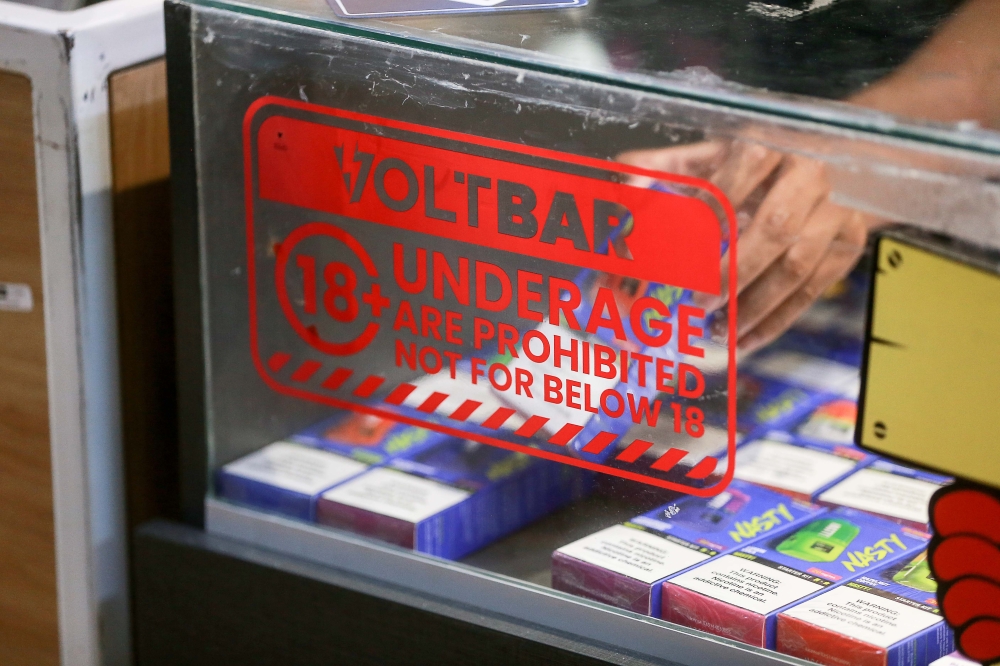
Malaysia Faces Alarming Youth Nicotine Crisis: Experts Warn of a Generation Hooked on Vapes
A silent epidemic is sweeping through Malaysia's youth, with alarming statistics revealing that children and teenagers are nine times more likely to vape than adults. Despite ongoing health awareness campaigns, the allure of nicotine and tobacco products, particularly vapes and electronic cigarettes, is ensnaring a new generation, threatening to create a future defined by addiction.
The Sweet Deception: How Flavors Mask a Dangerous Reality
The modern landscape of nicotine and tobacco consumption has shifted dramatically, with devices once marketed as cigarette alternatives now dominating the youth market. Their appeal lies in a potent combination of modern designs and an array of enticing flavors, from fruity concoctions to dessert-inspired blends.
These products are strategically designed to mask the inherent dangers of nicotine. Young consumers often believe they are simply enjoying a harmless flavored vapor, unaware of the complex chemical cocktails and the addictive nature of the substances they are inhaling. This perception is a critical component of the industry's strategy to draw in new users.
One education officer, with decades of experience in anti-smoking advocacy, has witnessed this trend firsthand. Through hundreds of talks delivered in schools and universities across Malaysia, he has observed a consistent and concerning rise in vape usage among students. The collected evidence, including numerous vape devices and flavor cartridges handed over by school administrators, paints a stark picture of the pervasive influence these products have.
Beyond Flavors: The Hidden Dangers Lurking in Vape Liquids
The deceptive marketing of vapes as safe alternatives is further complicated by disturbing findings from law enforcement. Information from the Royal Malaysia Police has revealed that many seized vape devices have been found to be laced with illicit drugs. This dual threat of nicotine addiction and potential drug abuse poses a grave risk to the health and well-being of young Malaysians.
The implications of such contamination are severe, potentially leading to intensified addiction and, in the most tragic cases, fatal overdoses. This underscores the urgent need for stringent regulation and enforcement to protect vulnerable youth from these dangerous products.
A Global Battleground: Unmasking Industry Tactics
The global community is increasingly recognizing the sophisticated strategies employed by the nicotine and tobacco industries to target young consumers. The theme of World No Tobacco Day, "Unmasking the Appeal — Countering Nicotine and Tobacco Addiction," directly addresses these tactics, urging a united front against their influence.
Industry players are leveraging advancements in chemical formulations, including synthetic nicotine and nicotine salts, to enhance the addictive potential of their products. These are often presented as innovative and modern, further appealing to a younger demographic seeking the latest trends.
The focus of global campaigns is clear: to shield adolescents, particularly those aged 13 to 15, from the pervasive marketing efforts of the nicotine industry. The goal is to dismantle the appeal of these products and prevent the normalization of nicotine use among this impressionable age group.
The Stark Reality: Global Statistics Paint a Grim Picture
The scale of the youth nicotine crisis is not confined to Malaysia. Global data reveals a staggering number of young people engaging with tobacco products. Around 40 million children aged 13 to 15 worldwide are estimated to use tobacco products, with a significant portion, 15 million, specifically using electronic cigarettes.
In certain regions, the statistics are particularly alarming, indicating that children are up to nine times more likely to vape than adults. This disparity highlights a critical failure in safeguarding the youngest members of society from the pervasive reach of the nicotine industry.
A Call to Action: Protecting Malaysia's Future Generation
In light of these escalating concerns, there is a growing consensus among health advocates and organizations that bold action is imperative. The Consumers Association of Penang (CAP) has been at the forefront of this movement, advocating for a comprehensive ban on all nicotine and tobacco products, including conventional cigarettes, vapes, electronic cigarettes, heated tobacco products, and nicotine pouches.
This strong stance is rooted in the desire to secure a future for Malaysia that is truly free from the grip of nicotine addiction. The urgency is amplified by the fact that eight other ASEAN member states – Brunei, Cambodia, Laos, Myanmar, Singapore, Thailand, Timor-Leste, and Vietnam – have already implemented bans on the sale and import of electronic smoking devices.
The fight against tobacco and nicotine addiction in Malaysia has a long history, with CAP's anti-smoking campaigns dating back five decades. This enduring commitment underscores the persistent nature of the challenge and the vital importance of continued vigilance and decisive policy interventions to protect the health and future of the nation's youth.







 Explore AI Teaching Tools
Comments (0)
Please login to comment
No comments yet
Be the first to comment on this article