
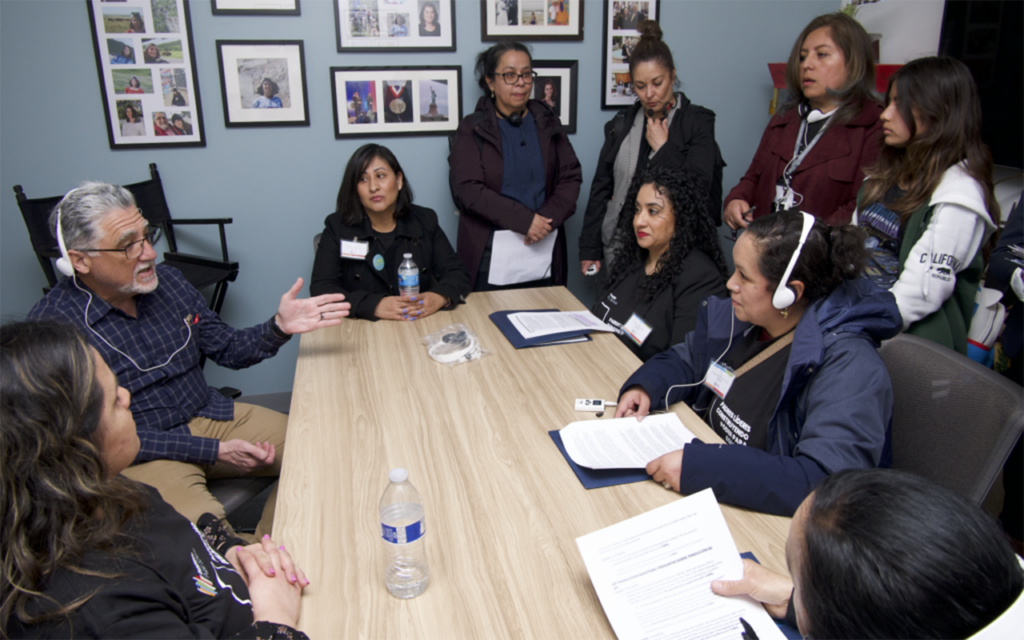
Bridging the Language Gap in Special Education: Empowering Parents Through Accessible Documents
Navigating the complexities of special education can be a daunting task for any parent.For families whose primary language isn't English, this challenge is amplified, often creating significant barriers to understanding and participating in their child's educational journey.
This article explores the evolving landscape of special education document translation, highlighting recent advancements and the ongoing need for equitable access to information that empowers all parents to advocate effectively for their children's unique needs.
We will delve into the critical importance of timely and accurate translations, the impact of language barriers on parental engagement, and the steps being taken to foster a more inclusive and supportive educational environment.
The Imperative of Clear Communication in Special Education
Effective communication is the bedrock of a successful educational partnership between schools and families.When it comes to special education, this principle takes on even greater significance.
Individualized Education Programs (IEPs) are legally binding documents that outline a student's specific learning needs, the services they will receive, and the goals they are expected to achieve.
For parents to provide informed consent and actively participate in developing these crucial plans, they must fully comprehend the information presented.
Research consistently shows that parental involvement is a key predictor of student success.
However, when parents are unable to access and understand essential documents due to language barriers, their ability to engage meaningfully is severely compromised.
They may struggle to ask clarifying questions, voice concerns, or fully grasp the implications of proposed services.
This can lead to a disconnect between the school's intentions and the family's understanding, potentially hindering the child's progress and well-being.
The sentiment that "if parents can’t receive translated documents, they can’t meaningfully engage in their child’s education" underscores the critical role of accessible information.
Without it, the very foundation of informed decision-making crumbles.
The Impact of Delayed or Inaccurate Translations
The consequences of delayed or inaccurate translations can be far-reaching.Parents may experience prolonged waiting periods, sometimes stretching for months, before receiving translated versions of vital documents.
This delay can mean that a child misses out on necessary services or interventions, as parents are unable to approve or understand the proposed support.
For young children, especially, these early developmental years are critical, and any delay in receiving appropriate educational assistance can have a lasting impact.
Furthermore, the quality of translations is paramount.
When translations are rushed, incomplete, or handled by individuals lacking specialized knowledge of educational terminology, critical nuances can be lost.
This can lead to misunderstandings about a child's diagnosis, the nature of the services offered, or the expected outcomes.
The frustration and anxiety experienced by parents in such situations are palpable, as they strive to do what's best for their child but are hampered by a lack of clear, reliable information.
This situation is particularly challenging when parents have to rely on summaries or hurried explanations from interpreters, who may not always be certified or possess the deep understanding required for complex educational documents.
Advancements in Translation Accessibility
Recognizing the critical need for improved translation services in special education, legislative efforts have been initiated to address these challenges.While the journey toward comprehensive solutions is ongoing, incremental progress is being made.
One significant development involves the creation of standardized templates for Individualized Education Programs (IEPs) that are translated into multiple languages.
The Role of Translated Templates
The introduction of translated IEP templates represents a positive step forward.These templates, available in the most commonly spoken languages in a given region, provide a foundational structure for understanding the key components of an IEP.
They typically include categories for services, goals, and accommodations, offering a consistent framework that can be adapted to each student's unique profile.
The availability of these templates online by a designated date aims to ensure that schools have readily accessible resources for translation.
While these templates are not a complete solution, they offer several benefits.
They can help standardize terminology and ensure that essential sections of an IEP are consistently addressed.
For translators, having a pre-defined structure can streamline the translation process, potentially reducing turnaround times.
Moreover, for parents, a translated template can serve as a valuable reference point, helping them to better understand the general components of an IEP, even if the specific details of their child's plan are still being finalized or translated.
This provides a sense of familiarity and a starting point for engagement.
Limitations and the Path Forward
Despite the positive impact of translated templates, advocates and parents emphasize that this is an incremental improvement.The core issue of translating individualized plans in a timely and accurate manner remains a significant concern.
While a template provides a framework, the specific details of each child's IEP are unique and require careful, personalized translation.
The absence of mandated timelines for the translation of these individualized documents means that parents may still face lengthy waits.
The sentiment that "this is a situation that is really untenable and ultimately is harmful to children with disabilities" highlights the urgency of the matter.
Parents are pushing for more than just templates; they are seeking clear guidelines on how to access qualified translators and definitive time limits for document translation.
The inconsistency in translation timelines across different school districts is a major point of contention, as parents believe there should be equity in what they can expect, regardless of their geographic location.
The goal is to move beyond a system where timely access to information relies on the dedication of individual teachers or case managers, and instead establish a reliable, systemic process.
Empowering Parents: Strategies for Effective Advocacy
While systemic changes are crucial, parents can also adopt proactive strategies to navigate the special education system and advocate for their children's needs, even when facing language barriers.Mentofy, as a global learning platform, is dedicated to providing resources and support that empower parents and educators alike.
Leveraging Available Resources
Understanding the rights and responsibilities within the special education framework is the first step.Parents should familiarize themselves with the general principles of special education law and the components of an IEP.
Even without immediate access to a fully translated document, understanding the purpose of each section can be beneficial. * **Seek Clarification:** Don't hesitate to ask school staff to explain sections of documents verbally, even if a full translation is pending.
Request that explanations be provided slowly and clearly. * **Utilize Interpreters:** When available, ensure that certified interpreters are present during IEP meetings.
While summaries can be helpful, a direct interpreter can facilitate more nuanced communication. * **Build Relationships:** Developing a strong working relationship with your child's teacher, case manager, and other school personnel can foster trust and open lines of communication.
They can often provide informal explanations and support. * **Document Everything:** Keep records of all communications, requests for translations, and any delays experienced.
This documentation can be valuable if further advocacy is needed.
The Role of Educational Platforms
Platforms like Mentofy play a vital role in bridging knowledge gaps.By offering courses and resources on special education, parental advocacy, and navigating educational systems, Mentofy equips parents with the information they need to be effective advocates.
These resources can help parents understand: * The legal framework governing special education. * The process of developing and reviewing IEPs. * Strategies for effective communication with school staff. * How to identify and articulate their child's specific needs. * The importance of culturally responsive communication and translation services.
The availability of educational content in various formats and languages can significantly enhance parental understanding and confidence.
When parents are well-informed, they are better equipped to participate actively in their child's education and ensure that their child receives the support they deserve.
The goal is to ensure that every parent, regardless of their linguistic background, has the tools and knowledge to advocate for their child's educational success.
Ensuring Equity and Timeliness in Special Education Translations
The ultimate goal is to create a special education system where language is never a barrier to a child's educational progress.This requires a multi-faceted approach involving legislative action, school district commitment, and ongoing advocacy from parents and organizations.
Systemic Solutions for Translation Challenges
To address the challenges of delayed and inaccurate translations, several systemic solutions are being explored and advocated for: * **Mandated Timelines:** Implementing clear, legally binding timelines for the translation of all special education documents, including IEPs, is crucial.This would create accountability and ensure that parents receive information in a timely manner. * **Qualified Translator Pools:** Establishing and maintaining pools of qualified, certified translators with expertise in special education terminology is essential.
This could involve partnerships with translation agencies or developing in-house translation capabilities within school districts. * **Standardized Quality Assurance:** Developing robust quality assurance processes for translations to ensure accuracy, clarity, and cultural appropriateness.
This might include review by bilingual special education professionals. * **Resource Allocation:** Ensuring that school districts and state education departments allocate sufficient financial and human resources to support comprehensive translation services.
This includes funding for translator training, technology, and personnel. * **Ongoing Training and professional development:** Providing continuous training for translators and school staff on best practices in special education translation and culturally responsive communication.
The Power of Parental Voice
The persistent advocacy of parents and organizations has been instrumental in bringing these issues to the forefront.Their lived experiences and unwavering commitment to their children's education are driving the demand for more equitable and accessible services.
The ongoing dialogue between families, educators, and policymakers is vital for shaping policies that truly serve the needs of all students.
The journey towards fully accessible special education documents is a continuous one.
While progress is being made, the commitment to ensuring that every parent can fully understand and participate in their child's educational journey must remain a top priority.
By working collaboratively, we can build a more inclusive, equitable, and effective educational system for all children.
Conclusion
The evolving landscape of special education document translation signifies a growing recognition of the critical need for equitable access to information for all parents.While the introduction of translated IEP templates is a positive development, it underscores the ongoing challenges of ensuring timely and accurate translations of individualized plans.
Research consistently highlights that parental engagement is paramount to student success, and language barriers can significantly impede this engagement.
The journey towards bridging this communication gap requires a concerted effort.
This includes legislative action to establish clear timelines and quality standards for translations, as well as a commitment from educational institutions to invest in qualified translators and robust translation processes.
Educational platforms like Mentofy play a crucial role in empowering parents with knowledge and resources, enabling them to become more effective advocates for their children.
Ultimately, the goal is to create a system where language is no longer an obstacle, and every parent has the opportunity to fully participate in their child's special education journey, ensuring that all children receive the support and education they deserve.







 Explore AI Teaching Tools
Comments (0)
Please login to comment
No comments yet
Be the first to comment on this article