
Federal Loan Overhaul: Will Education Programs Face a Reckoning?
A sweeping overhaul of federal student lending, enacted in the summer of 2025, is poised to reshape how students finance their higher education, with significant implications for schools of education. The "One Big Beautiful Bill Act" (OBBBA) introduces new caps on graduate student and parent loans, alongside an accountability system tied to graduate earnings. This move, aimed at curbing the nation's $1.7 trillion student debt crisis, has administrators at education schools cautiously assessing potential impacts.
Rethinking Graduate Lending: The End of Grad PLUS
Perhaps the most dramatic change for graduate students is the elimination of the Grad PLUS loan program. This federal loan allowed graduate students to borrow virtually unlimited amounts, a lifeline for many pursuing advanced degrees. Under OBBBA, graduate students in education programs will now be restricted to the Stafford loan program, with annual limits of $20,500 and a lifetime cap of $100,000.
Impact on High-Cost Institutions
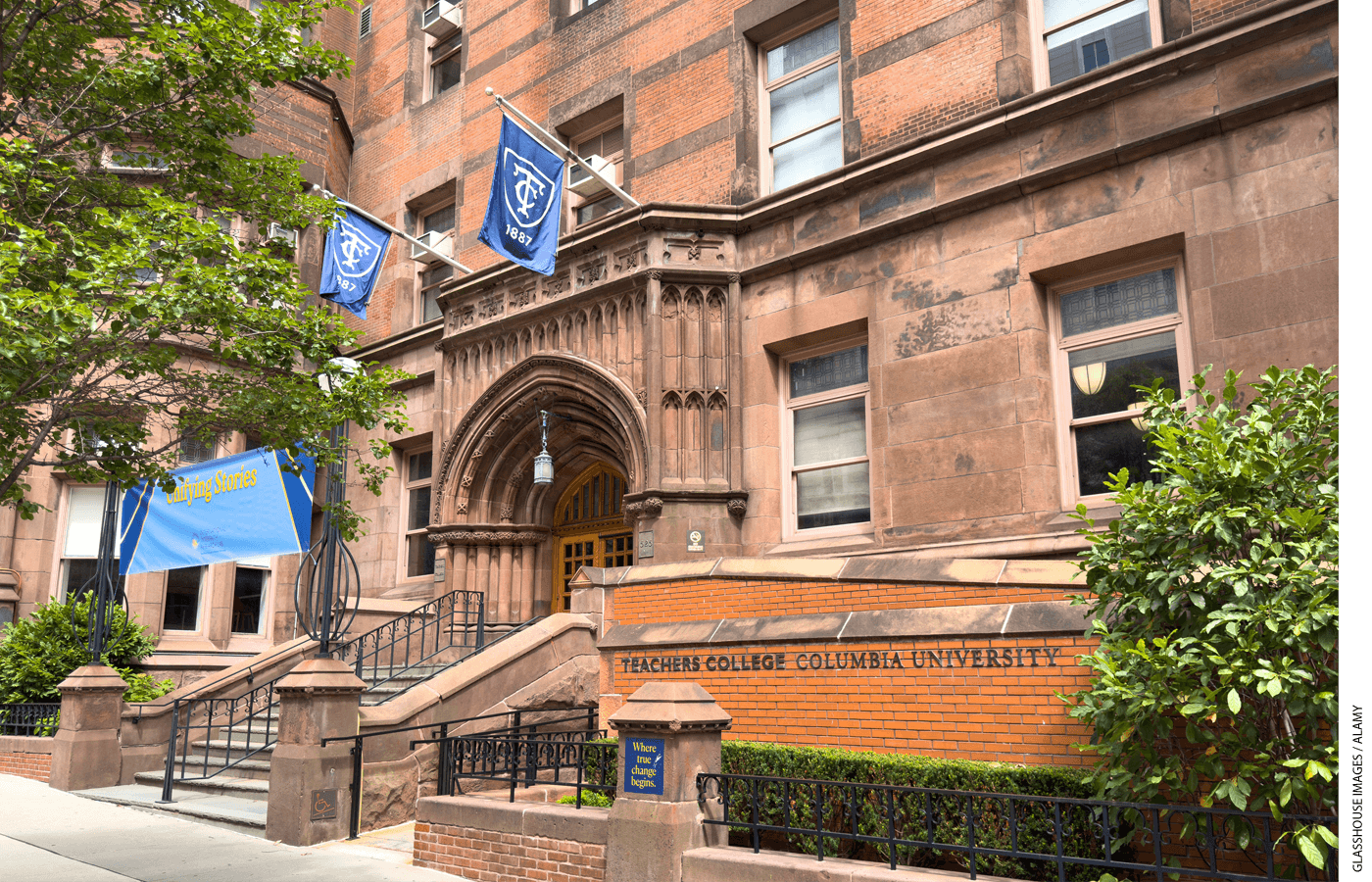
While most schools of education are unlikely to see substantial disruption, a select group of institutions with exceptionally high tuition fees are bracing for change. Data reveals that a small percentage of graduate education students utilize Grad PLUS loans, but at certain universities, this reliance is significantly higher. For instance, at some special education master's programs, a vast majority of students depend on Grad PLUS, often accumulating substantial debt beyond their Stafford loans.
These high-cost programs, often found at prestigious universities, are directly targeted by OBBBA's intent to curb excessive borrowing. The legislation questions the federal government's role in financing programs where significantly more expensive options exist alongside more affordable alternatives. Institutions facing these constraints may need to explore strategies like tuition reduction or alternative financing models to retain students.
Parent PLUS Loans Face New Limits
The OBBBA also revises the Parent PLUS loan program, which allows parents to borrow on behalf of their dependent undergraduate children. Annual borrowing will now be capped at $20,000 per child, with a lifetime limit of $65,000. This adjustment acknowledges concerns about parents taking on unsustainable levels of debt.
Concentrated Use Among Elite Schools
Similar to the Grad PLUS program, the impact of Parent PLUS loan caps is expected to be concentrated. While a small fraction of undergraduate education students have parents utilizing Parent PLUS loans, this figure rises significantly at institutions with exceptionally high tuition. Some teacher education programs at elite universities see a substantial portion of families relying on these loans, often borrowing tens of thousands of dollars annually.
The new caps aim to encourage these expensive schools to either lower their tuition, increase institutional aid, or find other funding sources, rather than relying on extensive federal loan programs to cover the cost. This shift aims to place more financial responsibility on the institutions themselves.
Pro-Rating for Part-Time Students
A further adjustment introduced by OBBBA is the pro-rating of loan limits for part-time students. This means that students enrolled less than full-time will have their loan eligibility adjusted proportionally. For example, a student enrolled half-time will have half the loan limit of a full-time student.
Implications for Education Schools
Education schools with a significant proportion of part-time students will need to pay close attention to this provision. While the majority of graduate education students still enroll full-time, a notable segment pursues degrees on a part-time basis. The new limits could mean these students borrow closer to their adjusted maximums, potentially impacting their overall debt accumulation.
The "Do No Harm" Test: Accountability Through Earnings
Beyond loan limits, OBBBA introduces a crucial "Do No Harm" test, designed to cut off federal loan eligibility for programs whose graduates consistently demonstrate low earnings. This accountability measure aims to prevent students from borrowing for programs that offer limited financial return, making debt repayment challenging.
Benchmarks for Success
The test establishes specific benchmarks for graduate earnings. For undergraduate programs, median graduate earnings four years after graduation must surpass the median earnings of individuals in the same state with only a high school diploma. For graduate programs, median earnings must exceed those of comparable bachelor's degree holders in the same field.
This system is designed to ensure that students can realistically repay their loans. While education has not historically been the highest-paying field, preliminary data suggests that the vast majority of education programs will meet these earnings benchmarks.
Few Education Programs Expected to Fail
According to initial analyses, only a handful of bachelor's and master's degree programs in education are projected to fall below the "Do No Harm" earnings threshold. Doctoral programs in education are not expected to face any issues. This indicates that most education degrees provide graduates with sufficient earning potential to manage their student loan obligations.
However, a more significant impact is observed at the sub-baccalaureate level, particularly in early childhood education certificate and associate degree programs. Nearly a third of these programs may not meet the earnings benchmark. While these programs often have low tuition and fewer students rely on federal loans, the new standard could prompt states to explore alternative funding models or address licensing requirements to make these professions more accessible without substantial student debt.
Navigating the New Landscape
The OBBBA represents a significant shift in federal student lending policy, with the primary goal of mitigating the escalating student debt crisis. For schools of education, the immediate impact will be felt most acutely by institutions with exceptionally high tuition, which may need to adapt their financial models.
The "Do No Harm" test, while stringent, appears to be a safeguard rather than a punitive measure for most education programs. It encourages a focus on program outcomes and graduate success, ensuring that federal student loans are directed towards pathways that offer a reasonable return on investment for students.
Ultimately, the OBBBA's reforms are designed to foster greater financial responsibility among both institutions and students. By introducing loan caps and an earnings-based accountability system, the legislation aims to bend the student debt curve downward, making higher education more sustainable for future generations of students and educators.






 Explore AI Teaching Tools
Comments (0)
Please login to comment
No comments yet
Be the first to comment on this article