
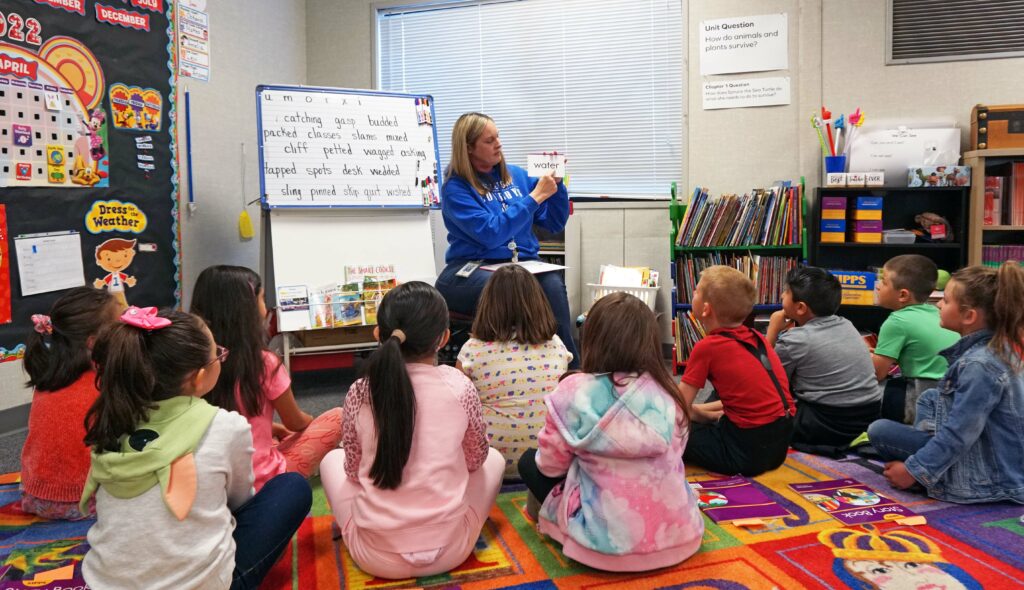
Elevating Teaching: New Standards Champion Holistic Student Development and Family Partnerships
In the dynamic world of education, the pursuit of excellence is a continuous journey.For educators, staying abreast of evolving pedagogical approaches is paramount to fostering student success.
Recent advancements in professional teaching standards are signaling a significant shift towards a more comprehensive and student-centered approach, emphasizing not just academic mastery but also the crucial elements of social-emotional well-being and robust family engagement.
These updated guidelines are designed to empower teachers with the knowledge, skills, and abilities necessary to navigate the complexities of modern classrooms and cultivate truly thriving learning environments for every student.
The Evolution of Professional Teaching Standards: A Deeper Dive
Professional teaching standards serve as the bedrock for educator development and evaluation, outlining the expected competencies of effective teachers.These standards are not static; they are living documents that adapt to the changing needs of students and society.
The latest revisions represent a thoughtful reimagining of what it means to be an exceptional educator in the 21st century, moving beyond traditional metrics to embrace a more holistic view of learning and development.
This evolution is driven by a growing understanding that student success is intricately linked to their emotional intelligence, sense of belonging, and the supportive network they have both within and outside the school walls.
Understanding the Core Pillars of Modern Teaching
The updated framework for teaching is built upon several key pillars, each designed to enhance the learning experience and ensure that all students receive the support they need to flourish.These pillars are not isolated concepts but rather interconnected elements that work in synergy to create a powerful educational ecosystem.
Domain 1: Engaging and Supporting All Students in Learning
This foundational domain underscores the importance of understanding each student as an individual.
Effective teachers leverage their knowledge of students' unique backgrounds, interests, and learning styles to create an environment where participation, engagement, and a strong sense of belonging are actively fostered.
This means moving beyond one-size-fits-all approaches and embracing strategies that resonate with the diverse identities and experiences of every student.
When students feel seen, valued, and connected, their capacity for learning expands exponentially.
Domain 2: Creating and Maintaining Effective Environments for Student Learning
Beyond the physical space, an effective learning environment is one that is safe, nurturing, and intellectually stimulating.
This domain emphasizes the teacher's role in cultivating a classroom culture that affirms student agency, voice, and identity.
It’s about building a community where equity and inclusivity are not just buzzwords but lived realities.
Teachers are called upon to create spaces where students feel empowered to take risks, express themselves, and explore their potential without fear of judgment.
This inclusive atmosphere is crucial for fostering a genuine love of learning.
Domain 3: Understanding and Organizing Subject Matter for Student Learning
This domain highlights the critical link between subject matter knowledge and effective pedagogy.
Teachers are expected to not only possess a deep understanding of their content but also to organize and present it in a way that is culturally relevant, equitable, and engaging.
This involves designing a curriculum that challenges learners and equips them with the academic and social-emotional skills necessary to become competent and resourceful individuals.
It’s about making learning meaningful and applicable to students' lives, connecting classroom content to the wider world.
Domain 4: Planning Instruction and Designing Learning Experiences for All Students
Effective teaching is intentional.
This domain focuses on the teacher's ability to set a clear direction for instruction and to design learning experiences that are both challenging and relevant.
The emphasis is on fostering the academic and social-emotional development of each student.
This involves thoughtful planning that anticipates student needs and provides opportunities for growth in all areas.
The goal is to create dynamic learning journeys that ignite curiosity and promote deep understanding.
Domain 5: Assessing Students for Learning
Assessment is a powerful tool for guiding instruction and supporting student progress.
This domain emphasizes the use of equitable assessment practices that go beyond simply measuring achievement.
Teachers are encouraged to use assessments to identify students' interests and abilities, understand what they know and can do, and determine their learning needs.
This information is then used to inform instructional decisions, monitor progress, and collaboratively guide both teachers and students toward improved learning outcomes.
It’s about making assessment a continuous and supportive part of the learning process.
Domain 6: Developing as a Professional Educator
The commitment to professional growth is a hallmark of an exceptional teacher.
This domain focuses on the ongoing development of educators as effective and caring professionals.
It encourages engagement in high-quality professional learning experiences that enhance teaching capacity, leadership skills, and personal well-being.
By continuously learning and refining their practice, teachers are better equipped to support each student in their journey to learn and thrive.
This commitment to lifelong learning benefits not only the teacher but also the entire learning community.
The Imperative of Family and Community Engagement
A significant and welcome shift in the revised standards is the amplified focus on family and community engagement.Research consistently shows that when schools and families work together, students experience greater academic success and improved social-emotional outcomes.
These new standards explicitly require teachers to develop and implement effective strategies for communicating with and building strong relationships with families.
This partnership is seen as an invaluable asset in supporting student learning and development.
Building Bridges: Strategies for Meaningful Family Connections
Creating strong home-school connections requires intentional effort and a commitment to open communication.
Teachers are encouraged to explore a variety of approaches to engage families, recognizing that each family has unique circumstances and communication preferences.
This might include:
- Establishing regular and accessible communication channels, such as newsletters, email updates, or parent-teacher conferences.
- Actively seeking input from families regarding their child's strengths, challenges, and learning preferences.
- Inviting families to participate in classroom activities or school events.
- Providing resources and information to families that support their child's learning at home.
- Cultivating a welcoming and inclusive school environment where families feel valued and respected.
By prioritizing these connections, teachers can create a more supportive and cohesive learning experience for students, reinforcing the importance of education across all aspects of their lives.
This collaborative approach acknowledges that the learning journey extends far beyond the classroom walls.
Addressing the Whole Child: Social-Emotional Learning and Identity
The revised standards place a strong emphasis on social-emotional learning (SEL) and the recognition of students' identities.This holistic approach acknowledges that academic achievement is deeply intertwined with a student's emotional well-being, self-awareness, and ability to navigate social situations.
Teachers are now tasked with actively integrating SEL into their teaching practices, helping students develop crucial life skills such as self-management, social awareness, responsible decision-making, and relationship skills.
Fostering Self-Awareness and Ethical Practice
A particularly noteworthy addition to the standards involves a call for teachers to engage in critical self-reflection.
This includes examining their own attitudes, beliefs, and potential biases and understanding how these personal attributes might influence their teaching and impact student learning.
Furthermore, teachers are encouraged to reflect on their personal code of ethics, ensuring that their professional conduct aligns with the highest standards of integrity and fairness.
This commitment to personal and professional growth is essential for creating equitable and supportive learning environments for all students.
Ensuring Equity for All Learners
Recognizing the diverse needs within any student population, the revised standards also include specific provisions to ensure that the learning experiences of English learners and students with disabilities are given greater prominence.
Amendments have been introduced to highlight the importance of these student groups and to ensure that teachers are equipped to meet their unique educational needs.
This includes directing teachers to actively participate in individualized education program (IEP) meetings, fostering a collaborative approach to supporting students with special needs.
The Implementation Journey: Challenges and Opportunities
The introduction of new standards, while promising, often presents implementation challenges.Teacher preparation programs, school districts, and educational commissions require adequate time and resources to fully integrate these updated guidelines into their curricula and practices.
The process of revising and adopting these standards has been a multi-year endeavor, involving extensive collaboration among educators, administrators, and researchers.
Navigating the Transition to New Standards
The commission has set a target implementation date, but the path forward requires careful planning and support.
This includes:
- Developing comprehensive implementation plans to guide school districts and teacher preparation programs.
- Providing professional development opportunities for teachers to understand and apply the new standards effectively.
- Updating relevant documents, training materials, and accreditation resources to reflect the revised expectations.
- Fostering a collaborative environment where educators can share best practices and support each other during the transition.
While some have expressed concerns about the timeline, the prevailing sentiment is one of urgency and a shared commitment to improving educational outcomes for all students.
The goal is to capitalize on this momentum and ensure that these transformative standards are implemented effectively to benefit every student.
Conclusion: A Vision for Future-Ready Teaching and Learning
The recent updates to professional teaching standards mark a significant step forward in the ongoing quest to provide high-quality education.By placing a renewed emphasis on family engagement, social-emotional learning, and a deep understanding of each student's identity, these standards offer a compelling vision for the future of teaching.
They empower educators to create learning environments that are not only academically rigorous but also deeply supportive, inclusive, and responsive to the diverse needs of all students.
As teachers embrace these evolving expectations, the entire learning community stands to benefit, fostering a generation of well-rounded, resilient, and engaged individuals prepared to thrive in an ever-changing world.
The commitment to continuous learning and adaptation by teachers is the cornerstone of this progress, ensuring that education remains a powerful force for positive change.






 Explore AI Teaching Tools
Comments (0)
Please login to comment
No comments yet
Be the first to comment on this article