
Malaysia Navigates 100 Days of Global Turmoil: Essential Supplies Hold Firm
As the world grapples with unprecedented geopolitical and economic shifts, Malaysia has successfully navigated the initial 100 days of a persistent global crisis, maintaining a remarkably stable supply of critical goods and services. This resilience, according to a senior government economic advisor, is a testament to proactive measures and a coordinated approach to crisis management.
A Foundation of Preparedness
Prime Minister’s Economic Adviser, Nurhisham Hussein, who also leads the Secretariat of the National Economic Action Council (MTEN) Crisis Management Task Force, has underscored the government's immediate focus since the crisis began. The paramount objective has been to ensure the uninterrupted flow of essential commodities and services, a strategy that appears to be yielding significant results.
Securing the Essentials: Fuel and Food
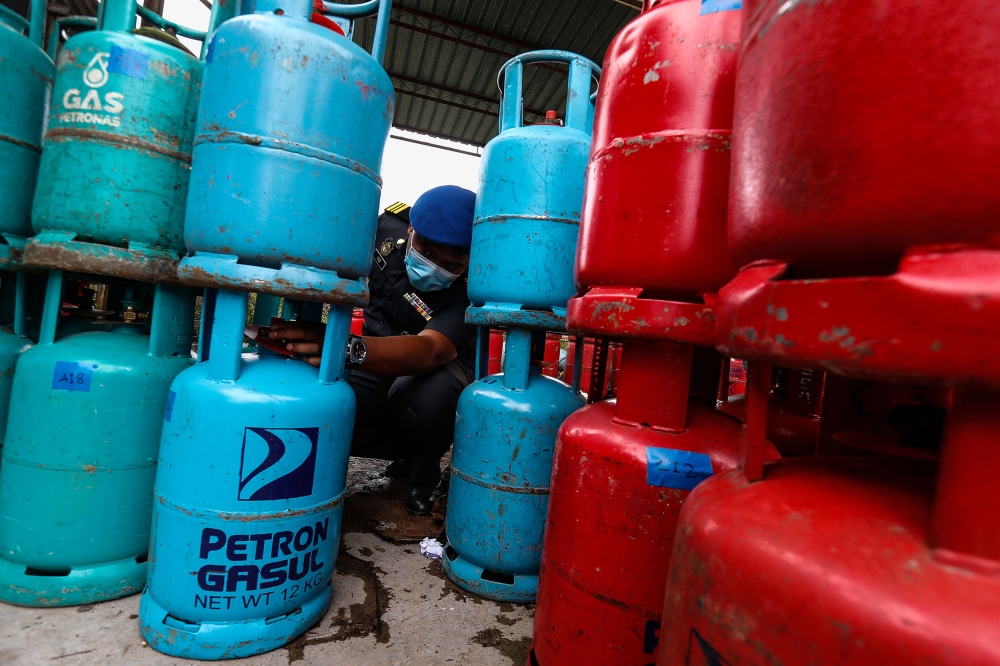
Nurhisham highlighted that the nation's fuel reserves are robust, with sufficient stocks guaranteed through July and proactive arrangements already underway for August. This forward-thinking approach extends to the food sector, where Malaysia boasts ample supplies across all major categories. From rice and chicken to eggs, seafood, vegetables, and fruits, the availability remains strong.
Concerns regarding food security, while acknowledged, are currently deemed manageable. The advisor indicated that any substantial impact from global supply chain disruptions is anticipated to manifest much later, suggesting a buffer period for adaptation and mitigation.
The rapid production cycles for items like chicken and eggs, coupled with consistent feed supplies at reasonable prices, contribute to this stability. This internal capacity provides a crucial layer of insulation against external shocks, ensuring domestic needs are met.
Energy and Healthcare: Pillars of Stability
On the energy front, Malaysia's electricity generation capacity stands firm, even amidst heightened global energy market volatility. A significant portion of the nation's power is derived from domestically produced liquefied natural gas (LNG), providing a degree of self-sufficiency.
Furthermore, coal imports are secured through established long-term contracts, mitigating the immediate risks associated with fluctuating global coal prices. The primary challenge identified in the energy sector is not generation but managing demand, particularly in anticipation of a potentially hot year.
This anticipation is informed by meteorological forecasts, including the potential for an El Niño event later in the year. Global climate agencies and the national meteorological department have indicated a notable probability of such a phenomenon, which could lead to hotter and drier weather conditions, thus increasing energy demand for cooling.
In the healthcare sector, the situation is equally reassuring. Over 70 percent of medicines within the public health system currently maintain stock levels exceeding three months. While a small number of items are being closely monitored for lower inventories, authorities are confident in their ability to manage.
Crucially, most critical medicines have readily available alternative treatments. For medical devices, some consumables may have relatively lower stocks, but the presence of multiple suppliers ensures that the situation remains under control and supply chains are diversified.
The Health Ministry's swift response, leveraging systems honed during the COVID-19 pandemic, has been instrumental. This allows for rapid assessment of stock levels across both public and private healthcare facilities, enabling timely interventions when necessary.
Economic Resilience and Development Commitments
While acknowledging the pressures exerted by the crisis on specific sectors, particularly construction, Nurhisham stated that the overall impact on Malaysia's economy has been contained thus far. Initial challenges in construction, stemming from elevated diesel prices and increased material costs, have gradually stabilized as global prices have eased in recent months.
Concerns regarding significant increases in government borrowing have been addressed, with assurances that Malaysia's fiscal framework strictly prohibits borrowing to finance subsidies. Any rise in the fiscal deficit is attributed to slower GDP growth rather than increased debt accumulation.
Despite additional fiscal pressures, including those arising from fuel subsidies, the government remains steadfast in its commitment to key development priorities. Projects crucial for the nation's long-term resilience and growth, such as flood mitigation, water supply, electricity generation, road infrastructure, schools, and hospitals, will proceed as planned.
These initiatives are deemed non-negotiable, forming the bedrock of the country's future prosperity and stability. The government's development agenda remains a core focus, irrespective of the prevailing global economic climate.
Looking Ahead: Conservation and Cooperation
As Malaysia looks beyond the initial 100 days, Nurhisham emphasized the critical role of demand management and waste reduction in ensuring continued resilience should the crisis persist. Encouraging practical measures such as work-from-home arrangements, reducing government electricity consumption, and limiting non-essential travel are key strategies.
Exploring staggered school opening hours to alleviate traffic congestion and reduce fuel usage is also part of the forward-looking plan. A significant area highlighted for urgent attention is food wastage, which represents a substantial economic and resource loss.
Reducing waste across the entire supply chain, from production to household consumption, can significantly lower costs and extend the reach of available supplies, making resources go further.
A Stronger Position Than Before
Reflecting on the past 100 days, Nurhisham expressed confidence that the government is now in a considerably stronger position than at the crisis's outset. Initial uncertainties, fueled by information gaps, have been replaced by a clearer understanding of the situation.
The established mechanisms and the growing awareness within industries about sourcing supplies, including domestic alternatives, have created a more comfortable and predictable operating environment. This evolution from uncertainty to clarity marks a significant achievement.
While the situation remains manageable, continued cooperation from both businesses and consumers is deemed essential. This collaborative effort will be pivotal in ensuring Malaysia can navigate the ongoing crisis with minimal disruption to employment, income, and overall economic activity, reinforcing the nation's capacity to weather global storms.





 Explore AI Teaching Tools
Comments (0)
Please login to comment
No comments yet
Be the first to comment on this article