
Bonn University Forges Global Leaders: New MSc Programme Tackles Planetary Health Crisis
Imagine a city that breathes international cooperation, a place where academic rigor meets real-world impact. This is the environment cultivated at the University of Bonn, a hub for groundbreaking research and a launchpad for future global change-makers. Here, students are not just learning; they are actively shaping a more sustainable future.
From Jungle Roots to Global Solutions
Greys Lastenia Otiniano’s journey began amidst the lush biodiversity of the jungle, where a deep-seated passion for environmental stewardship took root. This early connection to nature fueled her ambition to protect it, leading her to a role in the Peruvian government focused on enhancing agricultural resilience through improved weather forecasting.
However, Otiniano soon recognized the limitations of data alone. She yearned for a more profound understanding and the tools to enact systemic change. This quest for deeper knowledge brought her to the University of Bonn, where she enrolled in the Master of Science in Agricultural Science and Resource Management in the Tropics and Subtropics (ARTS) programme.
“The ARTS programme offers more than just technical knowledge of tropical agriculture,” Otiniano explains. “It masterfully weaves together the intricate dynamics of ecosystems, the complex realities of socioeconomic factors, and the forefront of scientific innovation.” This holistic approach is a hallmark of the Faculty of Agricultural, Nutritional and Engineering Sciences (AEI) at Bonn, fostering an environment where interdisciplinary study is not just encouraged, but is the very foundation for developing sustainable solutions in energy and food supply.
A City of Opportunity, A World of Perspectives
The unique setting of Bonn itself plays a pivotal role in shaping the student experience. As Germany’s designated United Nations City, Bonn offers unparalleled proximity to over 25 UN organizations.
“This direct access allows us to seamlessly integrate real-world challenges and case studies into our curriculum,” states Dr. Jan Börner, Professor of Economics of Sustainable Land Use & Bioeconomy. “Simultaneously, students gain exposure to a remarkably diverse array of internship and career prospects, enabling them to explore a wide spectrum of potential professional paths.”
Beyond institutional connections, the true magic lies in the cross-pollination of ideas among students from varied backgrounds and disciplines. Otiniano vividly recalls a project in the Sustainable Entrepreneurship & Venturing class.
“We were tasked with developing innovative sustainable business concepts,” she shares. “The resulting proposals were astonishingly creative, ranging from digital platforms designed to combat food waste to sophisticated resource optimization strategies for indoor greenhouse farming. It was a powerful illustration of how diverse perspectives converge to generate richer, more impactful solutions.”
Engineering a Better Tomorrow: The MSc Planetary Health
In October 2026, the AEI faculty will unveil its most ambitious interdisciplinary initiative to date: the two-year, English-taught MSc Planetary Health programme. This groundbreaking curriculum has been meticulously designed by leading sustainability researchers, promising to equip students with the knowledge and skills to address the planet’s most pressing challenges.
A Holistic Approach to Global Challenges
“This programme is designed to empower students from a multitude of academic backgrounds to synthesize perspectives from ecology, geography, nutrition, public health, and various social sciences,” explains Prof. Börner, who also serves as the programme coordinator. “The goal is to foster the development of comprehensive solutions for the critical sustainability issues facing our world.”
The MSc Planetary Health is open to recent graduates seeking to advance their academic careers. Prospective applicants should possess a bachelor’s degree, or an equivalent qualification, in fields such as agricultural sciences, economics, geography, biology, environmental sciences, medicine, or closely related disciplines.
Over the course of four semesters, students will collaborate with an international cohort of peers, engaging with faculty members from four distinct university faculties. The curriculum is carefully structured to integrate essential methodological and analytical skills, including advanced techniques like machine learning, causal inference, spatial data analysis using GIS with R, and analytical epidemiology.
Bridging Theory and Practice
Every aspect of the programme is viewed through the lens of real-world problems. Students will grapple with complex issues such as climate change, the alarming loss of biodiversity, ensuring global food security, and safeguarding public health.
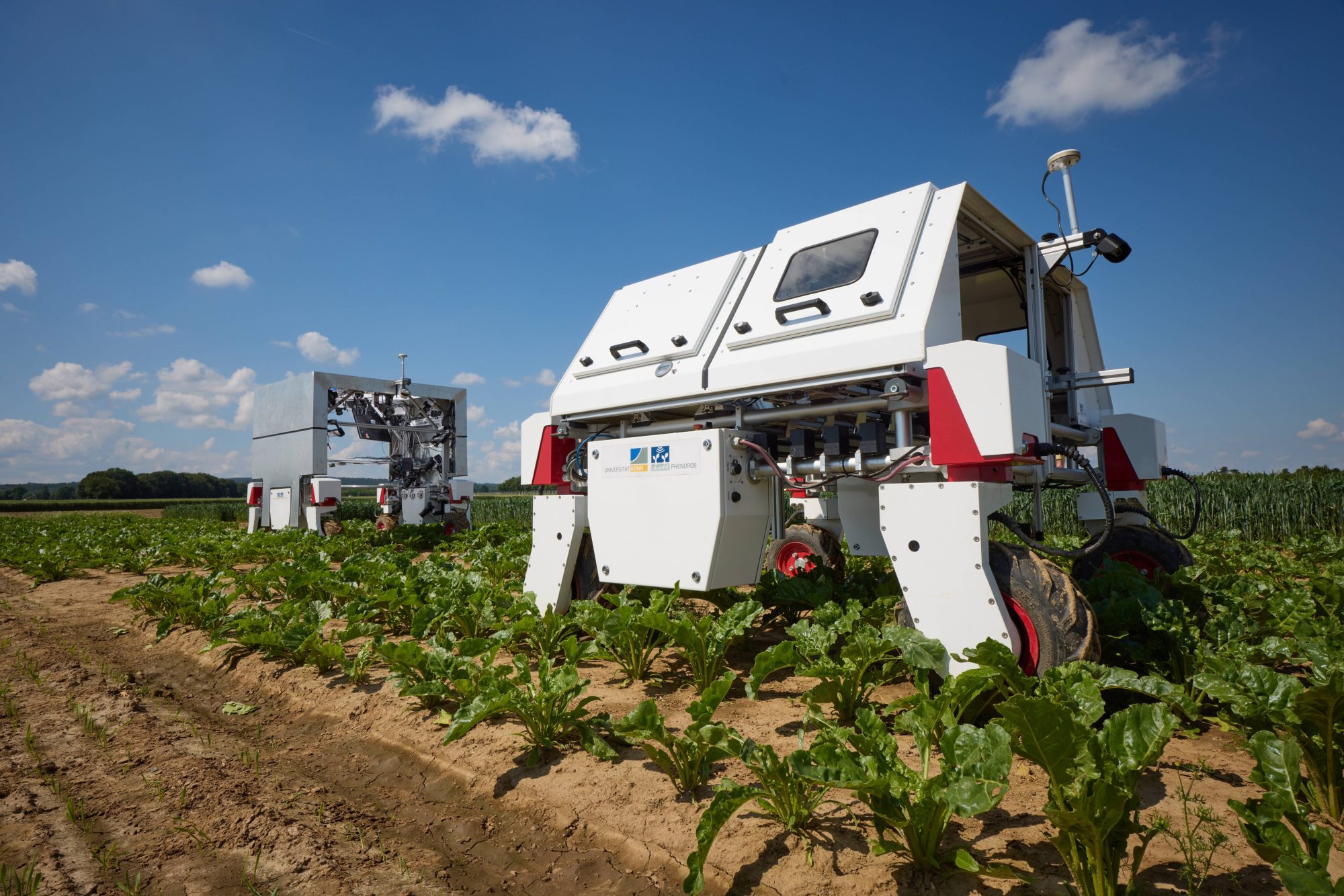
The programme boasts strong connections to the university’s esteemed research initiatives, including the Cluster of Excellence: PhenoRob and two Collaborative Research Centres dedicated to climate, land use, and rural development. These affiliations provide students with invaluable opportunities for applied research.
“This network opens up a vast landscape of applied research possibilities,” Prof. Börner notes. “Students can engage in laboratory and field experiments, conduct farm-household surveys across diverse global regions, and participate in prospective cohort studies, gaining hands-on experience that is crucial for their development.”
For Otiniano, even seemingly simple activities, like creating vision boards with her fellow students, fostered a profound sense of community and shared purpose. This collaborative spirit is a cornerstone of the Bonn experience.
Navigating the New: Comprehensive Support for International Students
Embarking on studies in a new country can present its challenges, but the University of Bonn is committed to providing robust support systems to ensure a smooth transition for its international students.
Seamless Integration and Cultural Immersion
The International Affairs Unit offers essential assistance with everything from enrolment procedures to pre-arrival guidance. Prospective students can also explore various accommodation options through the university’s dedicated student services.
The unit’s integration programme orchestrates a series of engaging monthly events, designed to help students connect with each other and the wider university community. Beyond these organized activities, opportunities for cultural immersion abound, including faculty-led hikes, opera nights, and celebrations of German traditions like Carnival, Easter, and the beloved “Sankt Martin” lantern parade.
By the time students complete their studies, they will have not only built a strong network of friends and colleagues but will also feel an integral part of a global movement dedicated to positive change. They will be exceptionally well-prepared to drive innovation, assume leadership roles in academia, policy-making, business, civil society, and international organizations.
“My time at the University of Bonn has fundamentally reshaped my perception of myself as an international professional,” Otiniano reflects. Currently serving as a student assistant at a prominent international institution focused on global fair trade supply chains, she is driven by a clear vision.
“My ultimate goal is to ensure that agriculture is recognized not merely as a cornerstone of food security, but as a dignified and sustainable way of life. I aspire to create a future where agriculture offers genuine opportunities, respect, and stability for all those who dedicate their lives to it,” she concludes, embodying the spirit of impactful learning fostered at Bonn.




 Explore AI Teaching Tools
Comments (0)
Please login to comment
No comments yet
Be the first to comment on this article