
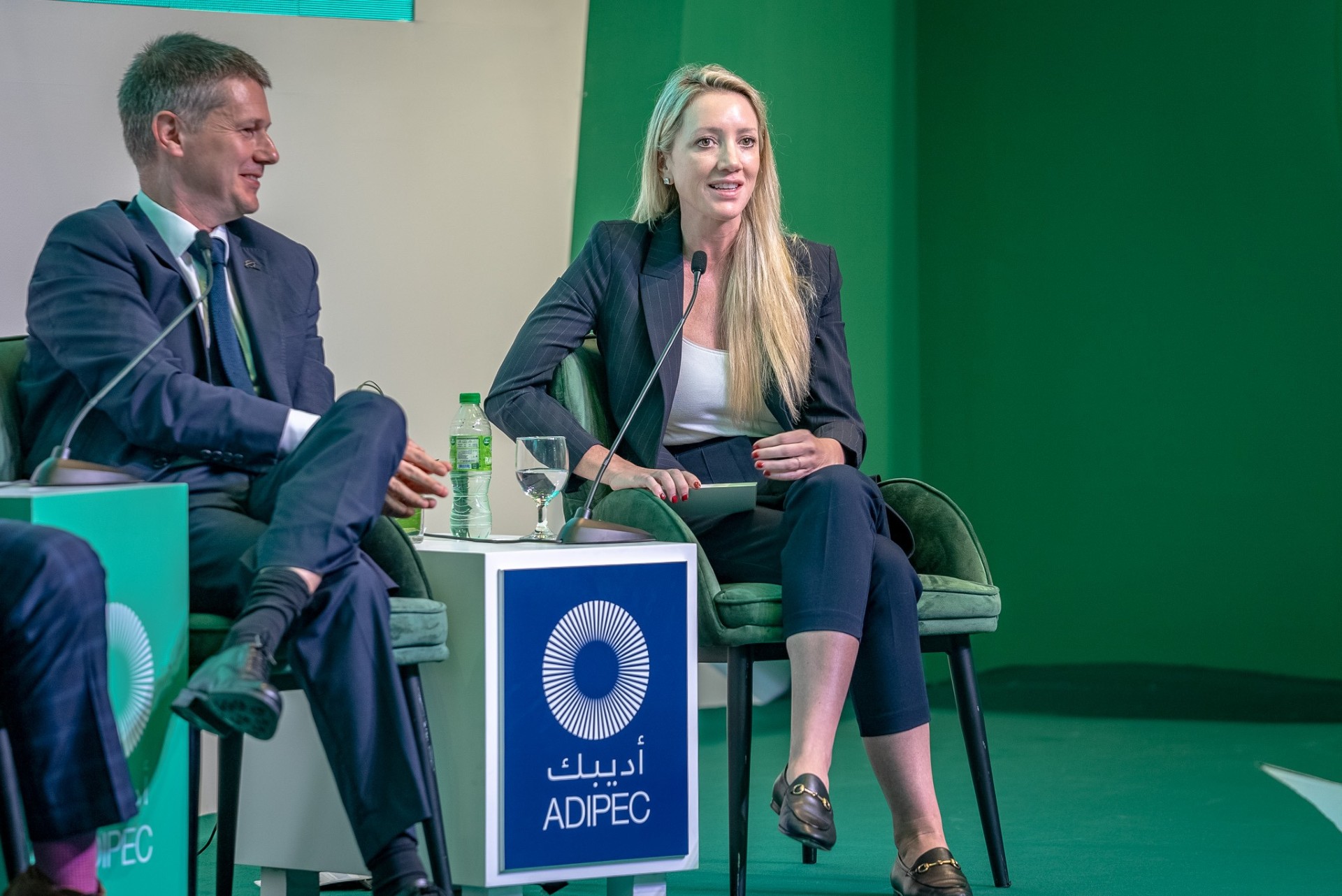
Beyond the Glass Ceiling: Three Women Redefine Success in a World Still Learning Equity
The narrative is familiar: the world is now an equitable playing field, doors are wide open, and women in business have never been better positioned. Yet, beneath this triumphant headline, quiet anecdotes persist, painting a more complex reality. A woman leading a crucial meeting is mistaken for support staff, a young girl is labeled "bossy" for exhibiting leadership potential, or a visionary founder is questioned for building a cutting-edge agri-tech business without a traditional agricultural degree. These instances, though seemingly isolated, reveal a persistent undercurrent.
Forging Fortresses of Expertise
Against this backdrop, three remarkable women, graduates of a globally renowned business institution, offer a compelling counter-narrative. Their stories are not just about overcoming obstacles, but about thriving in spite of systemic imbalances, proving that exceptionalism often requires navigating a world not yet fully attuned to their capabilities. Linn Tonsberg, Helen Wang, and Almaha Almuhairi are not merely succeeding; they are actively shaping their respective fields, demonstrating a profound resilience and strategic brilliance.
The MBA as Ammunition
For these accomplished professionals, their advanced business education was not a starting point, but a strategic enhancement. They didn't attend to discover a career path; they already possessed one. What they sought was a fortified position, a set of tools to amplify their existing strengths and counter lingering skepticism. Helen Wang, a leader in AI governance, faced investors who openly questioned her qualifications, a common hurdle for many women in male-dominated sectors.
Almaha Almuhairi, who is building a groundbreaking agri-tech business, wanted the precise language and undeniable credibility to silence doubt. She envisioned a future where her innovative ideas would be judged on merit, not on preconceived notions. Linn Tonsberg, now directing complex aviation operations across vast regions, sought a structured framework to articulate the sharp instincts she had honed through years of practical experience.
Their shared journey underscores a disquieting truth: even women who have already achieved a high level of competence often feel compelled to pursue further credentials to have their expertise fully recognized. For them, the MBA became an essential layer of validation, a way to make their capabilities visible to those who might otherwise overlook them. The world, it seems, still has many who require this extra layer of proof.
Navigating Friction, Embracing Opportunity
What truly unites Tonsberg, Wang, and Almuhairi is not their diverse industries or impressive accolades, but their sophisticated relationship with challenges. They possess an extraordinary capacity to tolerate discomfort and, crucially, to strategically integrate friction into their leadership styles. Tonsberg, for instance, actively cultivates an environment where healthy debate is encouraged, believing that robust discussion leads to stronger outcomes.
Paradoxically, these women also acknowledge benefiting from structural initiatives designed to create a more level playing field. Almuhairi candidly admits that she was sometimes selected for competitions partly due to a desire for greater female representation. While she is determined not to have her gender define her, she also refuses to apologize for the existence of opportunities—government-backed programs, STEM funding, and visibility initiatives—that exist for a valid purpose.
Wang, operating within the rapidly evolving landscape of AI governance, views her identity as a woman as a distinct advantage. In an era that is increasingly pushing back against aggressive, "win-at-all-costs" leadership models, the empathy and collaborative spirit often associated with women are seen as vital solutions. Tonsberg echoes this sentiment, recognizing the value of diverse perspectives in driving innovation and fostering inclusive environments.
The Nuance of Advantage
The question of whether these advantages are patronizing or pragmatic is one each of these women has clearly grappled with. The answer, as they reveal, is nuanced. While they may now experience more structural support, this is not a shortcut to success. It is, rather, an opening, a chance to demonstrate their capabilities on a more equitable stage.
The rest, as they consistently emphasize, still hinges on merit. The world of business is not yet unequivocally a woman's world, and perhaps it shouldn't be. True greatness, after all, should transcend gender entirely.
Exceptionalism as the New Standard?
What these three women embody is not necessarily the emerging norm, but powerful evidence of what can be achieved when women are provided with the right tools, robust networks, and essential institutional backing. The results, when these elements converge, are nothing short of extraordinary.
However, the critical phrase remains "when they are provided." The exceptional effort often required for women to even access these opportunities remains, by any objective measure, significantly higher than for their male counterparts. The absence of overt complaints from women like Wang, Almuhairi, and Tonsberg does not signify a lack of obstacles.
Instead, it highlights their remarkable ability, honed through years of discipline, to transform challenges into strategic advantages. This is the thread that truly binds them—more so than their alma mater, their advanced degrees, or even their shared gender. It is a unique form of intelligence, sharpened by the persistent experience of being underestimated, and ultimately, it is this intelligence that propels them forward in a world still striving for true equity.





 Explore AI Teaching Tools
Comments (0)
Please login to comment
No comments yet
Be the first to comment on this article