
Florida's Specialized Charter Schools: Empowering Exceptional Students Through Choice
In the dynamic landscape of modern education, Florida stands out as a beacon for innovative learning environments, particularly for students with exceptional needs.
This article delves into the world of specialized charter schools in Florida, exploring how these unique institutions are redefining educational possibilities and providing tailored support for students who thrive in specialized settings.
Discover how these schools, often born from a deep understanding of specific learning differences, are fostering academic growth, life skills, and a strong sense of community for students and their families.
The Rise of Specialized Charter Schools in Florida
Florida has cultivated a reputation as a leader in educational choice, and this extends significantly to students requiring specialized support.
The state's legislative framework has fostered an environment where charter schools can focus on specific student populations, including those with diverse learning needs.
This has led to the establishment of numerous schools dedicated to serving students with conditions such as autism, learning disabilities, and other cognitive or behavioral differences.
These institutions are not merely alternatives; they are vital components of the education ecosystem, offering a level of individualized attention and specialized programming that can be transformative for students.
The proliferation of these schools is a direct response to a growing recognition of the diverse needs within the student population.
Studies indicate a significant increase in diagnoses of learning differences, such as autism spectrum disorder, ADHD, and dyslexia, over the past few decades.
Traditional educational models, while striving for inclusivity, can sometimes struggle to provide the intensive, individualized support that many of these students require to reach their full potential.
Specialized charter schools in Florida aim to bridge this gap, offering a focused approach that prioritizes student success through tailored curricula and dedicated staff.
South Florida Autism Charter School (SFACS): A Model of Dedicated Education
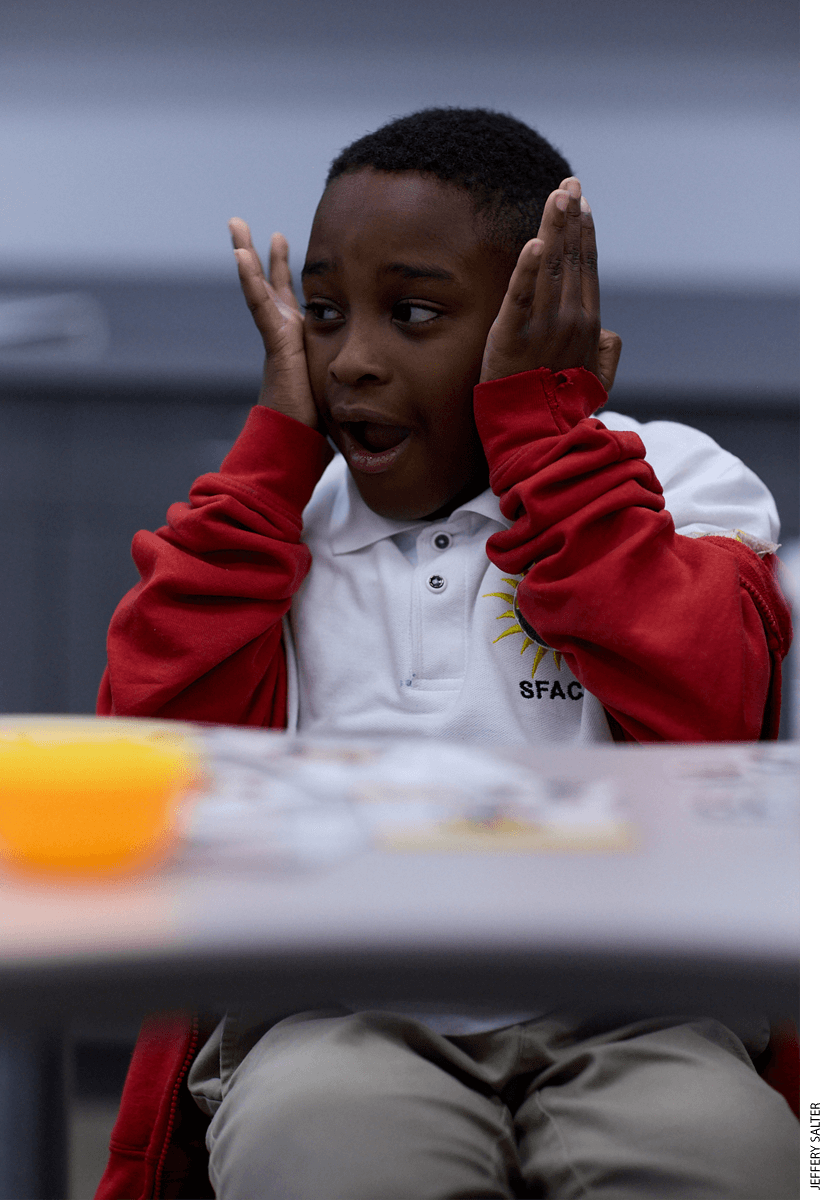
A prime example of this specialized approach is the South Florida Autism Charter School (SFACS).
Nestled on the outskirts of Miami, SFACS serves as a comprehensive educational hub for students with autism spectrum disorder, particularly those on the more severe end of the spectrum.
The school’s commitment to its students is evident from the moment one steps onto its campus.
Principal Tamara Moodie, a driving force behind the school's inception, embodies the calm yet commanding leadership necessary to guide such a specialized institution.
SFACS operates with a clear vision: to provide a nurturing and effective learning environment that addresses the unique challenges and celebrates the strengths of each student.
The school’s infrastructure is designed to support this mission, featuring transparent classroom windows that foster a sense of openness and accountability.
Beyond academics, SFACS boasts impressive facilities, including a dedicated therapy area equipped with play equipment, a dance room, and, crucially, a model studio apartment.
This apartment serves as a practical training ground for students to develop essential life skills, such as managing a kitchen, maintaining personal space, and practicing daily routines, preparing them for greater independence.
The educational philosophy at SFACS is deeply rooted in individualized support.
The school maintains a rigorous three-to-one student-to-staff ratio, ensuring that each student receives consistent, personalized attention.
Classrooms are staffed by a primary teacher and two paraprofessionals, creating a supportive team dedicated to the progress of a small group of students.
This intensive staffing model allows educators to address the specific learning styles, behavioral needs, and cognitive profiles of each student, fostering an environment where every child can thrive.
curriculum and Instruction at SFACS
The curriculum at SFACS is meticulously crafted to meet the diverse needs of its student population.
For students with significant cognitive needs and those on the autism spectrum, learning often involves breaking down complex concepts into manageable steps and utilizing a variety of sensory and visual aids.
For instance, a lesson on the difference between "wants" and "needs" might involve short stories, visual charts, and interactive exercises to reinforce understanding.
For nonverbal students, communication is facilitated through picture-based charts that allow them to express their emotional and physical needs effectively.
The school’s dedication extends beyond the traditional academic day.
SFACS is committed to supporting the entire family unit.
Principal Moodie and her team frequently host family learning sessions, addressing topics relevant to the autism community and providing resources and guidance.
This holistic approach, coupled with the school’s wraparound services that extend to an adult center, creates a lifelong support system for individuals with autism, from childhood through adulthood.
This comprehensive model ensures that students can transition seamlessly into post-secondary programs and employment opportunities, further enhancing their independence and quality of life.
Florida's Commitment to Special Education Choice
Florida's proactive stance on educational choice has been instrumental in the growth of specialized charter schools.
The state has long recognized the importance of providing families with a range of options to meet their children's unique educational needs.
This commitment is reflected in policies that specifically allow charter schools to focus on serving students with special needs, a flexibility that is not universally present across all states.
The history of specialized education in Florida includes early private schools for students with disabilities that transitioned to charter status, demonstrating a long-standing dedication to this population.
Furthermore, the state offers specialized education savings accounts for exceptional students, which can be utilized for private school tuition or specialized therapies.
This multifaceted approach underscores Florida's dedication to ensuring that all students, regardless of their learning differences, have access to appropriate and effective educational opportunities.
The Role of School Districts and Funding
The success of specialized charter schools like SFACS is often bolstered by strong partnerships with local school districts.
These collaborations ensure that resources are shared effectively and that students receive comprehensive support.
In Florida, the state's funding formula plays a significant role, providing amplified base funding for students who require more intensive and personalized learning services.
This financial support is crucial for specialized schools, enabling them to invest in the specialized staff, resources, and programs necessary to serve their student population effectively.
While there might be a financial incentive for charter schools to serve students with special needs, the most profound benefit is to the students themselves.
The level of specialized resources and dedicated services offered at institutions like SFACS would often be financially out of reach in traditional public school settings, especially for schools with fewer resources.
This highlights the critical role that specialized charter schools play in filling a vital need within the education system.
Addressing the Unique Needs of Exceptional Students
The landscape of special education is constantly evolving, driven by increased awareness and a deeper understanding of diverse learning needs.
Research consistently shows that students receiving special education services represent a significant portion of the public school population, and this number continues to grow.
Diagnoses of specific learning differences are on the rise, necessitating innovative and responsive educational approaches.
However, students with special needs often face academic and behavioral challenges that differ from their peers.
They may experience higher rates of disciplinary action, be more frequently referred to law enforcement, and are more susceptible to harassment or bullying.
Compounding these challenges is a nationwide shortage of special education teachers, particularly those who feel adequately prepared to meet the complex needs of these students.
In Florida, a notable percentage of exceptional student education courses are taught by teachers not certified in special education, underscoring the demand for specialized expertise.
The Debate on Inclusion and Specialized Settings
A central discussion in special education revolves around the principle of "least restrictive environment" (LRE), a cornerstone of federal law that mandates educating students with disabilities alongside their non-disabled peers to the maximum extent appropriate.
However, the interpretation of LRE can be nuanced, leading to ongoing debates about the merits of full inclusion versus specialized settings.
Advocates for "full inclusion" argue that it is a civil rights imperative, citing research that suggests students with disabilities can achieve better academically in general education settings.
Conversely, other researchers and educators contend that this perspective may overlook the significant differences in the nature and severity of disabilities, as well as prior academic abilities, when comparing students in separate versus generalized settings.
For students requiring intensive, specialized services, a general education classroom may not always be the most conducive environment for optimal learning and growth.
Educators at specialized charter schools, like those in Florida, often emphasize that the effectiveness of an educational setting should be measured by individual student progress and the achievement of personalized goals outlined in their Individualized Education Programs (IEPs).
For students with more severe needs, success might be defined by milestones such as increased independence in daily living skills, improved communication abilities, or enhanced social engagement, rather than solely by traditional academic metrics like test scores.
This focus on individualized outcomes allows for a more accurate assessment of progress and a celebration of unique achievements.
Measuring Success Beyond Standardized Tests
Specialized charter schools in Florida often opt out of the state's traditional school grading system, which is heavily reliant on standardized test scores.
Instead, they may choose to receive a School Improvement Rating, a system designed for alternative schools and those exclusively serving students with special needs.
This rating system typically categorizes schools as "unsatisfactory," "maintaining," or "commendable," providing a more appropriate framework for evaluating institutions that serve students with diverse learning profiles and often follow alternate curricula.
This alternative model of accountability aligns with the core tenets of the charter school movement, emphasizing student-specific needs over rigid, top-down standards.
For example, at SFACS, a significant goal might be to achieve independent toilet training for a substantial number of students.
Reaching this milestone is viewed as a profound measure of success, reflecting increased independence and improved quality of life for the students and their families.
This focus on functional skills and personal growth represents a vital shift in how educational success is defined for exceptional students.
Accountability and Parental Choice in Specialized Education
While specialized charter schools are designed to meet specific needs, concerns about exclusion and accountability are sometimes raised.
Research organizations dedicated to students with disabilities have urged for specialized schools to be held to high standards and to ensure access to inclusive settings when appropriate.
However, these same reports often find no evidence that such schools violate federal laws or undermine the doctrine of least restrictive environment.
The argument from proponents of specialized settings is that these environments are specifically designed to maximize student success.
When a student is not thriving in a traditional setting, an alternative approach that leads to demonstrable progress fulfills the fundamental goal of providing an appropriate education.
The array of tailored academic opportunities and extracurricular activities offered at these schools aims to replicate the elements of a traditional environment but within a structure optimized for student achievement.
Ultimately, the success of these schools is often measured by their ability to empower students and foster their growth, a goal that resonates deeply with the parents who choose these specialized paths for their children.
The Future of Specialized Charter Schools in Florida
The demand for specialized educational options in Florida continues to grow, driven by parental advocacy and a desire for educational environments that truly understand and cater to the unique needs of every student.
Schools like SFACS are not only expanding their physical campuses but also their service offerings, recognizing that support for students with exceptional needs extends far beyond the classroom.
Future developments include the opening of new campuses, the construction of facilities designed for therapeutic and recreational activities like fitness centers and swimming pools, and the establishment of small businesses to create employment opportunities for adult learners.
These initiatives reflect a holistic vision of education that prioritizes lifelong learning, independence, and meaningful community integration.
By treating the whole family and providing comprehensive support services, these specialized charter schools are not just educating students; they are building futures and empowering individuals to lead fulfilling lives.
Conclusion
Florida's specialized charter schools represent a vital and evolving segment of the education landscape.
Institutions like SFACS are demonstrating the profound impact that tailored curricula, dedicated staff, and a focus on individualized student success can have on exceptional students.
By embracing educational choice and fostering innovative learning environments, Florida is providing families with crucial options that empower students with special needs to thrive academically, socially, and personally.
The commitment to meeting students where they are, celebrating their unique strengths, and preparing them for independent and fulfilling lives underscores the transformative power of specialized education.





 Explore AI Teaching Tools
Comments (0)
Please login to comment
No comments yet
Be the first to comment on this article