

Navigating the Post-Covid Classroom: Resilience and Innovation in Education
The past few years have presented unprecedented challenges for students and educators alike.The sudden shift to remote learning during the Covid pandemic forced a rapid digital transformation in classrooms worldwide.
While this transition brought about significant hurdles, it also sparked innovation and highlighted the remarkable adaptability of teachers.
This article explores the journey of educators as they've navigated the aftermath of the pandemic, focusing on the strategies employed to address learning gaps, foster social-emotional growth, and rebuild a vibrant learning environment for every student.
The Digital Leap: Embracing Technology in the Classroom
The initial phase of the Covid-19 pandemic necessitated a swift and often overwhelming adoption of new technologies by teachers.Many educators, accustomed to traditional teaching methods, found themselves needing to master online platforms, digital tools, and virtual classroom management techniques.
This was not just about replicating existing lessons online; it was about fundamentally rethinking how to engage students and facilitate learning in a remote setting.
From Overhead Projectors to Interactive Whiteboards
For countless teachers, the familiar overhead projector and the tactile experience of pencil and paper were the cornerstones of their classroom practice.
The abrupt closure of schools meant these tools became obsolete overnight.
Educators had to quickly pivot, learning to utilize video conferencing software, learning management systems (LMS), and a plethora of digital resources.
This digital leap, while challenging, ultimately expanded the technological toolkit available to teachers, even after students returned to physical classrooms.
Many schools have since invested in technology upgrades, equipping classrooms with smart boards and providing students with individual devices, transforming the learning landscape.
Bridging the Digital Divide
The transition to online learning also brought to light existing disparities.
While some students had access to reliable internet and devices at home, others did not.
Educational institutions and districts worked to address this, providing students with the necessary technology and internet access to ensure equitable participation.
This effort to bridge the digital divide has had lasting positive impacts, empowering students with greater access to educational resources and online learning opportunities.
Rebuilding and Reconnecting: Addressing Post-Pandemic Challenges
The return to in-person schooling after extended periods of remote learning revealed a complex set of challenges.Students often exhibited learning gaps, particularly in foundational skills, and many struggled with social-emotional development due to reduced peer interaction.
Increased behavioral issues and chronic absenteeism became significant concerns for many schools.
The Social-Emotional Imperative
Teachers recognized that academic progress was intrinsically linked to students' well-being.
A significant focus shifted towards providing social-emotional support.
Educators became adept at identifying students who were struggling and implementing strategies to help them cope with anxiety, stress, and the emotional toll of the pandemic.
This involved creating safe and supportive classroom environments where students felt comfortable expressing their feelings and seeking help.
Individualized Instruction and Targeted Support
To address learning gaps, teachers implemented more individualized instruction.
This meant tailoring lessons to meet the specific needs of each student, providing targeted interventions for those who had fallen behind, and offering enrichment opportunities for those who were excelling.
The increased technological integration also facilitated this, allowing for personalized learning paths and real-time feedback.
The Challenge of Classroom Management
The return to physical classrooms brought with it a rise in behavioral challenges.
Teachers found themselves needing to re-establish classroom norms and manage a wider range of student behaviors.
This often required patience, consistency, and a deep understanding of the underlying reasons for disruptive conduct.
Many educators developed new strategies for conflict resolution and positive behavior reinforcement.
Innovation in Action: Inspiring Stories from the Classroom
Despite the difficulties, many educators demonstrated remarkable resilience and creativity, finding innovative ways to keep students engaged and learning.These stories highlight the passion and dedication of teachers who went above and beyond to serve their students.
The Show Must Go On: Theatrical Resilience
One compelling example is a drama teacher who, even during the height of the pandemic, found ways to keep his students involved in theatrical productions.
When in-person performances were impossible, he facilitated virtual productions, utilizing digital storytelling and voiceovers to bring student performances to life.
Upon returning to school, he faced the dilemma of masked actors, which he felt hindered genuine expression.
Instead of compromising, he collaborated with students and playwrights to create original plays based on their pandemic experiences, even adapting some into musicals with the help of opera guilds.
This initiative, titled "Unmasked: The Covid Chronicles," provided a powerful outlet for students to process their experiences and showcase their talents, culminating in a memorable event that celebrated their resilience.
Technological Transformation in Rural Schools
In another instance, a middle school in a rural district experienced a significant technological upgrade following the pandemic.
Students who once shared computers now each have their own device, and the school provides internet access to their homes.
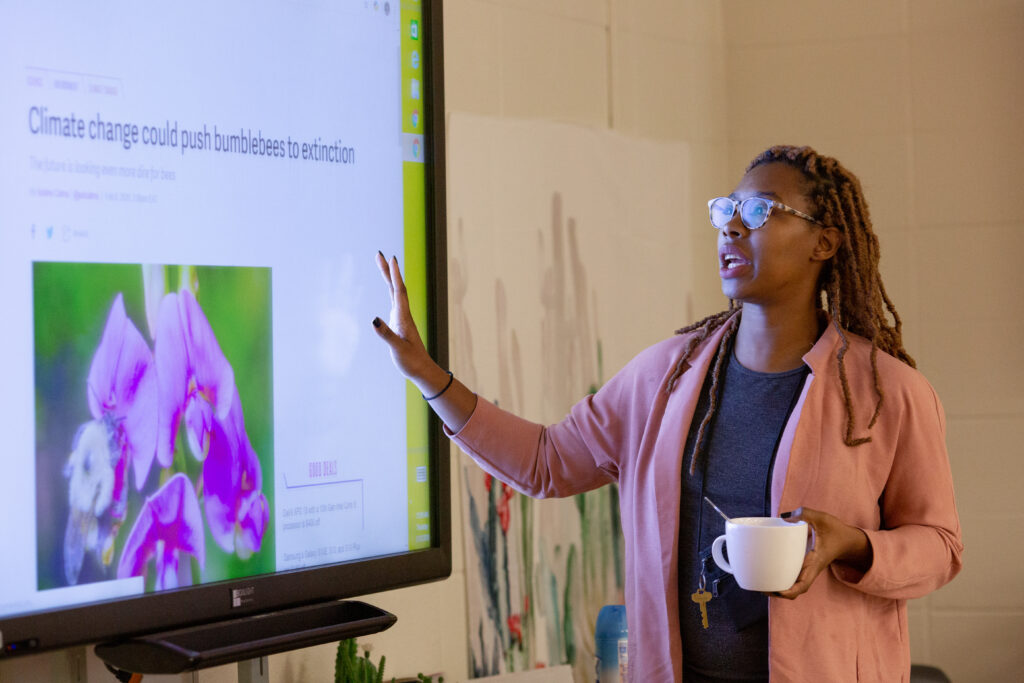
Classrooms have been modernized with large smart TVs replacing older projection systems, enabling teachers to share their screens and digital content more effectively.
While this increased access to information has been a boon, teachers also noted the increased effort required to keep students focused amidst the vastness of online resources.
Strategies for maintaining student engagement and preventing plagiarism became crucial skills.
Adapting Special Education for Remote and Hybrid Learning
For special education teachers, the challenges were particularly acute.
One dedicated educator, who had dreamed of teaching since childhood, found herself needing to adapt her methods for students with extensive support needs.
Recognizing that online learning was not accessible for all her students, she made weekly home visits, donning protective gear to ensure continuity of instruction.
Upon returning to school, she observed heightened social-emotional needs and unexpected behaviors among her young students, which left her and her colleagues exhausted.
Despite considering leaving the profession, she found renewed optimism as routines re-established and felt she was regaining her footing, demonstrating the profound dedication required in this specialized field.
The Tech-Savvy Educator
A sixth-grade teacher, who initially identified as a "pencil-paper guy," became a convert to educational technology during the pandemic.
He successfully learned and implemented online video conferencing, classroom management tools, and digital lesson delivery.
He credits his younger colleagues for their support and collaboration during this learning curve.
The technology has since become an integral part of his teaching, enhancing communication with parents and providing students with greater access to classroom materials.
He now feels more confident in his ability to use technology and is more willing to experiment with new teaching approaches.
Building Bridges Through Connection
A Spanish teacher emphasized the paramount importance of building strong connections with students, a principle that became even more critical after a year of isolation.
She believes that mutual respect and trust are the foundations of a positive learning environment, leading to minimal behavioral issues in her classroom.
She dedicates time to casual conversations with students, creating a welcoming space where they can feel comfortable and valued.
Her approach extends to advocating for classroom redesigns, such as replacing traditional desks with tables to foster collaborative learning, mirroring real-world work environments where teamwork and open communication are essential.
Looking Ahead: The Evolving Landscape of Education
The experiences of the past few years have irrevocably shaped the educational landscape.Teachers have demonstrated extraordinary resilience, adaptability, and a deep commitment to their students' well-being and academic success.
The integration of technology, while initially a necessity, has opened new avenues for personalized learning and enhanced communication.
Sustaining Momentum and Fostering Growth
As schools continue to move forward, the lessons learned during the pandemic remain invaluable.
The emphasis on social-emotional learning, individualized support, and innovative teaching methods must be sustained.
Teachers, empowered by their newfound technological skills and a deeper understanding of their students' needs, are well-positioned to create dynamic and effective learning environments.
The Role of professional development
Continuous professional development remains crucial for educators to stay abreast of evolving technologies and pedagogical approaches.
Platforms like Mentofy offer a wealth of resources and training opportunities designed to equip teachers with the skills and knowledge they need to thrive in the modern classroom.
By investing in educators, we invest in the future of our students.
Conclusion
The journey back from the Covid-induced disruptions has been a testament to the strength and dedication of educators.From mastering new technologies to addressing the complex social-emotional needs of students, teachers have navigated immense challenges with remarkable fortitude.
The innovations spurred by the pandemic, such as increased technological integration and a renewed focus on student well-being, have laid the groundwork for a more resilient, adaptable, and student-centered future in education.
The stories of teachers like Keith Carames, Sesar Carreño, Carly Bresee, Todd Shadbourne, and Erika Cedeno exemplify the spirit of innovation and unwavering commitment that defines the teaching profession, ensuring that learning continues to flourish for every student.




 Explore AI Teaching Tools
Comments (0)
Please login to comment
No comments yet
Be the first to comment on this article