
Beyond the Hesitation: How Disclosing a Stutter Transformed a Classroom Experience
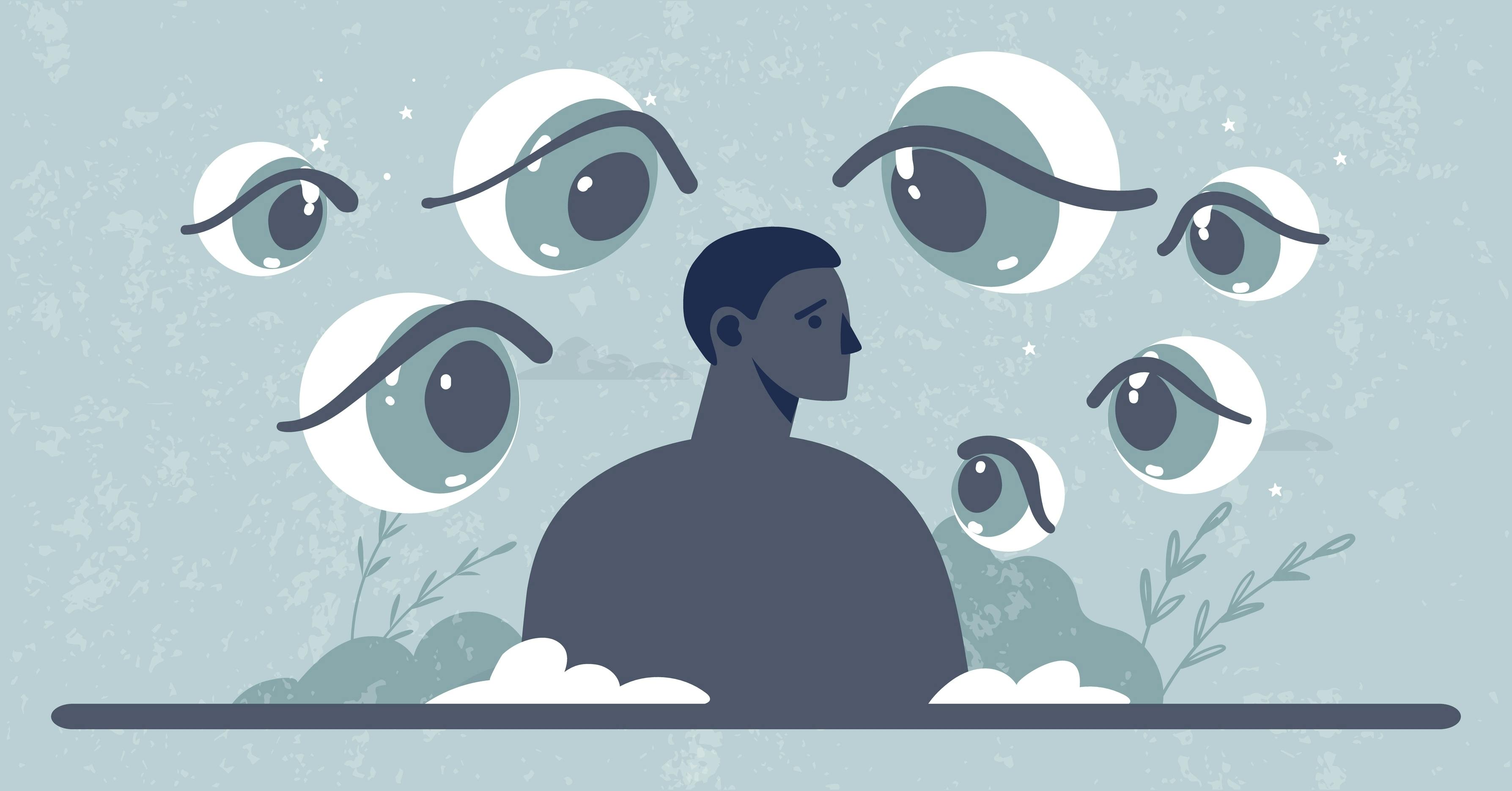
The familiar mix of excitement and apprehension that accompanies the first day of teaching can be amplified by unexpected anxieties. For one educator, the primary concern wasn't lesson planning or student engagement, but the potential reaction of 25 eager students to a deeply personal aspect of his identity: a speech disability.
The fear of doubt, of being perceived as less capable simply due to the way words emerge, loomed large. While previous one-to-one tutoring sessions had offered a degree of comfort, stepping into a full classroom setting, especially an online one, presented a new frontier of vulnerability.
The Amplified Spotlight of the Virtual Classroom
Teaching from across the country in Toronto to students in Vancouver, the online format felt like an intensified spotlight. The educator, who has lived with a stutter since the age of three, found the disembodied nature of virtual instruction particularly daunting.
A stutter, characterized by involuntary disruptions in speech such as prolongations, repetitions, and pauses, can make communication a challenging, yet often misunderstood, experience. Phrases like "Mmmmy name is Ssssssamuel" or "H-h-h-h-ello, h-h-h-h-how are you?" are hallmarks of this speech difference.
This particular speech disability, while affecting an estimated 1 percent of people globally, remains a subject of significant social stigma and pervasive misconceptions. The internal conflict for many individuals, including this educator, centers on the question of how to be an effective communicator, a teacher, when speech itself presents a hurdle.
This internal struggle was often mirrored by external judgments. A former teacher's blunt assessment, "I don’t think you should be in front of a classroom, especially with a stutter," exemplifies the deeply ingrained biases that people with speech disabilities can encounter.
Embracing Vulnerability as a Catalyst for Change
Two years prior to this particular teaching experience, a significant shift occurred. The educator embraced his speech disability, aligning it with a burgeoning career in accessibility justice. This acceptance, however, didn't entirely silence the persistent "what-if" thoughts that lingered.
The frustration of not being able to articulate thoughts seamlessly is compounded by the challenge of navigating others' perceptions. This is not a unique struggle to stuttering; it is a reality faced by many people with various disabilities.
A critical observation emerged: disability is too often an unspoken topic within educational settings. The lack of normalization means that stigma continues to thrive. It was this realization that propelled the educator to proactively disclose his stuttering to his students.
This act of disclosure was twofold: a personal challenge to his own anxieties and a deliberate effort to establish an open dialogue about disability within the classroom environment. Making this transparency a priority at the start of the term felt crucial.
The Power of a Well-Timed Joke
To break the ice and set a welcoming tone, the educator incorporated a touch of humor. "You might hear that I’m talking a little differently. I stutter. So we’re going to be here for quite a while," he quipped, eliciting laughter from the students.
Humor, in this context, served as a disarming tool, helping to alleviate potential concerns about disability for both the speaker and the audience. More importantly, it signaled that disability is not something to be hidden or ashamed of, but rather something to be integrated into conversations and daily life.
The educator believed that by welcoming disability into the classroom, the pervasive stigmas surrounding it could begin to erode. This approach aimed to create an environment where differences were not just tolerated, but understood and appreciated.
Curiosity Replaces Concern
To the educator's surprise and delight, the students responded with a blend of curiosity and genuine appreciation. Instead of judgment or discomfort, their reaction was one of engagement.
Several students actively sought to learn more, posing thoughtful questions about the lived experience of stuttering. Their inquiries delved into the nuances of the disability, such as:
- Do you stutter more in specific social situations?
- What about on specific words?
- What does it feel like when you stutter?
This outpouring of questions was a profound affirmation. It indicated that the students saw beyond the speech disability and were eager to understand it. The initial disclosure had successfully transformed into an educational moment, a genuine conversation about stuttering.
Remarkably, this discussion about stuttering occupied nearly a quarter of the class time. Disability, in its multifaceted nature, was openly acknowledged and explored, moving from the periphery to the center of the classroom dialogue.
A Ripple Effect of Openness
The impact of this transparency extended beyond the initial class session. Later, an email arrived from one of the students, expressing deep gratitude for the educator's openness. This student, inspired by the educator's courage, felt empowered to share their own experience with a learning disability.
This student's willingness to disclose their own challenges highlighted the profound ripple effect that can occur when individuals feel safe and encouraged to share their vulnerabilities. It underscored the transformative power of creating an inclusive and understanding environment.
This experience solidified the educator's conviction. Instead of succumbing to the anxieties of potential negative reactions or attempting to conceal his speech disability, he chose a path of radical transparency. The act of speaking up about lived experiences with disability is, in essence, a direct challenge to the social stigma that often surrounds it.
It is through such disclosures and the subsequent conversations that disability can begin to be normalized. The initial reluctance to share his speech disability faded, replaced by the certainty that this choice had not only put him at ease but had demonstrably made him a more effective educator.
Redefining Teaching Through Inclusion
The educator's journey illustrates a powerful truth: embracing and disclosing one's disability can be a profound act of empowerment, not just for the individual, but for the entire community. When educators feel comfortable sharing their authentic selves, they create space for students to do the same.
This fosters a richer learning environment where diverse perspectives are valued, and where students can develop empathy and a deeper understanding of the human experience. The classroom, when approached with openness and a willingness to discuss all aspects of identity, becomes a microcosm of a more inclusive society.
The initial fear of judgment was replaced by the realization that vulnerability can be a source of connection and learning. By choosing to speak openly about his stutter, the educator not only navigated his own anxieties but also opened a door for his students to engage with the concept of disability in a meaningful and humanizing way.
This approach suggests that the most impactful teaching often comes from a place of authenticity, where educators are not afraid to be themselves, challenges and all. The students' response was a clear indicator that when people are given the opportunity to understand, they often respond with compassion and a desire to connect.
The future of teaching, it seems, lies in cultivating environments where every student and every educator feels seen, heard, and valued, regardless of their differences. The courage to disclose can indeed lead to unexpected and profoundly positive transformations within the educational landscape.





 Explore AI Teaching Tools
Comments (0)
Please login to comment
No comments yet
Be the first to comment on this article