
Unlocking Literacy: Why Third Grade Reading Matters for Every Student
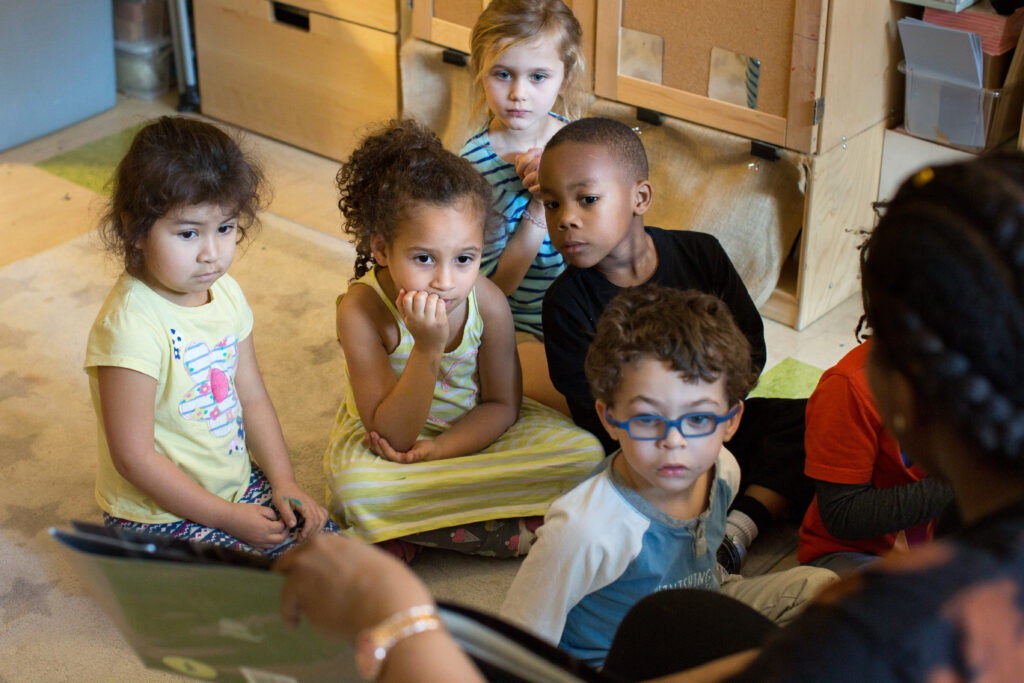
The ability to read proficiently by the third grade is a pivotal moment in a child's academic journey.It marks the transition from learning the mechanics of reading to using reading as a tool for acquiring knowledge across all subjects.
For many students, this foundational skill is a gateway to future success, but for others, particularly those from marginalized communities, the path to literacy can be fraught with challenges.
This article delves into the critical importance of third-grade reading proficiency, explores the systemic barriers that hinder progress, and outlines actionable strategies to ensure every student, regardless of background, can achieve reading success.
The Crucial Third Grade Reading Milestone
Third grade represents a significant developmental leap for young learners.Before this stage, children are primarily focused on decoding words and understanding basic sentence structures.
However, by the end of third grade, the expectation shifts dramatically.
Students are expected to move beyond simply sounding out words to comprehending complex texts, analyzing information, and forming their own interpretations.
This transition is often referred to as the shift from "learning to read" to "reading to learn."
Research consistently highlights the profound impact of this milestone.
Studies indicate that students who do not achieve reading proficiency by the end of third grade face significantly higher risks of academic struggle throughout their educational careers.
This includes a substantially increased likelihood of not graduating from high school.
The implications extend far beyond academic performance, affecting a student's self-esteem, confidence, and overall engagement with learning.
Why This Transition is So Important
- Foundation for All Learning: Proficient reading is the bedrock upon which all other academic disciplines are built.
Without it, students struggle to access information in science, social studies, mathematics, and even the arts.
- Cognitive Development: Reading complex texts stimulates critical thinking, problem-solving skills, and the ability to synthesize information from various sources.
- Vocabulary Expansion: Exposure to diverse reading materials naturally broadens a student's vocabulary, enhancing their ability to communicate effectively both in writing and verbally.
- Building Confidence: Successfully navigating the world of reading fosters a sense of accomplishment and self-efficacy, encouraging students to tackle new academic challenges.
Systemic Barriers Affecting Reading Proficiency
While the importance of third-grade reading is widely acknowledged, a stark reality exists for many students: systemic inequities create significant obstacles to achieving this crucial benchmark.These barriers are not individual failings but rather deeply embedded issues within educational systems that disproportionately impact certain student populations.
Studies indicate that for Black students, the challenges are often compounded by a confluence of factors.
These can include disparities in school funding, leading to fewer resources and outdated materials.
Furthermore, issues such as disproportionate disciplinary actions, which can lead to lost instructional time, and a lack of access to highly qualified and culturally responsive teachers can further impede progress.
This creates a cycle where students who need the most support often receive the least.
Disparities in Educational Opportunities
- Underfunded Schools: Schools in lower-income areas often receive less funding, resulting in larger class sizes, fewer support staff (like reading specialists), and limited access to up-to-date educational technology and resources.
- Teacher Quality and Diversity: A shortage of qualified teachers, particularly in underserved communities, and a lack of diversity among educators can impact student engagement and the ability to connect with learning materials.
The presence of Black educators, for instance, can serve as powerful role models and provide unique insights into the experiences of Black students.
- curriculum and Representation: Educational materials that do not authentically reflect the identities and experiences of all students can lead to disengagement.
When students don't see themselves in the books they read, their motivation and connection to the material can suffer.
- Access to Early Intervention: While universal screening for reading difficulties is a positive step, its effectiveness hinges on robust investment in teacher training and equitable intervention strategies.
Without this, screening alone can be insufficient and may even lead to misdiagnosis or tracking students into less rigorous academic paths.
The Critical Role of Early Literacy Intervention
Addressing the literacy gap requires a proactive and intentional approach that begins long before third grade.Early identification of reading difficulties and the implementation of evidence-based interventions are paramount.
This is not about remediation after a student has fallen behind, but about providing the right support at the right time to prevent struggles from taking root.
Research shows that explicit, systematic phonics instruction is a highly effective method for start teaching on Mentofy">teaching foundational reading skills.
This approach breaks down the relationship between letters and sounds, helping students decode words with accuracy and fluency.
However, the implementation of such strategies must be differentiated to meet the diverse needs of all learners.
This means recognizing that students learn at different paces and require varied approaches to master reading.
Strategies for Effective Literacy Intervention
- Explicit Phonics Instruction: Teachers should be trained in and implement structured phonics programs that systematically teach letter-sound correspondences, blending, and segmenting skills.
- differentiated instruction: Recognizing that students have unique learning styles and needs, educators must tailor their teaching methods and provide individualized support.
This might involve small group instruction, one-on-one tutoring, or the use of assistive technology.
- Reading Specialists and Coaches: Investing in literacy coaches and specialists who can support teachers in implementing effective reading strategies and provide targeted interventions for struggling readers is crucial.
- Culturally Responsive Curricula: Schools should prioritize literacy materials that reflect the diverse backgrounds and experiences of their students.
This includes selecting books that feature characters and stories that resonate with students, fostering a deeper connection to reading.
- Family Engagement: Empowering families with the resources and knowledge to support literacy development at home is a vital component of a comprehensive literacy plan.
This can include workshops, take-home reading kits, and clear communication about their child's progress.
Fostering a Love for Reading: Beyond the Classroom
The journey to literacy extends beyond the structured environment of the classroom.Cultivating a genuine love for reading requires creating opportunities for students to engage with text in ways that are enjoyable and personally meaningful.
This means embracing a broad definition of what constitutes "reading" and encouraging exploration across various formats.
It's essential to move away from the outdated notion that literacy only counts when students are reading assigned academic texts.
If the goal is to improve reading skills and foster a lifelong habit, then promoting reading by any means necessary is key.
This includes celebrating the value of picture books, comic books, graphic novels, and any other form of literature that captures a student's interest.
The act of a student holding a book and engaging with its content is a significant win, regardless of the genre.
Expanding the Definition of Reading
- Diverse Reading Materials: Ensure access to a wide array of books and reading materials that cater to different interests, reading levels, and cultural backgrounds.
This includes popular fiction, non-fiction, magazines, and digital content.
- Promoting Choice: Allowing students to choose what they read can significantly boost engagement and motivation.
This autonomy empowers them to take ownership of their learning.
- Reading for Pleasure: Create dedicated time for independent reading for pleasure in schools.
This can be a quiet reading period, a book club, or author visits that inspire students.
- Integrating Technology: Utilize educational apps, interactive e-books, and online reading platforms that can make reading more engaging and accessible, especially for students who benefit from digital learning tools.
- Community Reading Initiatives: Partner with libraries, community centers, and local organizations to promote reading events, book drives, and summer reading programs that extend literacy support beyond the school day.
The Power of Representation in Literacy
The presence of educators who reflect the diversity of the student population plays a crucial role in fostering academic success and a sense of belonging.For Black students, having Black teachers and administrators can provide invaluable mentorship, understanding, and a crucial connection to their educational experience.
When students see individuals who share their background succeeding in educational leadership and teaching roles, it can profoundly impact their aspirations and self-perception.
These educators can serve as powerful role models, demonstrating that academic achievement is attainable and that their voices and experiences are valued within the educational system.
This representation is not just about optics; it's about creating an environment where all students feel seen, understood, and supported.
Benefits of Diverse Educators
- Role Models and Mentors: Educators from similar backgrounds can serve as inspirational figures, showing students what is possible and providing guidance based on shared experiences.
- Cultural Competence: Diverse educators often bring a deeper understanding of the cultural nuances and lived experiences of their students, allowing for more effective and empathetic teaching.
- Building Trust and Rapport: Shared cultural understanding can foster stronger relationships between students and teachers, leading to increased trust and improved communication.
- Challenging Stereotypes: The presence of diverse educators in leadership and teaching positions helps to break down stereotypes and demonstrate the wide range of talents and capabilities within all communities.
Conclusion
The ability of every student to read proficiently by third grade is not merely an educational goal; it is a fundamental right and a cornerstone of equitable opportunity.The challenges faced by many students, particularly Black children, in achieving this milestone are deeply rooted in systemic inequities that demand urgent attention.
By understanding the critical nature of this developmental stage, acknowledging the barriers that exist, and implementing targeted, evidence-based strategies, we can create a more just and effective educational system.
Mentofy is committed to supporting this vital mission by providing accessible, high-quality learning resources and professional development opportunities for educators worldwide.
Investing in early literacy, championing diverse representation in education, and fostering a genuine love for reading are not just educational imperatives; they are investments in a brighter future for all students.
The work of ensuring universal literacy is ongoing, and it requires a collective effort from educators, families, policymakers, and communities to translate plans into tangible progress and empower every child to reach their full potential.






 Explore AI Teaching Tools
Comments (0)
Please login to comment
No comments yet
Be the first to comment on this article