

California Students Face Growing Food Insecurity: A Deep Dive into the Challenges and Solutions
The rising cost of living in California is creating significant hurdles for students, impacting their ability to focus on learning and thrive.This article explores the multifaceted issue of food insecurity among California students, examining the contributing factors, the profound effects on academic performance, and potential pathways toward a more supportive educational environment for all families.
We'll delve into the realities faced by students and their families, offering insights that resonate with the global learning community.
The Widening Gap: Food Insecurity's Grip on California Families
A significant portion of Californians are experiencing financial strain, leading to difficult choices about essential needs.Research indicates that a substantial percentage of households have had to reduce their food consumption or cut back on meals to manage their budgets.
This is particularly acute for families with young children, where the struggle to meet basic needs like housing, utilities, healthcare, and childcare is amplified.
For many, the current economic climate has made it challenging to provide adequately for their children, a stark contrast to previous years where such reliance on external support was not the norm.
The impact of these economic pressures is felt deeply, affecting the daily lives and future prospects of countless students.
The Personal Impact: Stories from the Ground
Consider the experience of families like Rosalba Ortega's in Bakersfield.A challenging winter, coupled with rising rent and food prices, has made it difficult to secure essential items.
For Ortega, a farmworker, inconsistent work in the fields exacerbates the financial strain.
Delays in vital programs, such as the Supplemental Nutrition Assistance Program (SNAP), known in California as CalFresh, have hit her family hard, especially when putting food on the table is already a daily struggle. "There’s not much food for them," she shared, highlighting the necessity of seeking out lower-priced options and relying on community resources like shelters and churches for assistance.
This situation underscores how economic hardship forces families to make difficult compromises, impacting the well-being of their children.
The Ripple Effect: How Food Scarcity Hinders Academic Success
The connection between adequate nutrition and a student's ability to learn is undeniable.Studies consistently show that when students experience hunger or food insecurity, their concentration and engagement in the classroom suffer significantly.
This can manifest in various ways, affecting their behavior, their ability to absorb information, and ultimately, their academic performance.
Experts emphasize that challenges faced outside of school hours can have a profound and lasting impact on a student's capacity to learn while they are in school.
The Nutritional Compromise: Ultra-Processed Foods and Learning
When families are under financial pressure and struggling to afford sufficient food, they often turn to less nutritious, ultra-processed options.Research indicates that this shift in dietary habits can occur when food aid programs experience disruptions or when budgets are severely constrained.
The consequences of relying on such foods can be detrimental to a child's cognitive function and overall health, further impeding their ability to succeed academically.
This creates a cycle where economic hardship leads to poor nutrition, which in turn hinders educational attainment.
Policy Shifts and Their Consequences: Federal and State Impacts
Recent policy changes at the federal level have introduced further challenges for low-income students and their families.Budget proposals and legislative actions have led to reductions in crucial support programs like SNAP and Medi-Cal.
These cuts, coupled with potential shifts in the federal approach to education, raise concerns about the long-term availability of resources for vulnerable student populations.
The federal government's actions, including potential staffing reductions in programs that serve those most affected by hunger and economic distress, such as migrant, multilingual, homeless, and students of color, warrant careful consideration.
State-Level Responsibility: Supporting California's Most Vulnerable
In light of federal changes, the responsibility falls on state governments to ensure that essential support systems remain robust.California has an opportunity to address the needs of its families by maintaining and strengthening existing programs.
Advocacy efforts are focused on ensuring that the state does not withdraw support from initiatives designed to assist these students.
Continuing to fund a school funding formula that provides additional resources for schools serving low-income and vulnerable students is paramount.
The community schools model, in particular, is highlighted as a responsive approach that can better meet the diverse needs of families.
The Alarming Trend: Young Children and Basic Needs Struggles
The data regarding families with young children is particularly concerning.A significant majority of these families report struggling with one or more basic needs, including food, housing, utilities, healthcare, and childcare.
This trend has been escalating over time, with a notable increase in reported difficulties in recent years.
Research consistently demonstrates a direct link between economic hardship experienced by parents and increased stress, which can then be passed on to children, impacting their well-being and development.
The Post-Pandemic Reversal: Eroding Support Systems
The period of the pandemic saw the implementation of supportive measures, such as expanded child tax credits, increased SNAP and WIC benefits, and stimulus checks.These initiatives helped alleviate material hardship and emotional distress for many parents of young children.
However, as these benefits have expired, a reversal of this positive trend has been observed, with families once again facing significant challenges in meeting their basic needs.
This highlights the critical role of these support systems in buffering families against economic shocks.
Voices from the Community: The Struggle to Make Ends Meet
Parents and caregivers often articulate their struggles in their own words, painting a clear picture of the difficulties they face.Many express working hard but finding it insufficient to cover the rising costs of rent, healthcare, and food in California.
They highlight that even full-time employment does not guarantee financial stability in the current economic climate.
Concerns are also raised about the potential impact of federal budget cuts on essential benefits like Medi-Cal and CalFresh, further compounding their anxieties.
Beyond K-12: College Students Grapple with Basic Needs
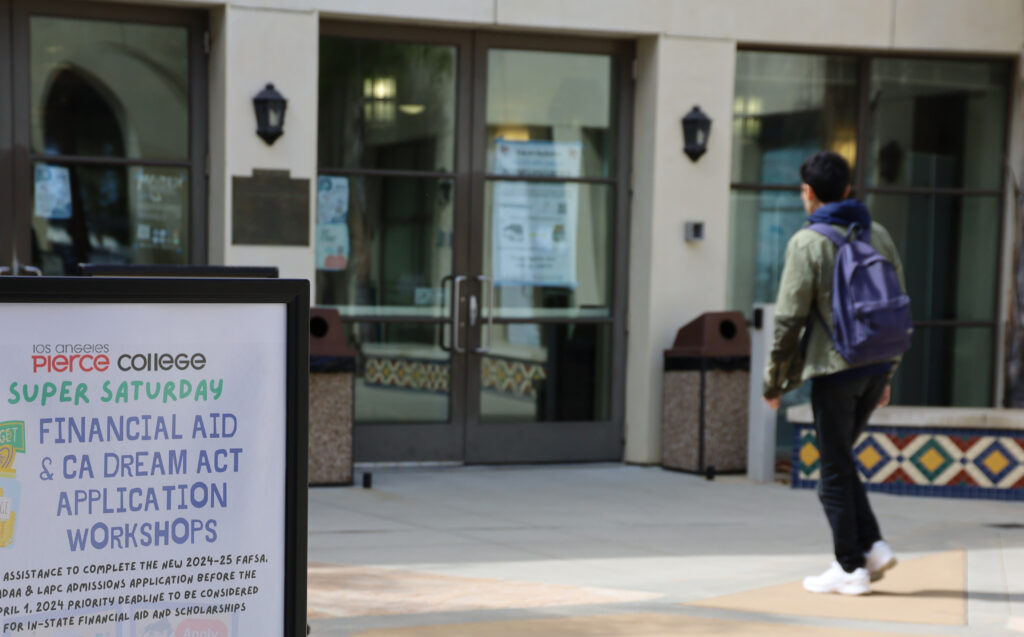
The challenges of food insecurity and basic needs insecurity extend to college students, who often lack the guaranteed meal programs available to K-12 students.Many college students seek assistance from campus basic needs centers due to specific crises, such as job loss.
However, there's a growing trend of students presenting with broader financial pressures, struggling to afford rent, utilities, and food due to the overall increase in living costs.
They often can't pinpoint a single cause but simply state they can no longer afford their basic necessities.
The Threat to Higher Education and Future Workforce
The implications of unmet basic needs for college students are significant.Without their fundamental needs being met, students struggle to focus on their studies, increasing the risk of delayed graduation or even dropping out.
This is particularly concerning for students from low-income backgrounds who rely on higher education as a pathway to break cycles of poverty.
Ensuring that college students have their basic needs met is crucial for their academic success and for building a stronger future workforce.
Conclusion: A Call for Comprehensive Support for California's Students
The evidence is clear: food insecurity and the struggle to meet basic needs are significant challenges impacting California students across all educational levels.From young children to college students, economic pressures are creating barriers to learning and well-being.
Addressing this complex issue requires a multi-pronged approach, involving robust federal and state policies, strong community support systems, and a commitment to ensuring that all students have the resources they need to thrive.
Mentofy is dedicated to fostering a learning environment where every student has the opportunity to succeed, free from the debilitating effects of hunger and insecurity.
By understanding these challenges, we can work together to build a more equitable and supportive future for all learners.






 Explore AI Teaching Tools
Comments (0)
Please login to comment
No comments yet
Be the first to comment on this article