
Championing Educational Equity: A Deep Dive into Student Rights and Systemic Improvements
Navigating the complexities of modern education can be challenging for students, families, and educators alike.From ensuring equitable access to financial aid to safeguarding civil rights within school walls, the journey toward a truly inclusive and effective learning environment requires constant vigilance and proactive strategies.
This article explores the critical issues facing students today, offering insights into how we can collectively work towards a more just and supportive educational landscape.
What are the fundamental rights every student possesses, and how can they be better protected?
Let's delve into the core of these pressing questions.
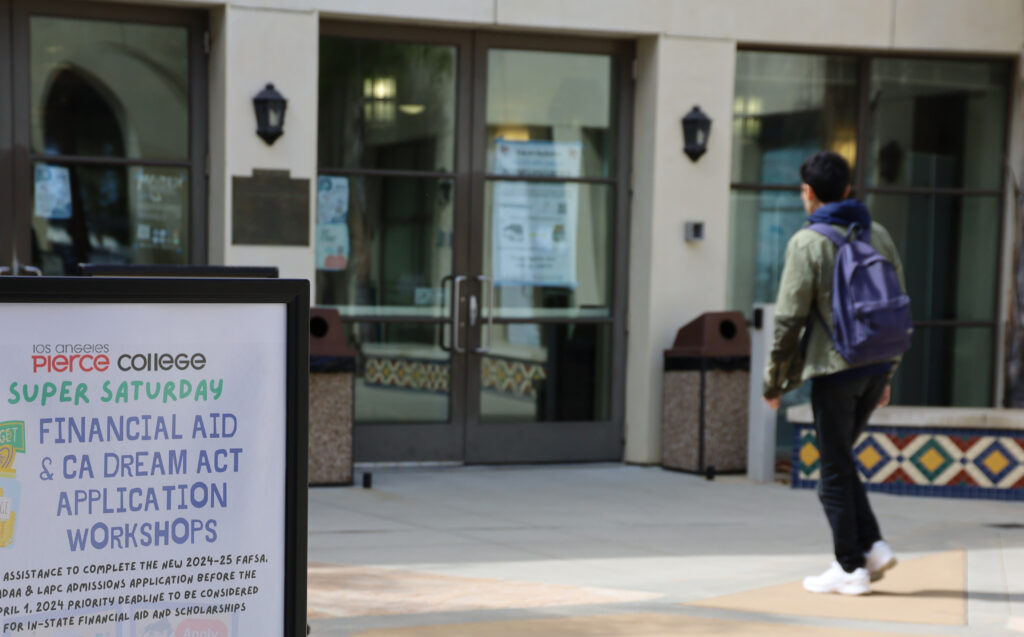
Navigating the FAFSA Maze: Ensuring Access to Higher Education
The Free Application for Federal Student Aid (FAFSA) is a cornerstone for many students seeking to finance their higher education.However, recent years have presented significant hurdles in its accessibility, creating anxiety and uncertainty for countless individuals.
Understanding the gravity of these disruptions is paramount.
When the system falters, it's not just a bureaucratic hiccup; it directly impacts students' ability to pursue their academic dreams.
Addressing FAFSA Delays and Their Impact on Students
The frustration experienced by students and families during FAFSA rollout issues cannot be overstated.Delays and setbacks can jeopardize college enrollment and financial planning.
It's crucial that educational institutions and governing bodies acknowledge these challenges and implement robust solutions.
The commitment to improving this system year after year is vital, ensuring that the promise of higher education remains within reach for all students.
This involves a collective effort, with colleges, school leaders, parents, and community partners working hand-in-hand to streamline the process and provide necessary support.
Prioritizing Student Support: Beyond Financial Aid
While streamlining FAFSA is essential, it's important to recognize that educational equity encompasses more than just financial aid access.The broader agenda to fix a broken system includes addressing issues like student loan debt and ensuring that resources are allocated effectively.
For students who are the first in their families to attend college, these systems can feel particularly daunting.
Therefore, a comprehensive approach that tackles systemic challenges and provides targeted support is indispensable.
This includes efforts to reform loan forgiveness programs and ensure that individuals serving their communities have their educational debts acknowledged and alleviated.
Upholding Civil Rights in Education: Protecting Every Student's Dignity
The educational environment should be a sanctuary for learning and growth, free from discrimination and prejudice.Unfortunately, recent trends indicate an increase in practices that promote exclusion and target vulnerable student populations.
The Office of Civil Rights plays a critical role in safeguarding students' fundamental rights and ensuring that schools are safe and welcoming spaces for everyone.
The Growing Load on Civil Rights Enforcement
The Office of Civil Rights faces an escalating demand for its services, driven by an influx of exclusionary practices and divisive policies being enacted in various states.These policies often create an environment where students feel unwelcome and marginalized.
To effectively address these concerns, adequate funding for investigators is essential.
Proactive measures, such as developing guidance resources and fostering partnerships with educational institutions, are also key.
The goal is not merely to react to incidents but to prevent them by fostering a culture of inclusivity and respect.
Timely Resolution and Restitution for Harmed Students
Investigating civil rights violations can be a complex and time-consuming process.The nature of the initial request may evolve as investigations progress, requiring thorough on-the-ground examination.
The priority for the Office of Civil Rights is not just to identify wrongdoing but to ensure that harmed students receive restitution and that measures are put in place to prevent future occurrences.
Highlighting successful resolutions serves as a valuable learning opportunity for other institutions, reinforcing the importance of upholding student rights.
Navigating Divisive Climates: Defending Inclusive Educational Practices
The current educational landscape is often marked by intense scrutiny and political interference, impacting how educators can foster inclusive environments.Leaders are increasingly navigating challenges that threaten to undermine the very principles of equity and belonging that are crucial for student success.
Combating Political Interference and Promoting Welcoming Schools
When political agendas begin to dictate educational practices, the focus shifts away from the needs of students.Leaders are often caught in a difficult position, trying to balance external pressures with their commitment to creating supportive learning environments.
It is imperative that the political sphere does not dictate the fundamental right of students to feel welcome, seen, and respected for who they are.
This requires a steadfast commitment to protecting students from divisive rhetoric and ensuring that their educational experience is free from undue political influence.
Addressing Book Bans and Protecting Diverse Narratives
The rise of book bans in educational settings is a significant concern, particularly when a disproportionate number of banned materials address LGBTQI or BIPOC themes.These actions often stifle open dialogue and limit students' exposure to diverse perspectives and experiences.
What was once a private concern is now openly debated, highlighting the need for vigilance.
Educators are instrumental in creating communities where students feel supported, and the department is committed to providing resources and guidance to help districts navigate these challenging situations and uphold students' rights.
Post-COVID Educational Recovery: Rebuilding and Strengthening Learning
The COVID-19 pandemic presented unprecedented challenges to the education sector, disrupting learning and exacerbating existing inequities.The focus now is on comprehensive recovery strategies that address academic gaps, mental health needs, and the overall well-being of students.
The "Raise the Bar" Strategy and Comprehensive Schooling
The "Raise the Bar" strategy emphasizes a holistic approach to education, recognizing that student success is intertwined with their overall well-being.Investments in full-service community schools are crucial for addressing chronic absenteeism and fostering parent engagement.
Furthermore, expanding career pathways and teacher apprenticeship programs are vital for preparing students for future success and strengthening the teaching profession.
Prioritizing Mental Health and Supporting Educators
The pandemic has underscored the critical importance of mental health support in schools.Increasing the number of school social workers, counselors, and nurses is a significant step towards ensuring that students have access to the resources they need to thrive.
Simultaneously, efforts to elevate the teaching profession, address teacher shortages, and improve the affordability and accessibility of higher education are essential for building a resilient and effective educational system.
Ensuring Equity in Higher Education: Addressing Systemic Barriers
The path to higher education is often paved with systemic barriers that disproportionately affect certain student populations.Addressing these challenges requires a commitment to equity, access, and a deep understanding of the diverse needs of students.
Examining Civil Rights in the Context of Campus Discourse
Discussions surrounding issues like anti-Zionism and their potential impact on Jewish students' civil rights are complex and require careful consideration.When a student feels attacked or harassed based on their identity, faith, or origin, it is the responsibility of educational institutions to act.
Investigations by the Office of Civil Rights are crucial for reviewing such claims and ensuring that appropriate measures are taken to protect students.
The department takes into account the nuances of these situations, recognizing the executive board's directives in its investigations.
The Value of Diversity, Equity, and Inclusion (DEI) Programs
Diversity, Equity, and Inclusion (DEI) programs are designed to foster welcoming and supportive campus environments for all students.These programs are essential for creating a culture where students can engage in respectful dialogue, even when disagreements arise.
For students who are the first in their families to attend college, these programs can be transformative, providing a sense of belonging and validation.
Addressing the myth that DEI programs benefit only a select few is crucial; instead, they are vital for ensuring that every student feels seen, valued, and unapologetic for who they are.
Combating Absenteeism and Supporting Student Engagement
Chronic absenteeism is a significant obstacle to student success, hindering academic progress and overall well-being.Addressing this challenge requires targeted interventions and robust support systems.
Funding Initiatives to Reduce Absenteeism
Full-service community schools play a pivotal role in combating absenteeism by providing comprehensive support services that address the underlying causes of disengagement.Increased funding for these initiatives, coupled with grant opportunities, is essential for empowering districts to implement effective attendance strategies.
A significant portion of proposed budgets is dedicated to tackling chronic absenteeism, recognizing its profound impact on students.
Guidance on Navigating Book Bans and curriculum Decisions
Decisions regarding curriculum and educational materials are primarily state-level responsibilities.However, the department's Office of Civil Rights can provide support and guidance to districts navigating complex situations, including those involving book bans.
Culturally relevant teaching, which incorporates materials that reflect the diversity of the country, can significantly enhance student engagement.
When students feel that their experiences and backgrounds are acknowledged and valued, they are more likely to feel welcome and connected to their education.
Prioritizing Special Education: Ensuring Inclusive and Well-Funded Services
Special education is a critical component of a comprehensive educational system, ensuring that students with disabilities receive the support they need to thrive.Adequate funding and qualified educators are paramount to the success of these programs.
The Importance of Funding for Students with Disabilities
When public education funding is insufficient, students with disabilities are often among the hardest hit.High student-to-teacher ratios and limited resources can create significant challenges for both students and educators.
The commitment to defending public education must include a steadfast focus on ensuring that public education dollars reach students with disabilities.
Every teacher should be equipped to serve students with disabilities, and resources should be integrated rather than segregated, ensuring that all students benefit from a well-funded and inclusive educational environment.
Effective Use of COVID Relief Funds for Student Success
The effective allocation of COVID relief funds is crucial for addressing academic recovery, mental health support, and facility safety.As these funds sunset, the responsibility shifts to state and local leaders to sustain the progress made.
Data consistently shows that when these funds are used strategically, they lead to improved student outcomes, closed achievement gaps, and enhanced mental health support.
It is imperative that we do not lose momentum and continue to prioritize these essential areas.
Conclusion: Building a Future of Educational Equity and Opportunity
The journey toward educational equity is ongoing, requiring a steadfast commitment to addressing systemic challenges, upholding student rights, and fostering inclusive learning environments.From streamlining financial aid processes like FAFSA to safeguarding civil rights and supporting students' holistic well-being, every aspect of education plays a vital role.
By focusing on what truly works in the classroom, championing diversity, and ensuring adequate funding for all students, we can build a future where every learner has the opportunity to reach their full potential.
This is about being student-centered, bold, and unwavering in our pursuit of a more just and equitable education for all.






 Explore AI Teaching Tools
Comments (0)
Please login to comment
No comments yet
Be the first to comment on this article