
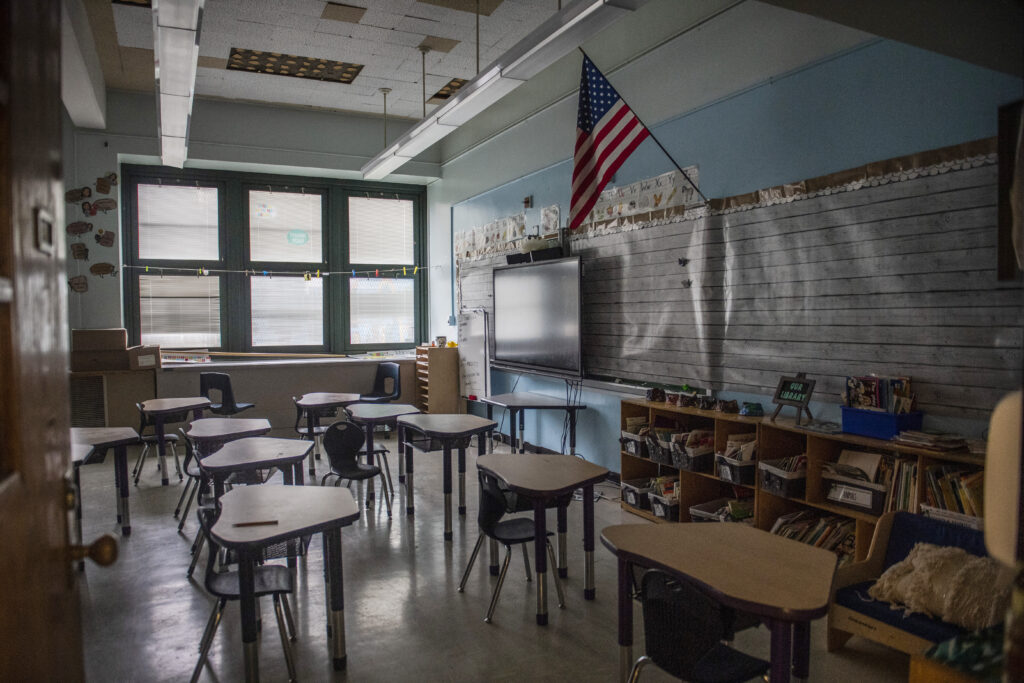
Navigating Uncertainty: Supporting Children Through Community Tensions and Immigration Enforcement
The landscape of our communities can sometimes feel unpredictable, especially for children who are sensitive to the anxieties and changes around them.When immigration enforcement activities create a climate of fear, it's crucial for families to have the tools and knowledge to support their children's emotional well-being.
This guide offers practical strategies and insights for parents, caregivers, and educators to help children navigate these challenging times, fostering resilience and a sense of security.
Understanding Children's Emotional Responses to Community Events
Children process the world around them through the lens of their experiences and the information they receive.When events like immigration raids or deportations occur, they can trigger a range of emotions, from confusion and fear to anxiety and sadness.
It's important to recognize that these reactions are normal responses to perceived threats or instability.
Studies indicate that children are particularly vulnerable to the emotional impact of such events, especially when they witness or hear about them directly or through media.
The absence of familiar routines, like those provided by the school year, can further exacerbate these feelings during breaks, leading to increased isolation and reliance on digital platforms, which may not always offer a supportive environment.
The Impact of Unstructured Time
Research shows that the summer months, while offering a break from academic pressures, can also present unique challenges for children's mental health.Without the structured support systems of school, such as access to counselors and consistent social interaction, children may experience heightened feelings of loneliness and worry.
This unstructured time, coupled with increased social media engagement, can amplify anxieties, making it harder for them to process difficult news or events.
For families, this means proactively creating opportunities for connection and emotional expression when school is not in session.
Fostering Open Communication and Validation
One of the most powerful ways families can support their children is through honest and age-appropriate conversations.Shielding children from difficult realities can inadvertently erode trust and leave them feeling unprepared.
Instead, initiating dialogue about what they've heard and how they are feeling is paramount.
Guiding the Conversation
When discussing sensitive topics, it's beneficial to start by asking open-ended questions like, "What have you heard about what's happening?" and "How does that make you feel?" This approach empowers children to share their perspectives and emotions.It's essential to validate their feelings, whether they express confusion, fear, or sadness, acknowledging that these are natural reactions.
For younger children, avoid overwhelming them with graphic details, while older children might benefit from a more nuanced understanding, with guidance on managing their exposure to social media.
The goal is to reassure them of their safety and the family's support, rather than dismissing their fears, as acknowledging their emotions builds a stronger foundation of trust.
Understanding Family Risk and Safety
It's also important for children, in a way that is understandable for their age, to have a general awareness of their family's situation regarding immigration policies and their potential exposure to enforcement actions.This doesn't mean instilling fear, but rather providing a realistic context.
For instance, explaining whether a family member might be at risk of detention or if they might encounter immigration agents in public spaces can help children feel more prepared.
Parents can offer reassurance by focusing on the family's preparedness and support systems, rather than simply telling them not to be afraid, as fear is a valid response to uncertainty.
Developing Emergency Preparedness Plans
In situations where there is a risk of detention or deportation, having a clear and rehearsed emergency plan can significantly reduce anxiety for both children and adults.This proactive approach can empower families and ensure that essential information and support are in place.
Empowering Older Children
For children aged 12 and older, involving them in the planning process can be particularly beneficial.Role-playing scenarios where they might need to contact legal assistance or gather information about encounters with immigration agents can build their confidence and sense of agency.
This could include practicing how to record details like badge numbers or descriptions, if it is safe to do so.
Ensuring that key family members and emergency contacts have crucial information, such as an A-Number if applicable, is also a vital step.
Familiarizing older children with resources for locating detained individuals can provide them with a sense of control.
Ensuring Childcare Continuity
A critical aspect of emergency preparedness is establishing a reliable childcare plan.During periods when children may spend more time at home, families need to consider who will care for them if a parent or guardian is detained or deported.
This could involve informal arrangements with trusted relatives, friends, or neighbors, where a verbal agreement is made.
It's important to note that such informal arrangements may not grant legal authority for decision-making.
For more formal arrangements, families can explore options like a Caregiver's Authorization Affidavit, which can grant legal authority for medical and school-related decisions, or, in more complex situations, seeking legal counsel regarding court-appointed guardianship.
U.S. citizen children should have their passports readily accessible, along with important medical information.
Walking children through these plans and assuring them of their continued care is essential.
If families face challenges in creating these plans or become unhoused, seeking assistance from school Pupil Services and Attendance counselors can provide access to vital support and resources.
Accessing Remote Mental Health Support
The fear of seeking in-person care, coupled with the absence of school-based services during breaks, can leave many children without adequate mental health support.Fortunately, a growing number of remote and accessible resources are available to help children manage their emotional well-being.
Utilizing Digital Wellness Programs
Programs like BrightLife Kids, often part of broader state initiatives, offer online behavioral health support through one-on-one coaching, educational tools, and peer communities.These services are designed to help children aged 0-12, as well as their parents and caregivers, manage worries, express emotions, and build resilience.
Services are typically available in multiple languages and do not require U.S. citizenship or health insurance.
Similarly, platforms like Soluna provide free, confidential mental health support for adolescents and young adults, offering coaching and peer support groups focused on various areas of concern.
These digital platforms are invaluable for providing consistent support, regardless of a family's immigration status or access to traditional healthcare.
Leveraging School and Community Resources
Many school districts offer year-round mental health services through wellness centers, which may include specialized support for children and families who have experienced trauma.These centers often have psychiatric social workers who can provide therapeutic interventions.
Families can also access direct support through district helplines or by submitting referral forms for in-person or telehealth counseling.
Even if a child is not enrolled in summer programs, they may still have access to these services, ensuring that support is available when needed most.
Cultivating Family Resilience Through Healthy Coping Mechanisms
Building a family's mental health toolkit, much like an emergency preparedness kit, is a proactive strategy for navigating stressful situations.Research consistently shows that even simple mindfulness practices can significantly mitigate the negative effects of stress and trauma.
Mindfulness and Emotional Regulation
Introducing techniques such as box breathing, the butterfly hug, guided meditation, and positive affirmations can help children regulate their nervous systems, manage anxiety, and improve their overall well-being.Practicing these techniques together as a family not only models calming behaviors but also strengthens emotional resilience within the family unit.
These practices are especially effective when adapted for diverse linguistic and cultural backgrounds.
Prioritizing Positive Outlets and Routines
It's vital to encourage children to engage in activities that bring them joy and provide a healthy outlet for their emotions.Whether it's sports, writing, art, music, or dance, having a creative or physical way to process feelings is crucial.
Maintaining healthy routines and hobbies during the summer, especially those that foster social connection with peers, can create a sense of normalcy and stability for children.
Data indicate that during unstructured summer periods, adolescents may experience increased substance use and feelings of sadness, highlighting the importance of structured, positive engagement.
Conclusion
Navigating the complexities of community tensions and immigration enforcement requires a compassionate and informed approach.By fostering open communication, developing robust emergency plans, and leveraging available mental health resources, families can empower their children to cope with uncertainty and build resilience.
At Mentofy, we are committed to providing educational resources that support families in these critical areas, ensuring that every child has the opportunity to thrive, regardless of the challenges they face.
The well-being of their children is paramount, and with the right strategies and support, families can face these situations with strength and unity.







 Explore AI Teaching Tools
Comments (0)
Please login to comment
No comments yet
Be the first to comment on this article