
Unlock Your Potential: A Comprehensive Guide to Adult Education in California
Embarking on a journey of learning as an adult can be a transformative experience, opening doors to new opportunities and personal growth.
For many Californians, the path to achieving a high school education, mastering English, or acquiring new career skills is more accessible than they might imagine.
This guide is designed to illuminate the wealth of resources available, empowering adults to pursue their educational goals and enhance their lives.
1.
The Crucial Role of Adult Education in California
In today's dynamic world, continuous learning is paramount.
Many adults find themselves needing to revisit foundational education, improve language proficiency, or pivot to new career paths.
California's robust adult education system is specifically designed to meet these diverse needs, offering a lifeline to individuals who may have faced educational challenges or are seeking to adapt to evolving societal and economic landscapes.
These programs are not just about acquiring credentials; they are about building confidence, fostering independence, and enabling fuller participation in community life.
Studies indicate that a significant portion of the Californian population faces hurdles with basic literacy and English language skills.
This can profoundly impact their ability to secure well-paying jobs, navigate essential services, and support their families.
Adult education initiatives directly address these gaps, providing tailored support to help individuals overcome these obstacles and thrive.
2.
Who Benefits from Adult Education Programs?
The beauty of California's adult education system lies in its inclusivity.
Anyone aged 18 and over is eligible to access these valuable resources.
The programs are thoughtfully structured to cater to a wide spectrum of learners, including:
- Adults who did not complete high school: Providing a pathway to earn a high school diploma or its equivalent.
- Newcomers and immigrants: Offering comprehensive English language instruction and civics education to facilitate integration.
- Individuals seeking career advancement: Delivering vocational training and skill development for in-demand jobs.
- Parents and guardians: Equipping them with the skills to better support their children's academic success.
- Adults with disabilities: Providing specialized support and adaptive learning environments.
- Those seeking to improve life skills: Offering classes in areas like financial literacy and digital competence.
The focus is on providing accessible and relevant education that empowers adults to achieve their personal and professional aspirations.
3.
Pathways to Learning: Where to Find Adult Education
California offers a multi-faceted approach to adult education, with learning opportunities strategically placed within communities.
The primary avenues for accessing these programs include:
3.1.
K-12 School Districts
Many local K-12 school districts are at the forefront of adult education.
They often host classes directly on their campuses or operate dedicated adult school facilities.
These programs are frequently the most accessible for residents, offering a familiar and supportive environment.
They can range from foundational literacy and English as a Second Language (ESL) classes to high school equivalency preparation and vocational training.
3.2.
Community Colleges
California's community college system plays a vital role in adult learning.
While some adult education courses are designed to prepare students for college-level work, it is important to note that enrollment in these classes does not require students to be on a college track.
Community colleges offer a broad array of courses, including English language acquisition, GED preparation, and specialized vocational programs.
For adults seeking certifications or degrees, community colleges provide a direct pathway.
3.3.
Public Libraries
Libraries are increasingly becoming hubs for adult education.
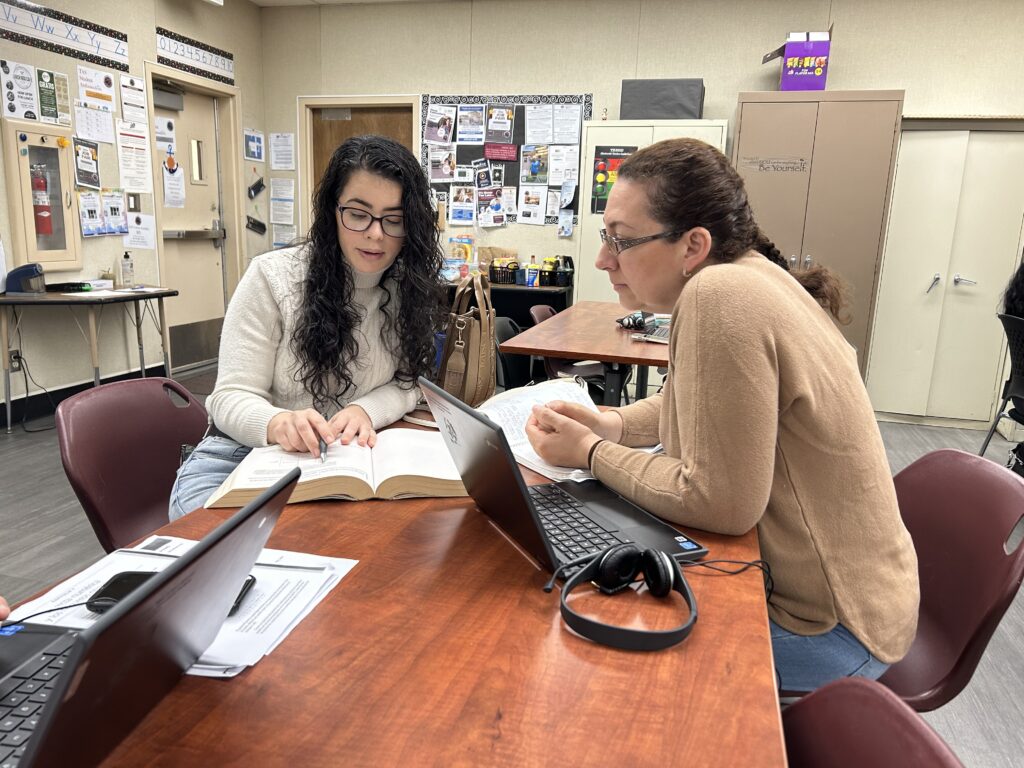
Beyond their traditional role of providing access to books and information, many libraries offer invaluable one-on-one tutoring with trained volunteers.
This personalized support is particularly beneficial for adults who need assistance with specific tasks, homework, or understanding complex concepts.
Furthermore, libraries often serve as crucial access points for online learning platforms, such as those that help adults earn their high school diploma remotely.
3.4.
Non-Profit Organizations and Community Partners
A network of non-profit organizations, faith-based groups, and even some employers contribute to the adult education landscape.
These entities often cater to specific populations, such as immigrants, individuals experiencing homelessness, or those with particular needs.
They may offer specialized classes, wrap-around services, and crucial connections to further educational and social support systems.
4.
Exploring the Diverse Curriculum of Adult Education
Adult education programs in California are designed to be comprehensive, addressing a wide range of learning needs.
The core offerings can be broadly categorized as follows:
4.1.
Adult Basic Education (ABE)
This foundational level of education focuses on developing essential skills in reading, writing, and mathematics.
ABE courses are crucial for adults who need to build a strong base before pursuing higher-level education or vocational training.
They also equip individuals with the fundamental skills necessary for everyday life, such as understanding instructions, managing finances, and communicating effectively.
4.2.
Adult Secondary Education
This area of study is dedicated to helping adults achieve the equivalent of a high school education.
It encompasses coursework in core subjects like math, science, social studies, and language arts.
The goal is to provide adults with the knowledge and credentials needed for further education or employment opportunities that typically require a high school diploma.
4.3.
English as a Second Language (ESL) and Immigrant Education
A significant focus of adult education in California is on supporting immigrants and non-native English speakers.
ESL classes are designed to improve fluency, comprehension, and conversational skills.
Beyond language, these programs often include instruction on U.S. civics, history, and cultural norms, helping newcomers navigate American society and prepare for citizenship.
4.4.
Vocational and Career Technical Education (CTE)
For adults seeking to enter or advance in the workforce, vocational education is a critical component.
These programs offer specialized training for specific careers, often with a shorter duration than traditional degree programs.
Popular fields include:
- Skilled Trades (e.g., welding, HVAC)
- Information Technology (IT support, coding)
- Healthcare Support (e.g., phlebotomy, certified nursing assistant, medical coding)
- Administrative and Office Support
- Manufacturing and Logistics
Many CTE programs are designed in collaboration with local industries to ensure graduates possess the skills employers are actively seeking.
They often include preparation for industry certifications and licensing exams.
4.5.
Education for Adults with Disabilities
Specialized programs are available to support adults with disabilities, focusing on life skills, vocational training, and adaptive learning strategies.
These courses aim to foster independence, enhance quality of life, and promote meaningful employment opportunities.
4.6.
Parenting and Family Literacy
Recognizing the vital role parents play in a child's education, many adult education centers offer parenting classes.
These programs focus on child development, effective communication, and strategies for supporting children's learning at home and in school.
Family literacy initiatives often combine adult education with early childhood education, benefiting the entire family.
5.
Achieving Your High School Diploma or Equivalent
For many adults, earning a high school diploma is a key educational goal.
California provides multiple avenues to achieve this, even if it has been many years since formal schooling:
5.1.
Earning a High School Diploma
Both K-12 adult schools and community colleges offer programs that allow students to complete the requirements for a high school diploma.
This can involve taking specific courses, earning credits, and sometimes even having prior learning or work experience assessed for credit.
For individuals who are only a few credits short, this can be a highly efficient path to graduation.
5.2.
High School Equivalency Credentials
For those who prefer not to pursue a traditional diploma, California offers high school equivalency (HSE) credentials.
The only officially recognized tests for these credentials are the GED (General Educational Development) and HiSET (High School Equivalency Test of Skills).
Numerous adult education programs and libraries offer preparation classes to help individuals pass these rigorous exams.
It is important to note that while many programs offer certificates of completion for test preparation, these are not official HSE credentials.
The credential is only awarded upon successfully passing the official GED or HiSET exam.
Currently, the GED is available in English and Spanish.
The resulting certificate does not specify the language in which the test was taken.
5.3.
Virtual High School Diploma Programs
The Career Online High School program, often accessible through public libraries, offers a fully online pathway for adults to earn an accredited high school diploma.
This program is designed for individuals aged 19 and older and includes career training modules, resume building, and career counseling.
It's an excellent option for those who require flexibility due to work or family commitments.
6.
Understanding the Costs of Adult Education
One of the most encouraging aspects of adult education in California is that the vast majority of classes are tuition-free.
This commitment to accessibility ensures that financial constraints do not prevent adults from pursuing their educational aspirations.
However, it is important to be aware of potential ancillary costs.
These may include:
- Fees for official GED or HiSET tests and practice exams.
- Costs for assessment tests required for program placement.
- Purchase of textbooks and other course materials.
- Campus fees at community colleges.
While some vocational programs, particularly those leading to specialized certifications, may involve significant tuition fees, these are often competitive and represent a substantial investment in future earning potential.
It is always advisable to inquire about the total cost of any program, including all fees and materials, before enrolling.
7.
Balancing Education with Work and Life Commitments
Finding the time to attend classes is a common challenge for adult learners.
Fortunately, California's adult education system is designed with flexibility in mind.
Many programs offer:
- Evening Classes: Allowing individuals to attend after their workday.
- Weekend Classes: Providing options for those with demanding weekday schedules.
- Online and Virtual Learning: Offering the ultimate flexibility to study from anywhere, at any time.
This adaptability ensures that pursuing education does not necessitate putting life on hold.
8.
Support Services: Child Care and Transportation
While not universally offered, some adult education providers, community colleges, and non-profit partners may provide assistance with child care and transportation.
These services can be critical barriers for many potential students.
It is highly recommended to inquire directly with your local adult school, college, or relevant organizations about any available support systems.
Some may offer discounted transportation passes or work with local agencies to provide child care solutions.
Conclusion
California's adult education system stands as a testament to the state's commitment to lifelong learning and opportunity.
Whether your goal is to earn a high school diploma, master the English language, acquire new job skills, or simply enhance your understanding of the world, a wealth of resources awaits.
By exploring the diverse offerings available through K-12 schools, community colleges, libraries, and community organizations, adults can find the perfect pathway to achieve their educational aspirations and build a brighter future.




 Explore AI Teaching Tools
Comments (0)
Please login to comment
No comments yet
Be the first to comment on this article