
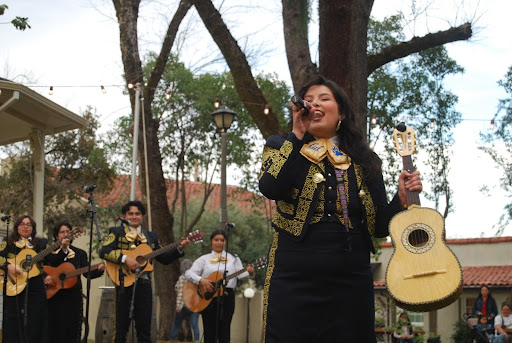
Mariachi Programs: Cultivating Cultural Identity for Students in California and Beyond
Navigating the complexities of higher education can be a profound journey, especially for students seeking to maintain a strong connection to their cultural roots.For many, particularly those with a heritage intertwined with the vibrant sounds of mariachi music, college campuses can present a unique set of challenges and opportunities.
This article explores how mariachi programs serve as vital anchors, fostering cultural preservation, building community, and empowering students to thrive academically and personally.
The Enduring Significance of Mariachi for Latino Students
In the diverse landscape of California, where Latino populations represent a significant demographic, mariachi music holds a special place.It's more than just a musical genre; it's a living embodiment of history, tradition, and familial bonds.
For students from Mexican, Guatemalan, and Salvadoran backgrounds, mariachi programs offer a powerful avenue to connect with their heritage, especially when faced with stereotypes or a sense of displacement in new environments.
Studies indicate that students who engage with culturally relevant activities on campus report higher levels of belonging and academic success.
This is particularly true for mariachi, which provides a tangible link to ancestral traditions that might otherwise fade amidst the demands of academic life.
Challenging Stereotypes Through Cultural Expression
The experience of being a student, particularly one from a minority background, can sometimes involve confronting preconceived notions and stereotypes.When peers or even educators hold assumptions about a student's upbringing, educational background, or even their personality based on their ethnicity, it can be disheartening.
Mariachi performances, for many students, become a powerful counter-narrative.
They are a bold declaration of pride in their heritage, a vibrant rejection of simplistic stereotypes, and a celebration of the rich cultural tapestry that defines them.
This act of cultural assertion is not only personally empowering but also educates others, fostering greater understanding and appreciation.
Mariachi as a Catalyst for Musical Mastery and Personal Growth
While the cultural significance of mariachi is undeniable, its impact extends to the development of musical talent and personal discipline.Unlike some other performing arts that students might explore and abandon, mariachi often proves to be a deeply resonant and lasting passion.
The dedication required to master instruments like the vihuela, guitar, trumpet, or violin, coupled with the vocal artistry involved in singing traditional songs, cultivates a high level of musicianship.
This rigorous training instills valuable life skills such as perseverance, teamwork, and attention to detail, which are transferable to academic pursuits and future careers.
From Novice to Virtuoso: The Learning Curve
Many students who join mariachi programs have little to no prior experience with the instruments or the genre.This is where the supportive environment of a university mariachi group becomes crucial.
Often, these programs provide access to instruments, offer beginner-friendly instruction, and pair new members with experienced peers.
The journey from a complete novice to a confident performer is a testament to the program's effectiveness in nurturing talent.
This process of learning and growth, where a student can pick up a new instrument and, through consistent practice and guidance, become a proficient musician and vocalist, is incredibly rewarding.
The Vihuela: A Symbol of Dedication
The vihuela, a small, guitar-like instrument central to mariachi ensembles, often serves as an early introduction for many students.Learning to play this unique instrument, with its distinctive strumming patterns and melodic contributions, requires patience and practice.
The act of mastering the vihuela, or any other mariachi instrument, symbolizes a student's commitment to their cultural heritage and their willingness to embrace new challenges.
This dedication often blossoms into a lifelong appreciation for the music and its cultural context.
Building Community and Fostering Belonging
One of the most profound benefits of participating in a mariachi program is the sense of community it cultivates.For students who have moved away from home, perhaps hundreds of miles from their familiar surroundings, college campuses can feel isolating.
Mariachi groups provide an immediate network of peers who share similar backgrounds, interests, and cultural connections.
This shared experience creates a strong bond, offering a sense of belonging and mutual support that can significantly ease the transition into university life.
A Home Away From Home
The camaraderie within a mariachi ensemble extends beyond rehearsals and performances.It becomes a support system, a place where students can share their experiences, anxieties, and triumphs.
This sense of found family is particularly important for students navigating the pressures of academic life and personal development.
The shared passion for mariachi music acts as a unifying force, creating lasting friendships and a supportive environment that helps students feel more at home, even when far from their original homes.
Connecting with Family and Heritage
Mariachi music often serves as a bridge between students and their families.Performing traditional songs, singing in Spanish, and sharing recordings of their performances can help bridge geographical distances and maintain strong familial ties.
The joy and pride expressed by family members, such as a grandmother creating a handmade gift to be worn with a mariachi uniform, underscore the deep emotional connection that mariachi fosters.
These moments reinforce the importance of cultural preservation and the role students play in keeping these traditions alive for future generations.
Mariachi Programs as Educational Hubs
Beyond musical instruction and community building, mariachi programs often function as significant educational hubs.They provide opportunities for students to engage in leadership roles, organize events, and even contribute to the broader academic discourse surrounding cultural studies.
The development of skills in event planning, public relations, and interdisciplinary collaboration are all natural outcomes of active participation in these vibrant student organizations.
The Power of Student-Led Initiatives
Student-led conferences and workshops are powerful examples of how mariachi programs empower students to take ownership of their cultural heritage and educational experiences.Organizing events like the UC Berkeley Mariachi Conference, which brings together students from various institutions across California, demonstrates a commitment to sharing knowledge, fostering connections, and promoting mariachi music.
These initiatives not only benefit the participating students but also elevate the profile of mariachi as a legitimate and valuable art form within the academic sphere.
Cultivating Future Leaders and Scholars
The skills honed through participation in mariachi programs—discipline, collaboration, performance, and cultural advocacy—prepare students for success in a wide range of fields.Many students involved in mariachi find that their involvement enhances their academic performance by providing a structured outlet for stress and a renewed sense of purpose.
The confidence gained from performing in front of audiences and the leadership experience gained from organizing events can translate into greater academic achievement and a stronger sense of self-efficacy.
Research indicates that extracurricular involvement, particularly in culturally rich activities, is strongly correlated with higher graduation rates and post-graduation success.
Preserving Culture in a Changing World
In an era where cultural identities can sometimes feel diluted or threatened, mariachi programs stand as vital institutions for preservation.They ensure that the rich legacy of mariachi music and its associated cultural practices are passed down to younger generations.
For students in California and across the globe, these programs are not just about learning music; they are about understanding their history, celebrating their identity, and contributing to the ongoing evolution of their cultural heritage.
The Timeliness of Cultural Preservation
The need for cultural preservation is particularly acute when certain communities face increased scrutiny or marginalization.Mariachi programs offer a powerful and positive response, allowing students to actively engage with and celebrate their heritage in a public and proud manner.
This proactive approach to cultural preservation is essential for maintaining a diverse and vibrant society.
It empowers students to become cultural ambassadors, sharing the beauty and significance of mariachi with a wider audience.
Conclusion
Mariachi programs offer a multifaceted and invaluable experience for students, particularly those with a connection to Latino heritage.They provide a unique blend of musical education, cultural immersion, and community building that is essential for holistic student development.
From mastering intricate melodies on the vihuela to forging lifelong friendships and challenging stereotypes, mariachi empowers students to connect with their roots, excel academically, and become confident, culturally aware individuals.
The enduring legacy of mariachi music, nurtured through these dedicated student programs, ensures that this vibrant art form continues to thrive, enriching the lives of students and communities alike, especially here in California and far beyond.




 Explore AI Teaching Tools
Comments (0)
Please login to comment
No comments yet
Be the first to comment on this article