
Navigating Complex Elections: Strategies for educators and Students
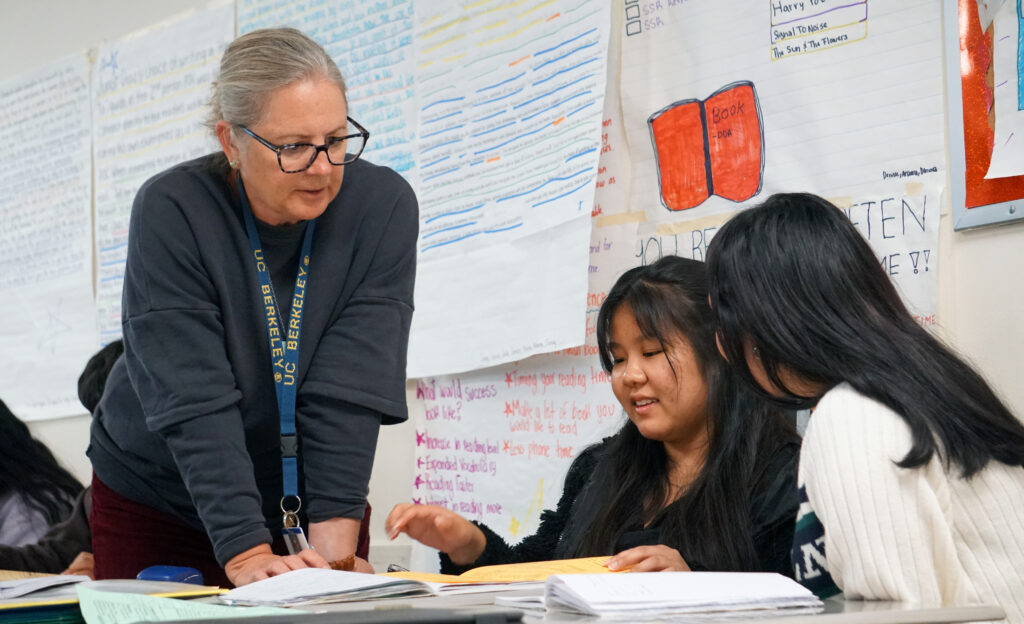
In today's rapidly evolving world, understanding the intricacies of political processes, especially presidential elections, is paramount.For educators, this presents a unique challenge and opportunity to foster informed and engaged citizens.
This article explores how teachers have approached the sensitive topic of elections, offering insights and strategies for creating a balanced and educational classroom environment, even amidst societal polarization and the pervasive influence of social media.
We'll delve into the considerations teachers have made, the methods they've employed, and the valuable lessons learned for both educators and their students.
The Educator's Role in Election Discourse
Many educators recognize their crucial role in demystifying the electoral process for students.They understand that in times of heightened political tension and widespread misinformation, the classroom can serve as a vital space for objective learning and critical thinking.
Teachers have said that their primary goal is to empower students, showing them how their participation can influence the political landscape and help them make sense of a complex and dynamic society.
This approach aims to combat apathy and provide a sense of agency, particularly for young people who may feel disconnected from governmental processes.
Empowering Students Through Civic Education
The act of teaching about elections is not merely about presenting facts; it's about cultivating informed participation.Educators have highlighted that by explaining the mechanisms of elections, they are providing students with tools to understand power dynamics and their own potential to effect change.
This is especially important when dealing with rhetoric that might be divisive or anxiety-inducing.
The objective is to present the electoral process as a functional, albeit sometimes challenging, avenue for civic engagement.
Addressing Divisive Rhetoric and Misinformation
A significant challenge for teachers has been navigating the complexities of modern political discourse, which often includes divisive rhetoric and a deluge of misinformation, particularly amplified through social media.They have said that their responsibility lies in presenting information in a way that is both informative and impartial.
This requires careful consideration of how to explain sensitive topics, such as contentious campaign strategies or policy proposals, without injecting personal bias.
The goal is to equip students with the ability to critically evaluate information, regardless of its source.
The Balancing Act: Maintaining Impartiality
Responsible educators face the delicate task of explaining the significance of an election while remaining neutral.This involves presenting different perspectives fairly and encouraging students to form their own informed opinions.
Studies indicate that teachers have employed various methods to achieve this, from dissecting campaign messaging to analyzing historical precedents.
The emphasis is on fostering critical thinking skills, enabling students to discern fact from fiction and understand the underlying issues at play.
Classroom Strategies for Election Education
The approach to teaching about elections varies among educators, reflecting different pedagogical philosophies and classroom contexts.However, a common thread is the commitment to providing students with a comprehensive understanding of the electoral process.
Research shows that a majority of teachers incorporate election-related topics into their curriculum, often by choice rather than by mandate from their districts.
This proactive engagement underscores the perceived importance of civic education.
Key Teaching Approaches
Educators have said they utilize a range of strategies to make election education engaging and effective.These can include:
- Analyzing Campaign Materials: Examining speeches, advertisements, and policy platforms from various candidates to understand their messaging and appeals.
- Historical Contextualization: Connecting current election cycles to past elections and historical events to provide a broader perspective.
- Debate and Discussion: Facilitating structured debates and discussions where students can explore different viewpoints respectfully.
- Fact-Checking Exercises: Teaching students how to identify credible sources and verify information encountered online and in other media.
- Understanding Electoral Mechanics: Explaining the electoral college, voting procedures, and the roles of different governmental bodies.
Addressing Sensitive Topics
When it comes to potentially sensitive or controversial aspects of an election, such as historical events or policy implications that may cause anxiety, teachers have said they approach these with careful planning.They have expressed a need to create a safe space for students to ask questions and express concerns.
The focus remains on providing factual information and facilitating understanding, rather than promoting a particular viewpoint.
Student Engagement and Concerns
Teachers have observed a range of student reactions to election-related discussions.While some students are highly engaged and eager to participate, others may exhibit apathy or disinterest, sometimes due to a feeling of being overwhelmed or disillusioned.
Educators have said that their efforts are aimed at re-engaging these students by demonstrating the relevance of elections to their lives and communities.
Managing Classroom Dynamics
A key concern for educators is managing classroom dynamics, particularly when discussing potentially divisive topics.They have said that fostering an environment of mutual respect is paramount.
This involves setting clear guidelines for discussions and intervening when incivility arises.
While some teachers express minimal concern about student incivility, others are more watchful, recognizing the potential for heated exchanges in a polarized political climate.
The Future of Election Education
As the landscape of information and political discourse continues to evolve, so too will the strategies employed by educators.The ongoing challenge is to adapt and innovate, ensuring that students are equipped with the knowledge and critical thinking skills necessary to be informed and active participants in their democracies.
The experiences of teachers navigating contentious elections provide valuable lessons for creating robust and relevant civic education programs globally.
Conclusion
The process of teaching about presidential elections, especially in polarized times, is a complex but essential undertaking.Educators have demonstrated remarkable adaptability and commitment, striving to empower students with knowledge and critical thinking skills.
By embracing strategies that foster impartiality, encourage respectful dialogue, and contextualize current events, teachers play a vital role in shaping informed and engaged citizens.
The lessons learned from their experiences offer a roadmap for effective civic education, ensuring that future generations are well-prepared to navigate the challenges and opportunities presented by democratic processes.





 Explore AI Teaching Tools
Comments (0)
Please login to comment
No comments yet
Be the first to comment on this article