
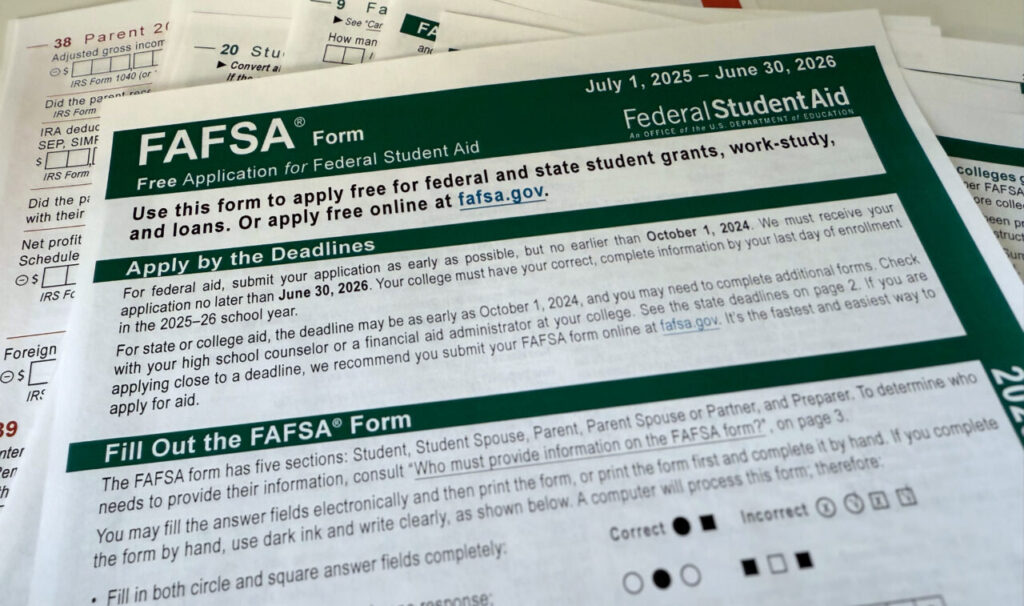
AI Revolutionizes College Financial Aid: How Institutions Combat Fraudsters
The landscape of higher education is constantly evolving, and with it, the challenges faced by students and institutions alike.
One persistent issue that has plagued colleges for years is financial aid fraud.
However, a powerful new ally has emerged: Artificial Intelligence.
This article delves into how educational institutions, particularly community colleges, are leveraging AI to build a robust defense against fraudsters, safeguarding vital financial aid resources for legitimate students and fostering a more secure learning community.
The Growing Threat of Financial Aid Fraudsters
For too long, educational institutions, especially those with open enrollment policies like community colleges, have been prime targets for individuals and sophisticated networks seeking to exploit financial aid systems.
These fraudsters, a mix of opportunistic individuals and organized criminal enterprises, often operate across borders, employing increasingly advanced tactics to impersonate students and siphon millions of dollars intended for genuine academic pursuits.
The sheer volume of applications and the complexity of financial aid processes can make it incredibly difficult for human staff to identify every fraudulent claim, leading to significant financial losses for colleges and, consequently, for the students they aim to serve.
The impact of these fraudulent activities extends far beyond monetary loss.
When fraudsters occupy limited spots in popular courses, they can inadvertently push legitimate students onto waitlists, delaying their academic progress.
This not only creates frustration for dedicated students but also undermines the core mission of educational institutions to provide accessible learning opportunities.
The challenge has been particularly acute in recent years, with the shift towards more online and remote learning creating new avenues for fraudsters to operate undetected.
California Community Colleges: A Frontline in the AI Battle
California's extensive community college system, serving a vast student population, has been at the forefront of this battle.
Faced with substantial financial aid losses, estimated to be in the tens of millions of dollars, these institutions recognized the urgent need for a more effective solution.
For years, they engaged in a challenging, often reactive, fight against fraudsters who were consistently one step ahead.
This struggle highlighted the limitations of traditional manual review processes, which, while diligent, struggled to keep pace with the evolving sophistication of fraudulent schemes.
The turning point for many of these colleges has been the strategic adoption of Artificial Intelligence.
This technology offers a powerful new capability to analyze vast datasets, identify subtle patterns, and detect anomalies that would be virtually impossible for human reviewers to spot.
The goal is not just to catch fraudsters but to create a proactive and resilient system that deters them from even attempting to exploit the aid process.
How AI Detects Fraudsters: A Multi-Layered Approach
The AI models being deployed are not a single, monolithic solution but rather a sophisticated suite of tools designed to scrutinize applications and student behavior at multiple stages.
These systems are trained on extensive data, allowing them to learn the hallmarks of fraudulent activity.
Key detection mechanisms include:
- Device Fingerprinting: AI can analyze unique characteristics of the devices used to access application portals.
This includes information like IP addresses, browser types, operating system details, and even time zone settings.
Inconsistencies or patterns indicative of automated access or spoofing can be flagged.
- Behavioral Analysis: The AI examines how applicants interact with the system.
Suspicious patterns, such as unusually rapid form completion, identical responses across multiple applications, or attempts to access the system from geographically improbable locations, can raise red flags.
- Data Cross-Referencing: A critical function of AI is its ability to cross-reference information across various data points.
This includes checking for:
- Shared Identifiers: Detecting if multiple applications share the same phone number, email address, or even mailing address, which is a common tactic used by fraudsters to create numerous fake identities.
- Age Discrepancies: Identifying inconsistencies between stated age and other demographic information, which can sometimes be an indicator of fabricated identities.
- Course-Taking Patterns: Analyzing the courses a student enrolls in.
Fraudsters often select courses that are easy to get into or that appear to be part of a nonsensical academic path, such as enrolling in advanced accounting alongside a beginner's jewelry-making class.
- Network Analysis: AI can identify connections between seemingly disparate applications, revealing larger fraud rings where multiple individuals are linked through shared information or coordinated activity.
This comprehensive approach allows colleges to move beyond simply looking for obvious errors.
Instead, they are identifying subtle, interconnected indicators of fraudulent intent.
The AI essentially acts as an intelligent detective, piecing together clues that would otherwise remain hidden.
The Impact of AI: Catching More Fraudsters Than Ever Before
The results of implementing these AI-driven fraud detection systems have been remarkable.
Colleges that have adopted these tools are reporting significant improvements in their ability to identify and intercept fraudulent applications.
Some institutions estimate that they are now catching upwards of 90% of potential fraudsters, a dramatic increase compared to previous manual methods.
This success is attributed to the AI's capacity to process and analyze data at a scale and speed that far surpasses human capabilities.
The AI's effectiveness is further amplified by its continuous learning capabilities.
As more data is fed into the system, the AI becomes even more adept at recognizing new and evolving fraudulent tactics.
This creates a dynamic defense that can adapt to the ever-changing strategies of fraudsters.
The collaborative nature of AI implementation also fosters a powerful network effect.
When one college identifies a new fraudulent pattern, that information can be used to train the AI model across the entire network of participating institutions, enhancing the collective ability to combat fraud.
Beyond AI: Enhancing Identity Verification for Students
While AI is a powerful tool for detecting fraud, educational institutions are also focusing on making the legitimate student experience smoother and more secure.
Recognizing that robust identity verification is crucial, many colleges are exploring partnerships to streamline this process.
One innovative approach involves integrating with state-level digital identification systems.
For example, collaborations with state Departments of Motor Vehicles (DMVs) are being explored.
This allows students who possess a state-issued digital ID to use it for verifying their identity during the college application process.
By leveraging trusted, established identity verification methods, colleges can reduce reliance on third-party platforms that may be less familiar or accessible to all students.
This layered approach, combining AI-powered fraud detection with user-friendly identity verification, aims to create a secure yet welcoming environment for genuine students.
Addressing the Root Causes: Why Colleges are Prime Targets
Understanding why community colleges, in particular, are such attractive targets for fraudsters is key to appreciating the significance of these new AI solutions.
The open-access nature of community colleges means they generally admit any student who meets basic prerequisites.
This inclusivity, while a cornerstone of accessible education, also presents a wider surface area for exploitation.
Fraudsters can exploit this openness by creating numerous fake student profiles to gain access to financial aid funds.
Furthermore, the sheer scale of systems like California's community college network makes them a high-value target.
The potential for large-scale financial gain is significant.
The pandemic exacerbated these vulnerabilities, as the rapid shift to online learning created an environment where it was easier for fraudsters to operate remotely and impersonate students without direct physical interaction.
This created an urgent need for more sophisticated, technology-driven solutions to protect these vital educational resources.
The Future of Financial Aid Security: A Collaborative Effort
The widespread adoption of AI in combating financial aid fraud represents a significant leap forward for educational institutions.
It signifies a shift from reactive measures to proactive, intelligent defense.
As more colleges implement these advanced systems, the collective ability to detect and deter fraudsters will only grow stronger.
The continuous training of AI models with new data ensures that these systems remain effective against evolving threats.
The collaboration between technology providers, educational institutions, and even state agencies is crucial for building a resilient future for financial aid.
By embracing innovation and working together, colleges can ensure that financial aid resources are directed to the students who truly need them, fostering a more equitable and secure learning environment for everyone within the global community of learners.
The ongoing efforts to refine these systems promise a future where the integrity of financial aid is better protected, allowing students to focus on their education rather than the machinations of fraudsters.
Conclusion
The fight against financial aid fraud is a critical challenge for educational institutions worldwide.
California's community colleges are demonstrating a powerful model for how Artificial Intelligence can be a game-changer in this arena.
By leveraging AI's ability to analyze complex data, detect subtle patterns, and cross-reference information, colleges are significantly improving their capacity to identify fraudsters.
This technological advancement, combined with enhanced identity verification methods, is creating a more secure environment for legitimate students and safeguarding precious financial aid resources.
The ongoing evolution and widespread adoption of these AI solutions offer a promising outlook for the future of financial aid integrity within the global learning community.






 Explore AI Teaching Tools
Comments (0)
Please login to comment
No comments yet
Be the first to comment on this article