
Unlocking Potential: How Understanding the Brain Empowers Students for Life
Imagine a learning environment where every student is equipped not just with academic knowledge, but with the profound understanding of their own mental landscape.This isn't a futuristic dream; it's a powerful educational philosophy that's transforming lives.
By demystifying how the brain works, we can unlock unprecedented levels of self-awareness, emotional resilience, and ultimately, academic success for students everywhere.
This article explores how this groundbreaking approach, championed by innovative educational institutions, is creating momentous shifts in how we educate our youth, fostering healthier minds and brighter futures.
The Neuroscience Advantage: Building a Foundation for Learning
At the heart of this educational revolution lies the simple yet profound idea that start teaching on Mentofy">teaching students about their own brain is a critical step towards improving their overall well-being and academic performance.This isn't about complex scientific jargon; it's about making the intricate workings of the brain accessible and relevant to young minds.
When students understand the basic functions of their brain, they gain invaluable tools for managing their thoughts, emotions, and behaviors.
This fundamental knowledge empowers them to navigate the challenges of school and life with greater confidence and skill.
Introducing Brain Basics to Young Learners
Even the youngest students can grasp the core concepts of brain function through engaging and age-appropriate activities.For instance, simple songs that highlight the brain's role in thinking can be incredibly effective.
Imagine preschoolers learning that their brain is their "thinking machine" through catchy tunes.
Furthermore, incorporating mindfulness practices, such as focusing on their breath while observing a calming visual, helps them connect with their internal state.
These early introductions lay the groundwork for a lifelong understanding of their mental health.
Developing Executive Functions: The Brain's Command Center
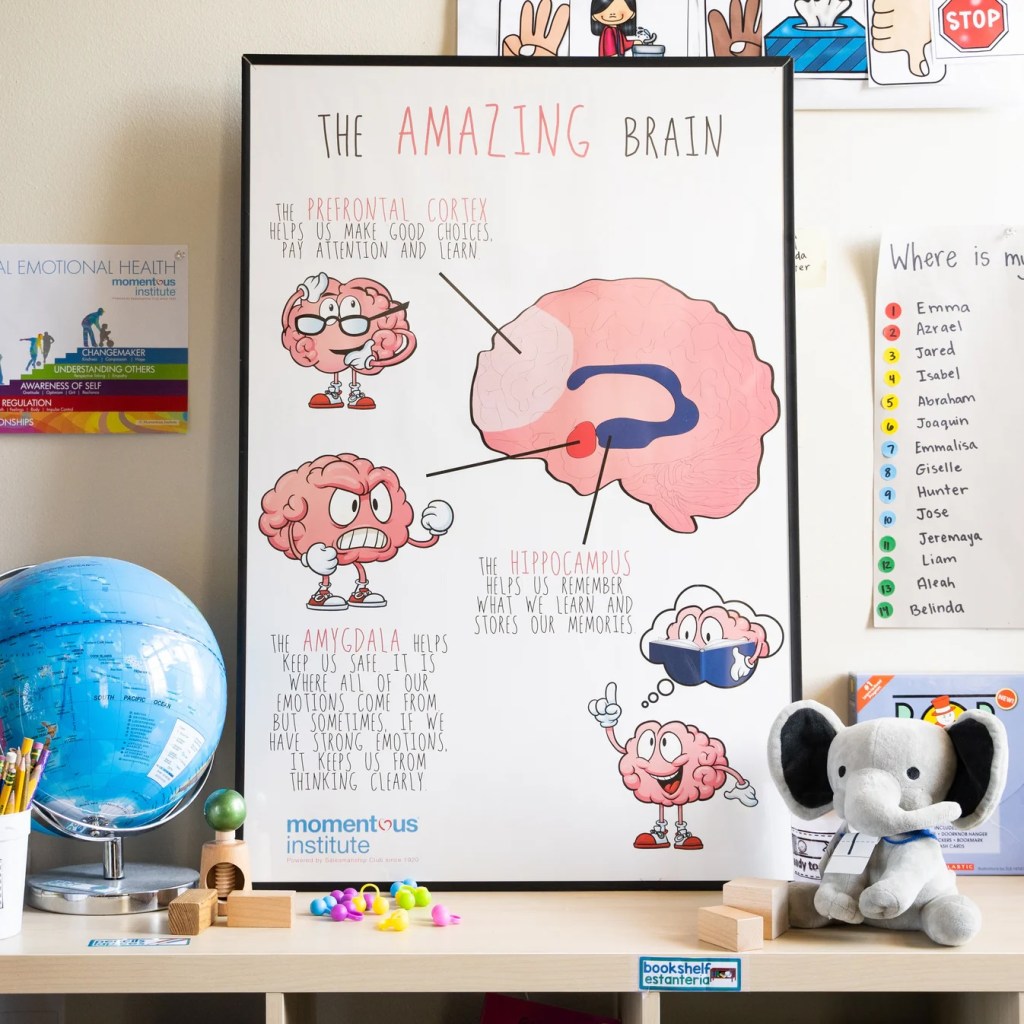
As students progress, lessons can delve deeper into specific brain regions and their functions.The prefrontal cortex, for example, is the brain's executive control center, responsible for crucial skills like planning, problem-solving, and impulse control.
Teaching students about this area helps them understand why focus is important and how they can actively develop these vital abilities.
By learning to identify and manage their thoughts and actions, students build a strong foundation for academic achievement and responsible decision-making.
Mindfulness and Emotional Regulation: Mastering Inner Worlds
A cornerstone of this educational approach is the integration of mindfulness and strategies for emotional regulation.These practices are not merely supplementary; they are integral to a student's ability to learn and thrive.
By teaching students how to recognize and manage their emotions, we equip them with the tools to navigate stress, frustration, and anxiety effectively.
This self-awareness is a momentous step towards building resilience and fostering positive mental health.
Practical Mindfulness Techniques for Students
Simple, actionable techniques can make a significant difference.For older students, guided breathing exercises, such as slowly counting each finger while inhaling and exhaling, can provide an immediate sense of calm.
These practices help students develop the ability to self-soothe, a critical skill for managing the pressures of school and social interactions.
The "wow" moment occurs when students realize they have the power to influence their own emotional state, fostering a sense of agency and control.
Understanding Emotional Triggers: The Amygdala's Role
Conversations about emotions become a natural part of the school day.teachers can encourage students to identify their feelings and even ask questions that prompt reflection, such as "What is your amygdala telling you right now?" The amygdala, the brain's emotional processing center, plays a significant role in our reactions.
By understanding its function, students can begin to differentiate between an emotional response and a reasoned decision, leading to more thoughtful interactions and problem-solving.
Fostering a Supportive Learning Environment
The impact of this brain-centric, mindfulness-focused education extends beyond individual students; it cultivates a supportive and understanding school community.When mental health and emotional well-being are openly discussed and normalized, the stigma surrounding these issues begins to dissolve.
This creates an environment where students feel safe to express themselves and seek support when needed.
Normalizing Mental Health Conversations
By integrating lessons on mental health and healthy relationships into the curriculum, educators are actively working to normalize these crucial aspects of human experience.This approach reframes emotional challenges not as weaknesses, but as common human experiences that can be understood and managed.
This normalization is a momentous shift away from outdated notions that often lead to isolation and misunderstanding.
Empowering Families Through Education
The benefits of this approach are amplified when families are involved.Regular parent nights that educate families on brain function and emotional regulation strategies allow for a cohesive support system.
When parents and children learn and practice these skills together at home, the positive impact on the child's mental health and overall well-being is significantly enhanced.
This collaborative effort creates a powerful buffering effect against life's stressors.
The Momentous Impact: Real-World Outcomes for Students
The tangible results of this educational philosophy are compelling.Studies indicate that schools prioritizing brain science and mental health education are witnessing remarkable positive outcomes for their students.
Graduates are not only achieving academic milestones but are also demonstrating greater resilience and preparedness for higher education and beyond.
Academic Success Through Enhanced Well-being
Research shows that teaching students about their brain and emotional regulation can directly contribute to improved academic performance.When students are equipped with the tools to manage stress and focus, their capacity for learning expands.
This leads to better engagement in the classroom, improved test scores, and a more positive overall school experience.
The motivation derived from understanding their own potential is a powerful driver for academic success.
Long-Term Benefits: Preparing for Life's Challenges
The ultimate goal of this educational approach is to equip students with lifelong skills.By fostering self-awareness, emotional intelligence, and resilience, these programs prepare students to navigate the complexities of adulthood.
They learn that the objective isn't to eliminate stress, but to develop the capacity to manage it effectively.
This agency and the possession of practical tools have a profound and lasting buffering effect on their brain and their ability to thrive.
Conclusion: Investing in the Future Through Brain Literacy
The integration of brain science and mindfulness into the educational framework represents a momentous leap forward in nurturing well-rounded, resilient individuals.By empowering students with an understanding of their own mental landscape, we are not just enhancing their academic journey; we are equipping them with the essential tools for a fulfilling and successful life.
As educators and parents, embracing this approach is an investment in the future, fostering a generation that is not only knowledgeable but also emotionally intelligent and mentally strong.
The journey of learning how their brain works is a lifelong adventure that Mentofy is dedicated to supporting for students globally.






 Explore AI Teaching Tools
Comments (0)
Please login to comment
No comments yet
Be the first to comment on this article