
Igniting Potential: How Early Education Programs Pave the Way for Children's Success
Embarking on the journey of early childhood development is a pivotal moment for both children and their families.For many, the foundational years are where curiosity is sparked, essential skills are honed, and a lifelong love for learning begins.
This article explores how comprehensive early education initiatives provide a critical pathway to success, offering invaluable support that extends far beyond the classroom walls, empowering children and their families to thrive.
The Cornerstone of Early Learning: Building a Strong Start
The initial years of a child's life are a period of rapid growth and development, laying the groundwork for future academic achievement and overall well-being.High-quality early education programs are designed to nurture this crucial stage, providing a stimulating environment where young minds can explore, discover, and grow.
These programs are more than just childcare; they are intentional learning ecosystems that foster cognitive, social, emotional, and physical development.
Nurturing Cognitive Growth
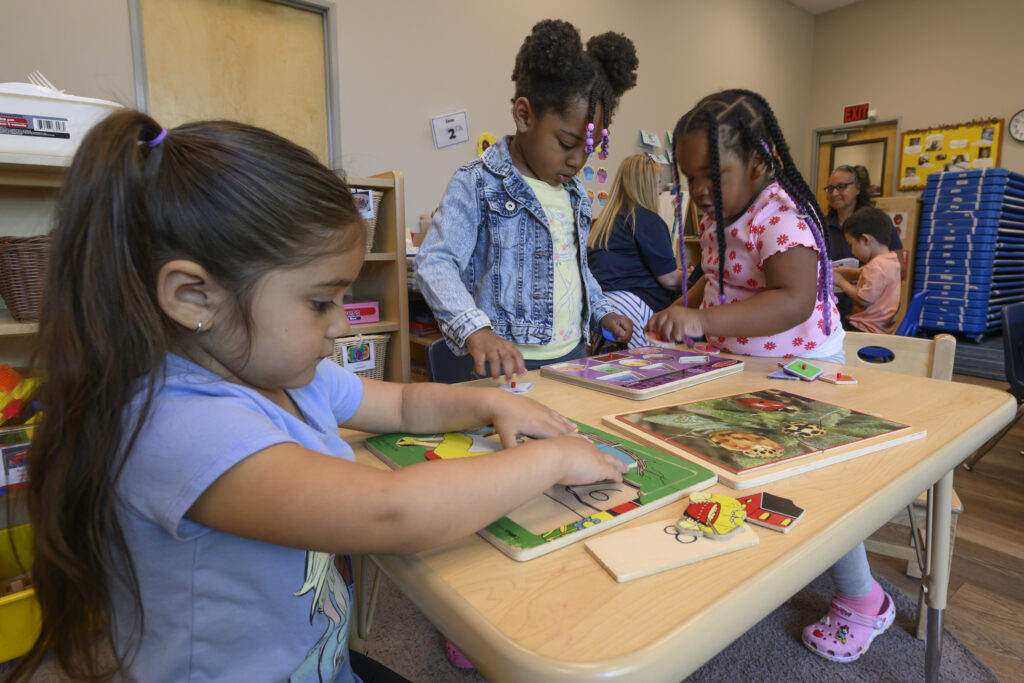
Children in these programs are exposed to a rich curriculum that introduces them to foundational concepts in literacy and numeracy through engaging, play-based activities.They begin to understand letters, sounds, numbers, and simple mathematical principles, often without even realizing they are learning.
This early exposure builds a strong cognitive base, making the transition to formal schooling smoother and more successful.
Fostering Social and Emotional Intelligence
Beyond academics, these programs are instrumental in developing crucial social and emotional skills.Children learn to interact with their peers, share, cooperate, and resolve conflicts.
They develop empathy, learn to manage their emotions, and build self-confidence, all of which are vital for healthy relationships and personal resilience.
Promoting Physical Development
Active play is a cornerstone of early learning.Through structured activities and free play, children develop gross and fine motor skills, coordination, and a healthy understanding of their bodies.
This physical engagement is essential for overall development and contributes to a child's readiness for school.
Comprehensive Support: Beyond the Classroom Experience
Effective early education programs recognize that a child's success is deeply intertwined with the well-being and support of their family.Therefore, they offer a holistic approach, providing resources and assistance that address the diverse needs of both children and their parents.
This integrated support system is what truly sets these programs apart.
Nutritional Well-being
Many programs ensure that children receive nutritious meals and snacks, addressing potential food insecurity and promoting healthy eating habits.This not only supports physical health but also ensures children have the energy and focus needed for learning.
Health and Developmental Screenings
Early identification of potential developmental delays or health issues is critical.These programs often include screenings for vision, hearing, and developmental milestones, allowing for timely interventions and referrals to specialized services.
This proactive approach can significantly impact a child's long-term trajectory.
Parental Engagement and Empowerment
A key element of successful early education is active parental involvement.Programs work collaboratively with parents, offering resources, workshops, and home visits to support their role in their child's development.
This partnership empowers parents with the knowledge and tools to foster learning at home and navigate the educational system.
They are often connected with essential community resources that can help them and their children.
Addressing Diverse Needs: A Foundation for Equity
These vital programs are often designed to serve children from low-income families or those facing significant challenges.They act as a crucial equalizer, providing opportunities and support that might otherwise be inaccessible.
The goal is to ensure that every child, regardless of their background, has the chance to start school ready to learn and succeed.
Serving Vulnerable Populations
For families living in challenging circumstances, the support provided by these programs can be transformative.They offer a safe and nurturing environment for children, allowing parents to work or pursue education, knowing their children are well-cared for and learning.
This stability is invaluable for families striving to improve their circumstances.
Bridging the Gap to Kindergarten
The transition to kindergarten can be daunting for many children.Early education programs specifically prepare them for this next step, equipping them with the academic, social, and emotional skills necessary to thrive in a more formal school setting.
This preparation significantly reduces the achievement gap often seen at the start of formal schooling.
The Long-Term Impact: A Pathway to Lifelong Success
The benefits of high-quality early education extend far beyond kindergarten readiness.Research consistently shows that children who participate in these programs are more likely to achieve academic success throughout their school years, graduate from high school, and pursue higher education or stable employment.
Academic Achievement and Graduation Rates
Studies indicate that early learning experiences foster a strong foundation for academic success.Children who start with a robust early education program tend to perform better in reading, math, and science, and are less likely to require special education services.
This positive academic trajectory often leads to higher graduation rates.
Economic and Social Benefits
The impact of early education also ripples into broader societal benefits.Individuals who benefited from these programs are often more engaged citizens, have higher earning potential, and are less likely to rely on social services.
This demonstrates the profound return on investment in early childhood development.
Challenges and the Importance of Sustained Support
Despite the overwhelming evidence of their value, early education programs often face funding uncertainties.These programs are critical for countless families, and any disruption can have far-reaching consequences.
Sustained investment and policy support are essential to ensure these vital services remain accessible to all who need them.
The Role of Community and Policy
The success of these programs relies on a strong partnership between communities, educators, policymakers, and families.Advocacy for consistent and adequate funding is crucial to maintain and expand the reach of these initiatives.
They are not just educational services; they are investments in the future of our society.
Conclusion
High-quality early education programs serve as a powerful engine for individual and societal progress.They provide children with the essential building blocks for learning and development, while simultaneously offering invaluable support to their families.
By nurturing young minds and empowering parents, these initiatives create a ripple effect of success that extends throughout a child's life and contributes to stronger, more vibrant communities.
The commitment to these programs is a commitment to a brighter future for all.






 Explore AI Teaching Tools
Comments (0)
Please login to comment
No comments yet
Be the first to comment on this article