
Global Campuses Grapple with Halal Food Access: A Growing Imperative for Muslim Students
For millions of Muslim students navigating the complexities of higher education abroad, a fundamental question often precedes the academic one: "Is it halal?" In nations where Islam is not the dominant faith, the availability of permissible food options can be a significant hurdle, impacting everything from daily sustenance to overall well-being.
A stark reality emerges from recent data: a 2022 study indicated that Muslim student groups are present at only 28% of US colleges and universities. This figure, particularly in a nation championing diversity, highlights a gap. Compounding this, a 2024 analysis revealed that a substantial 43% of US higher education institutions do not offer food suitable for Muslim consumption.
Yet, the economic landscape tells a different story. The global Muslim consumer spending within the halal economy was valued at an impressive US$2.43 trillion in 2023, with projections soaring to US$3.36 trillion by 2028. This burgeoning market underscores a clear demand that educational institutions are increasingly being called upon to meet, literally on their plates.
The Sacred Significance of Halal Sustenance
Food is the bedrock of energy, powering students through demanding academic schedules, part-time jobs, and personal responsibilities. For many Muslim students, the scarcity of appropriate food is not a matter of preference but a matter of religious obligation.
The term "halal," derived from Arabic, signifies "lawful or permitted." This principle extends beyond diet, encompassing all aspects of life permitted by Islamic law. When it comes to food, the guidelines are specific and deeply rooted in faith.
Key prohibitions include pork and alcohol. Furthermore, the method of slaughter for meat is critical; it must adhere to Islamic rites. Products and establishments that are fully halal-certified typically display this accreditation prominently.
The core challenge lies in the limited access to halal food in non-Muslim majority countries. A study published in The Journal of the Academy of Nutrition and Dietetics reported that a concerning 53% of Muslim university students in the US experienced food insecurity on their campuses.
In the United Kingdom, the recent surge in food prices has exacerbated the difficulties for many Muslims, particularly during the holy month of Ramadan. The ease of sourcing halal food off-campus can vary dramatically depending on geographical location.
Navigating the Halal Landscape: City by City
Cities like London, England, offer a comparatively richer selection of halal options, making it a more accommodating Western hub for Muslim residents and students, with numerous dedicated halal and kosher food establishments.
In Canada, where Muslims constitute approximately 1.10% of the population, finding halal food can present a more significant undertaking. The situation in the United States is often a postcode lottery, heavily influenced by regional demographics.
Anecdotal evidence from online forums suggests that in areas with a larger Muslim population, such as parts of California, finding halal items in large chain stores is possible, and dedicated Middle Eastern markets offer extensive selections of fresh halal meats.
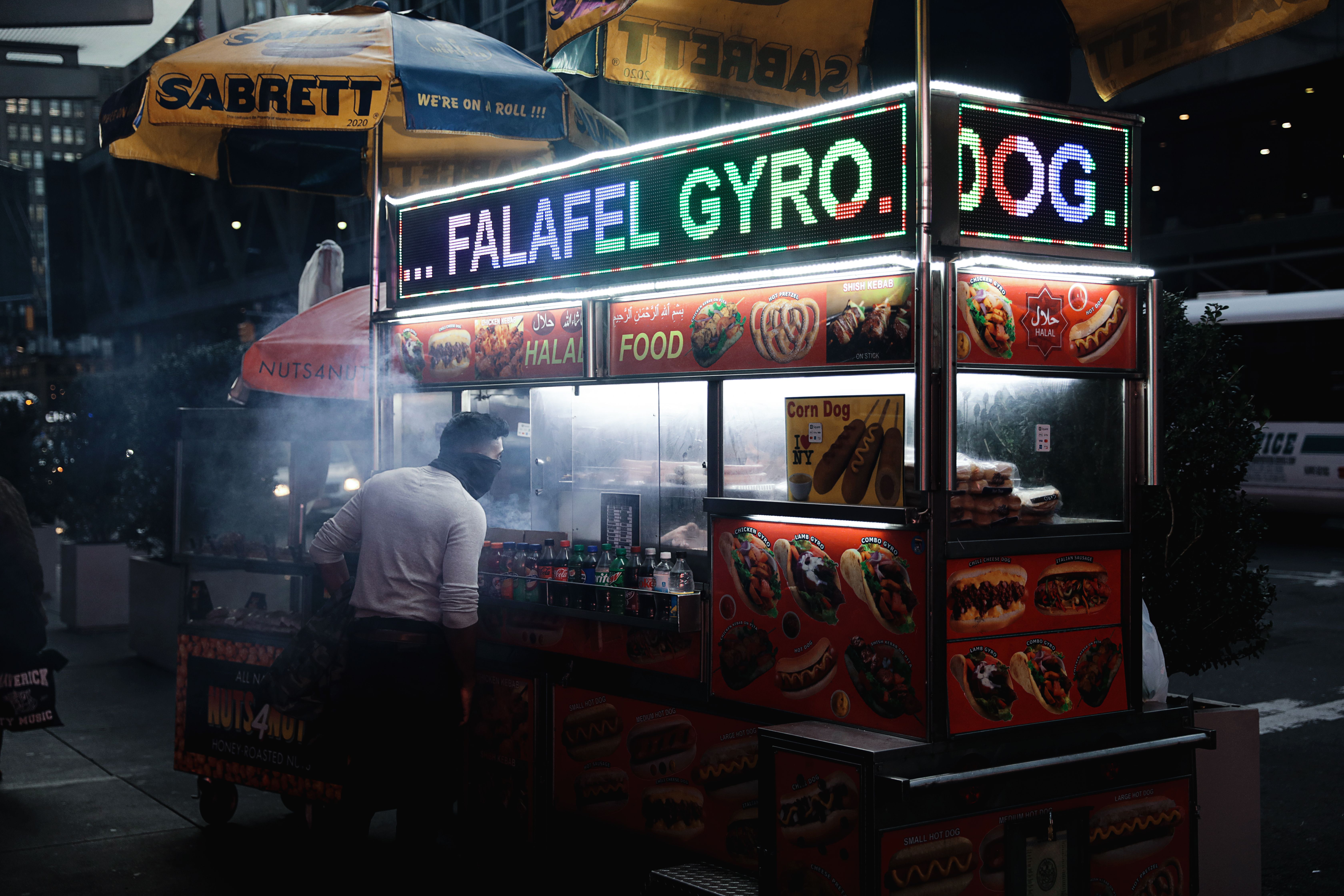
However, experiences can differ drastically. A user recounted a trip to Nevada where a "kebab and gyro" establishment claiming to serve halal food left them with lingering doubts due to the clientele and staff. The absence of dedicated markets or clear certification left them unable to confirm the authenticity of the food.
This lack of visible certification poses a persistent challenge. A restaurant might advertise "no pork" or "no lard," but this does not guarantee that the meat was prepared according to Islamic slaughtering laws. This constant uncertainty can be a source of daily stress for many.
Empowering Muslim Students: A Multifaceted Approach to Halal Access
Beyond the direct availability of food, various avenues exist to support Muslim students in their quest for halal sustenance. These often involve leveraging existing community structures and advocating for institutional change.
The Power of Student Communities and Islamic Societies
Many universities recognize the importance of supporting their Muslim student population. Organizations like the Muslim Students Association in the US and Canada play a vital role in fostering Islamic communities on campus and uniting students from diverse backgrounds.
In the UK and Ireland, the Federation of Student Islamic Societies provides a crucial platform for Muslim students to connect, share resources, and support one another. These groups are invaluable sources of information regarding halal food options both on and off campus.
These student-led initiatives often act as the first point of contact for new students seeking guidance on navigating dietary requirements within the university environment.
Leveraging Student Unions for Advocacy
Student unions, comprised of elected representatives, are another key resource. They possess a deep understanding of campus life, student concerns, and university policies, including those related to catering and food services.
If a university's dining facilities do not offer halal options, the student union is often the most effective body to raise awareness and advocate for the implementation of such services. Their collective voice can drive meaningful change within university administrations.
Seeking Guidance Beyond Campus Borders
Local mosques often serve as hubs for community support, frequently providing meals, especially during the fasting month of Ramadan. This offers a vital lifeline for students who may be far from family.
Exploring cities, towns, or neighborhoods with a significant Muslim population can also greatly improve access to halal food. Cities like Chicago in the US are renowned for their abundance of mosques, Islamic schools, and readily available halal food options.
Similarly, Birmingham in the UK, with a substantial Muslim population, and Canadian cities like Toronto and Montreal, are known for their diverse halal culinary scenes. Even in China, regions like Gansu and Qinghai, with large Muslim communities, offer more accessible halal choices.
Halal Food Integration: Universities Leading the Way
A growing number of universities worldwide are actively working to provide comprehensive halal food services, recognizing the diverse needs of their student body. This commitment often involves collaboration with Muslim student groups and specialized training for dining staff.
United States Institutions Leading by Example
The University of Michigan has established a strong partnership with its Muslim Coalition, ensuring that halal food is available through dining services. This collaboration involves rigorous food handling and procurement practices to guarantee compliance with Islamic dietary laws.
Other notable US universities offering halal food options include:
- Boston University
- Dartmouth College
- University of Rochester
- University of Delaware
United Kingdom Universities Embracing Diversity
In the UK, the University of Bath's dining hall, "The Market," offers a range of vegan and halal options, including popular items like chicken tikka sandwiches, often at competitive prices, according to student feedback.
Additional UK universities that provide halal food include:
- University of Sussex
- University of Kent
- University of Leicester
- University of Sheffield
Australian Universities Catering to Halal Needs
The University of Western Australia ensures its dining hall chefs prepare a variety of meals catering to halal dietary requirements for breakfast, lunch, and dinner. Their ever-changing menus aim to prevent monotony for students.
Australian universities offering halal food services also include:
- Curtin University
- Bond University
- Federation University Australia
Canadian Universities Prioritizing Halal Options
The University of Guelph is recognized for its provision of halal food within its campus dining facilities.
At the University of Toronto, employees undergo specialized training on halal food laws, adhering to standards set by organizations like the Islamic Food and Nutrition Council of America (IFANCA). They source meats and products from "Zahiba" animals, ensuring proper Islamic slaughter.
Other Canadian universities with similar commitments to halal food include:
- University of Ottawa
- McMaster University
- Concordia University
- University of Guelph
A Global Overview: Universities Championing Halal Food
Beyond the major Western study destinations, numerous universities across the globe are making significant strides in offering halal food to their Muslim students and faculty. This global effort reflects a growing awareness of the need for inclusive campus environments.
Here is a broader list of universities worldwide that provide halal food options:
- United States: University of Michigan, Boston University, Dartmouth College, University of Rochester, University of Delaware
- United Kingdom: University of Bath, University of Sussex, University of Kent, University of Leicester, University of Sheffield
- Australia: University of Western Australia, Curtin University, Bond University, Federation University Australia
- Canada: University of Toronto, University of Ottawa, McMaster University, Concordia University, University of Guelph
- South Korea: Hanyang University, Sejong University, Sun Moon University
- Japan: University of Tokyo, Ritsumeikan Asia Pacific University, Sophia University
- China: South China University of Technology, Peking University, Ningxia University
- Hong Kong: University of Hong Kong, Hong Kong University of Science and Technology, Hong Kong Polytechnic University
- Singapore: Singapore Management University, National University of Singapore, Nanyang Technological University
- Malaysia: University of Malaya, Universiti Kebangsaan Malaysia, Universiti Putra Malaysia
- Denmark: Technical University of Denmark
- Thailand: Chulalongkorn University
- Taiwan: National Taiwan University of Science and Technology
- Turkey: Lokman Hekim University
- India: BS Abdur Rahman Crescent Institute of Science & Technology
Top Destinations for Halal Food Enthusiasts
While many countries and institutions are improving their halal offerings, certain nations stand out for their comprehensive and accessible halal food ecosystems. These destinations are often characterized by a significant Muslim population and robust certification processes.
Malaysia, a Muslim-majority nation, boasts a stringent halal certification system, ensuring that virtually every university canteen provides certified halal food. It is consistently recognized as a leading global destination for halal-friendly options.
Turkey, with its overwhelmingly Muslim population, also presents an environment where halal food is not just available but is the norm. For Muslim students, the question of "halal" is rarely a concern.
Other Muslim-majority countries, including Indonesia, the United Arab Emirates, and Saudi Arabia, offer a wide array of halal food choices, making them attractive destinations for students seeking to maintain their dietary practices with ease.
Navigating Halal Food: Common Questions Answered
What should I do if my university doesn’t offer halal food at all?
Your first point of contact should be your student union and any Muslim student associations or Islamic societies on campus. These groups often possess the most comprehensive knowledge of local halal options and have the standing to formally advocate for change with the university's catering department.
In the interim, local mosques frequently organize meals, particularly during Ramadan. Additionally, exploring neighborhoods with a larger Muslim population, rather than just the immediate university vicinity, can lead you to certified grocery stores and restaurants.
How can I tell if a restaurant or product is genuinely halal if there’s no certification displayed?
A sign indicating "no pork, no lard" is not equivalent to halal certification. It merely states what is excluded, not whether the meat was prepared according to Islamic slaughtering laws. Look for recognized halal certification logos from reputable bodies, such as IFANCA in North America or relevant national authorities elsewhere.
When in doubt, it is always best to inquire directly with the staff about their suppliers and slaughter methods, rather than making assumptions based on the restaurant's cuisine or signage.
Does Ramadan get harder or easier depending on where and when you study?
Both scenarios are possible and depend heavily on your location and the specific year. The Islamic calendar is lunar, causing Ramadan to shift approximately 10–11 days earlier each year, cycling through the seasons over roughly 33 years.
Fasting hours are determined by daylight, meaning students in far-northern countries will experience longer fasting periods during Ramadans that fall in summer compared to those in winter. For instance, Ramadan in early-to-mid February 2027 is expected to be more manageable for Northern Hemisphere students due to shorter daylight hours.
Regardless of location, the potential for isolation during Ramadan is a significant challenge. Connecting with a student Islamic society or the local mosque community can provide essential support and alleviate feelings of loneliness when fasting away from family.




 Explore AI Teaching Tools
Comments (0)
Please login to comment
No comments yet
Be the first to comment on this article