
Valley Parents Forge Path to Digital Equity: Demanding More Computer Science in Schools
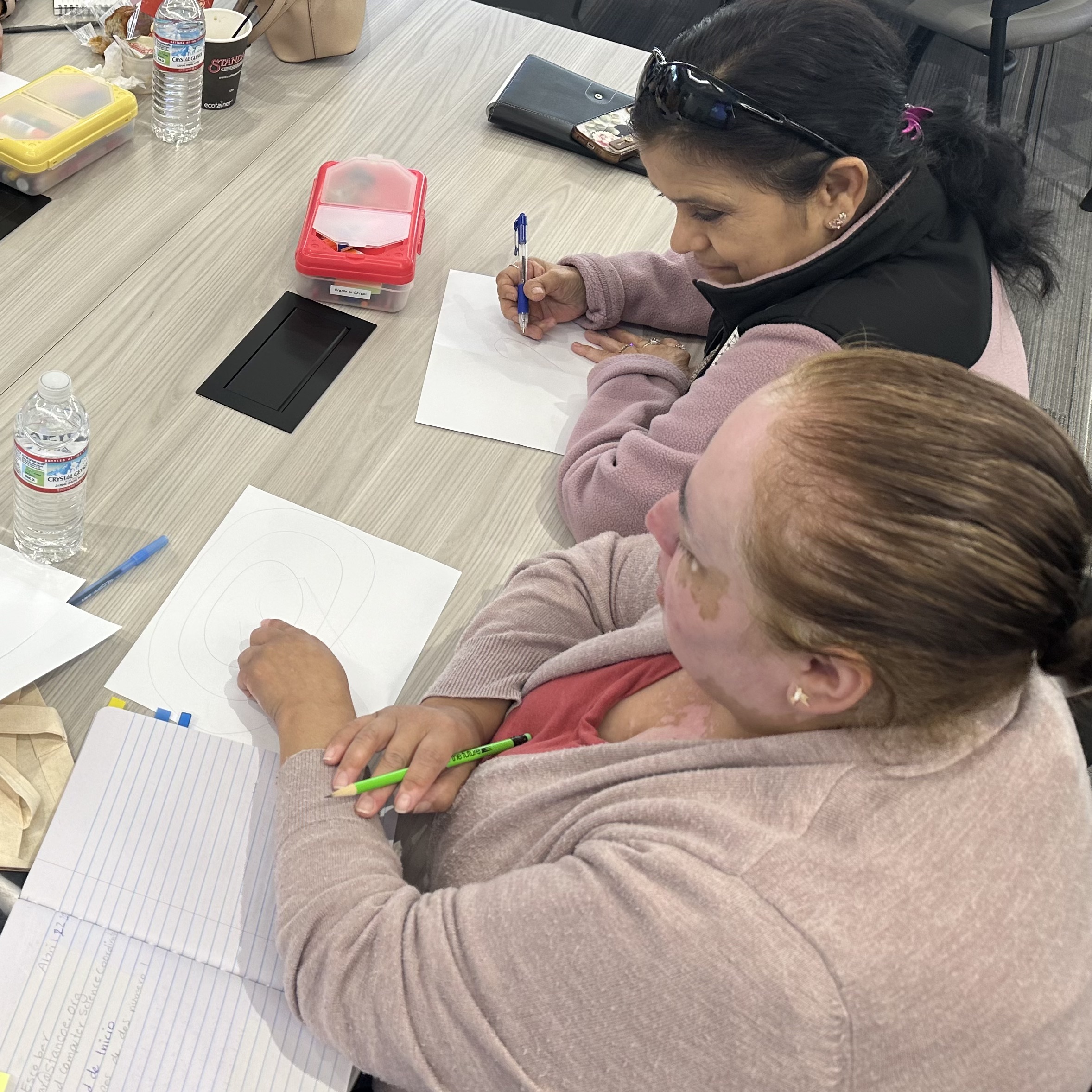
In the heart of California's Central Valley, a quiet revolution is unfolding, driven not by policymakers or tech titans, but by parents determined to equip their children with the skills of the future. For months, a dedicated group of mothers in Stanislaus County has been meeting, transforming from novice users of smartphones into vocal advocates for robust computer science education within their local schools.
Bridging the Digital Divide, One Parent at a Time
These parents, many from migrant communities with limited formal education or prior exposure to digital tools, have been attending monthly two-hour sessions. Their journey began with the fundamentals: mastering email, navigating essential computer applications, and understanding the basic functionalities of a computer. It's a crucial first step in a world increasingly reliant on digital literacy.
The program, spearheaded by Rudy Escobar, a passionate advocate for computer science access in underserved areas, aims to do more than just impart technical skills. Escobar, who coordinates computer science and STEM initiatives at the Stanislaus County Office of Education, is also training these parents to become powerful voices for change.
“We are trying to move the needle in any possible way that we can,” Escobar explained. “We want to empower them to understand what it is and how they can motivate their kids to go into those fields, and then to also advocate in their schools.”
From Texting to Tech Advocacy
For many of these parents, their smartphones were once primarily tools for communication – texting, calls, and messaging apps. The idea of using these devices, or a computer, for learning or career advancement was largely unexplored. Now, they are learning to leverage technology not just for personal use, but as a powerful lever for educational reform.
Kelly Solis, a stay-at-home mother of two students, shared her experience. Prior to the sessions, her technological understanding was minimal, compounded by challenges with English language proficiency. “The classes taught me some very important and basic things that many parents need to know, such as how to create an email account, send an email, use a computer, use the keyboard, understand the main parts of a computer,” she said.
Solis believes that Latino families in her school community, like the Patterson Joint Unified School District where her children attend, would significantly benefit from expanded access to technology-focused courses. This sentiment is echoed by other parents in the group.
The Urgency of Early Exposure
Avelina Perza, a mother of three, highlighted the gap in computer science offerings at her children's schools. While the high school provides a couple of computer science classes, her younger children, in middle school, have no such opportunities. This is a critical concern for advocates who stress the importance of introducing computer science concepts at earlier ages.
“Not many students have the opportunity to have those classes,” Perza stated, underscoring the need for foundational learning in elementary and middle school to spark interest before students reach high school. While the district offers STEM-related activities like robotics in after-school programs, dedicated computer science classes remain elusive for many.
Mirna Macedo, another participant, had no prior knowledge of emerging technologies like artificial intelligence (AI) until she joined Escobar's sessions. The parents are now actively learning how to advocate for increased access to these vital subjects for both their own children and the wider community.
A Call for Resources and Inclusion
Macedo expressed a strong desire to bring computer skills training to other parents in her community, but she immediately identified the practical barriers: “But we need a place; we need computers; we need internet.” This highlights a systemic challenge – the lack of adequate infrastructure and resources in many underserved schools and communities.
Both Macedo and Perza are pushing for computer science to be integrated into the curriculum from the earliest grades. Perza is actively engaging with her children's middle school administration to discuss the possibility of adding these crucial classes. The parents are not just passively learning; they are actively engaging with school leadership.
Neil Vento, the communications coordinator for the Patterson district, acknowledged the parents' input. He stated, “We are ready to sit down, hear them out and see what we can do to make sure that we can provide the educational resources that will help them and their families and students thrive.” This indicates a willingness from some school districts to listen and collaborate.
Empowering Advocacy Through Knowledge
The parents involved in Escobar's program have taken a significant step by drafting letters to school principals, the school board, and the superintendent. These letters articulate a clear demand for a curriculum that includes digital literacy, coding, and AI education for students.
Escobar draws a stark contrast between the opportunities available in affluent schools and those in less privileged communities. “You see it in affluent schools — they’re teaching a whole pathway of computer science because the parents are the ones that are demanding that,” he observed. This underscores the power of parental advocacy in shaping educational priorities.
The experience has been transformative for these parents. Beyond acquiring new technological skills, they have gained the confidence and knowledge to advocate for systemic change. They understand that by demanding more computer science classes, they are creating pathways to greater opportunities for their children and their entire community.
A Vision for Valley-Wide Impact
The ambition of this group extends far beyond their immediate school districts. “We want to bring this not just to our community, (but) to the whole Valley,” Macedo declared, emphasizing the widespread need for such initiatives. Their efforts represent a grassroots movement to ensure that no student is left behind in the digital age.
The push to expand computer science education across California, particularly in rural and low-income areas, has been ongoing for a decade. Data indicates progress, with the percentage of California high schools offering computer science classes rising significantly. However, disparities persist, with students from minority groups, rural areas, and low-income backgrounds still facing greater barriers to access.
In the 2024-25 school year, 58% of California high schools offered a computer science class, a notable increase from 39% in 2016. Yet, only 44% of rural schools provided such courses, compared to 63% of urban and suburban schools. This disparity fuels the urgency behind the work of advocates like Escobar and the determined parents he is empowering.
The journey from understanding basic computer functions to advocating for comprehensive curriculum changes is a testament to the power of education and community organizing. These parents are not just learning; they are leading the charge to redefine what's possible for their children's futures in the digital economy.





 Explore AI Teaching Tools
Comments (0)
Please login to comment
No comments yet
Be the first to comment on this article