
Federal Funding Under Fire: California Educators Rally to Defend Crucial College Access Programs
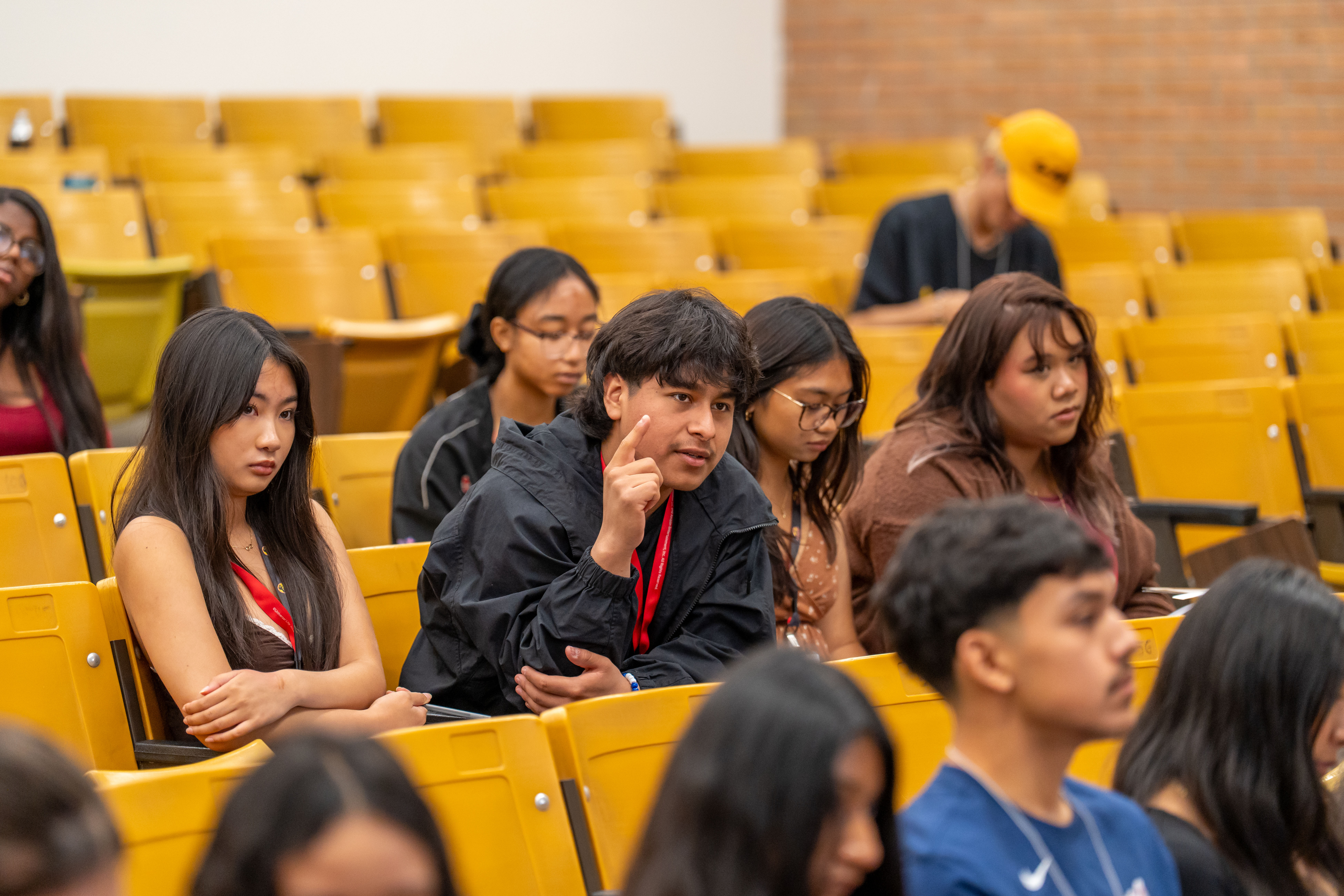
As summer heat blankets California, a quiet crisis is unfolding on college campuses and in remote communities. Students are experiencing their first taste of college life in dorms, exploring academic frontiers through research symposia, and connecting with nature on educational excursions. These transformative experiences are not happenstance; they are the direct result of federally funded TRIO programs, a vital network designed to bolster access to higher education for low-income and first-generation students.
From the shadow of Yosemite National Park to the bustling campuses of Los Angeles, TRIO initiatives are weaving a critical safety net. These programs, which can begin as early as middle school, provide essential preparation for college enrollment, offering mentorship, academic guidance, and invaluable research opportunities. In California alone, over 100,000 students benefited from TRIO programs during the 2023-24 academic year, a testament to their widespread impact.
“I truly don’t believe I could have navigated City College without them,” shared Ekaterini Stamatakos, a recent TRIO participant who transitioned from an associate degree to UCLA. Her experience highlights how these programs extend far beyond their stated descriptions, profoundly shaping students' educational journeys and futures.
A Shadow Looms: Proposed Cuts Threaten Decades of Progress
Despite the demonstrable success and widespread reach of TRIO programs, a significant threat looms. A proposal from a previous administration aims to eliminate these essential services, potentially defunding all TRIO initiatives, including tutoring, college application assistance, and financial literacy workshops, starting in fiscal year 2026. The uncertainty surrounding their future funding underscores the urgency of the current debate.
TRIO, a name derived from an original trio of programs but now encompassing eight distinct initiatives, has historically enjoyed bipartisan support and weathered funding challenges. With an annual budget exceeding $1 billion, its continued existence has been a point of bipartisan consensus. However, a recent White House budget request characterized TRIO programs, born from 1960s anti-poverty policies, as outdated.
The argument presented suggests that college access is no longer the significant barrier it once was for disadvantaged students. The proposal posits that colleges should independently fund their outreach to K-12 schools and support students once they arrive on campus. This perspective overlooks the persistent systemic challenges many students face and the unique role TRIO plays in bridging those gaps.
California's Stand: Educators Mobilize Against Proposed Defunding
The potential defunding of TRIO has galvanized supporters across California, prompting a renewed public awareness campaign to advocate for the preservation of these crucial programs. An analysis of federal data reveals that California hosted approximately 450 TRIO programs in the 2023-24 academic year, with the majority of funding directed to initiatives housed within over 100 colleges and universities.
This proposed cut comes at a time of broader federal shifts impacting education. The administration has seen a Supreme Court victory that could lead to significant workforce reductions at the U.S. Department of Education. Concurrently, California has joined a coalition of states seeking the release of $6.8 billion in frozen federal school funding, highlighting ongoing tensions over resource allocation.
Institutions like Sonoma State University, Cal Poly Pomona, and UC Davis each receive millions annually through TRIO to serve thousands of students. Smaller programs, often at community colleges, support hundreds of students with budgets under $300,000, demonstrating the diverse scale and reach of these initiatives.
Bridging Distances in Rural California
In the remote landscapes of Northern California, TRIO programs are a lifeline for students in communities grappling with economic uncertainty and educational disparities. At Cal Poly Humboldt, Upward Bound students engage in enriching summer academies, exploring literature and culture through field trips that broaden their horizons.
Jen Dyke, director of the Upward Bound program at Cal Poly Humboldt, herself a former TRIO student, travels extensive distances to recruit from rural areas like Hayfork and Hoopa. These regions face challenges such as high teacher turnover and low math proficiency, compounded by declining industries like timber and fishing, and a struggling tourism sector due to wildfires.
“These areas we serve are facing dismal futures if we also cut TRIO,” Dyke stated, emphasizing the program's role in offering hope and opportunity. Cal Poly Humboldt’s TRIO initiatives are part of a national network serving predominantly rural communities, ensuring that geographic isolation does not equate to educational isolation.
Rose Sita Francia, who leads the Talent Search program at Cal Poly Humboldt, focuses on introducing even sixth graders to potential career paths and the concept of postsecondary education. For many students in these remote locations, understanding where higher education institutions are located is the first step in envisioning themselves on campus.
Nurturing Aspirations in Education Deserts
Anneka Rogers Whitmer oversees TRIO programs at Columbia College, situated over an hour's drive from the nearest four-year universities. The college's Educational Opportunity Center serves over 1,000 individuals across five counties, with a small team reaching out to prisons and social service agencies, demonstrating a commitment to serving underserved populations.
Whitmer describes her service area as an "education desert," where overcoming distrust of college degrees requires creative outreach and personalized guidance. Her team provides crucial assistance with financial aid applications and vocational training options, ensuring that students have a clear pathway to their educational goals.
Beyond Academics: TRIO as a Foundation for Success
The impact of TRIO extends far beyond academic preparation. For students like Ekaterini Stamatakos, who faced housing instability and academic struggles, TRIO programs provided a critical support system. After attending multiple high schools and facing academic setbacks, she found a welcoming environment and essential guidance within the TRIO Writing Success Project at City College of San Francisco.
Ghislaine Maze, who coordinates the program, explained that it offers much more than writing workshops. It provides mentorship and a supportive space for students who might otherwise feel lost or discouraged amidst the demands of college life. With limited campus resources and overbooked academic advisors, TRIO mentors offer a crucial point of contact and consistent support.
“That’s where a program like ours kind of fits in,” Maze noted, highlighting the program’s ability to fill gaps in institutional support. Stamatakos’s experience exemplifies this, as she credits her TRIO writing tutor with helping her achieve an 'A' in a course she had previously struggled with, a milestone that reshaped her perception of her own academic capabilities.
A History of Resilience: TRIO's Enduring Bipartisan Appeal
The current debate over TRIO funding is not unprecedented. Historically, Republican-led administrations have sought to reduce TRIO's budget, only to be met with strong opposition from advocates and bipartisan lawmakers. During the Reagan administration, TRIO supporters successfully blocked attempts to halve the program's budget, and similar efforts were thwarted during the Clinton administration.
While some studies have raised questions about the statistically significant impact of certain TRIO components on postsecondary enrollment, advocates counter with extensive data and anecdotal evidence of TRIO's profound influence on students' lives and career trajectories. Alumni often become leaders in their communities and even return to lead TRIO programs themselves, creating a powerful cycle of support.
“I have alumni whose kids are now in college and thriving, or have graduated college,” said Rafael Topete, who directs a TRIO Student Support Services Program at Cal State Long Beach, underscoring the intergenerational impact of these initiatives.
Navigating Accountability and Evolving Priorities
Critics, including a former Secretary of Education, have pointed to accountability concerns and the need for clearer effectiveness metrics for federal spending. However, TRIO program staff consistently report detailed data on high school graduation rates and college enrollment statistics as a condition of their federal funding.
“Every year, we report data to verify we are doing what we said we would do,” stated Kathy Kailikole, a veteran of TRIO programs with three decades of experience. This consistent reporting demonstrates a commitment to transparency and program efficacy.
Despite the current political climate, TRIO continues to garner significant bipartisan support in Congress. The TRIO Caucus boasts 130 members, including 26 Republicans, and prominent Republicans have publicly voiced concerns about proposed cuts. This suggests a shared understanding of the program's value across the political spectrum.
However, recent notices sent to three Upward Bound grantees outside California indicated that their funding would not be continued, citing conflicts with administration priorities and potential violations of federal civil rights law. These cancellations highlight the potential for ideological differences to impact program continuation, even amidst broader bipartisan support.
The Road Ahead: Ensuring Continued Access for Future Generations
The ongoing discussions surrounding federal funding for TRIO programs underscore a critical juncture for educational equity in California and across the nation. The programs' ability to reach students in diverse settings, from urban centers to remote rural communities, makes them an indispensable component of the national education landscape.
As lawmakers deliberate on appropriations, the voices of students, educators, and alumni who have benefited from TRIO will be crucial. Their testimonies offer compelling evidence of the programs' transformative power, demonstrating that TRIO is not a relic of the past, but a vital investment in the future of countless students and the nation's collective potential.






 Explore AI Teaching Tools
Comments (0)
Please login to comment
No comments yet
Be the first to comment on this article