
Beyond the Headlines: How a PhD Unlocked a Groundbreaking Approach to Global Peacekeeping
The world of international relations often conjures images of high-stakes diplomacy and global summits. Yet, beneath the surface of these grand narratives lies a complex reality, one where the effectiveness of critical missions can hinge on seemingly minor details. For one rising scholar, a deep-seated curiosity about these overlooked mechanisms has not only shaped her academic journey but also led to a profound re-evaluation of how international peacekeeping operations function.
The Unseen Barriers to Peace
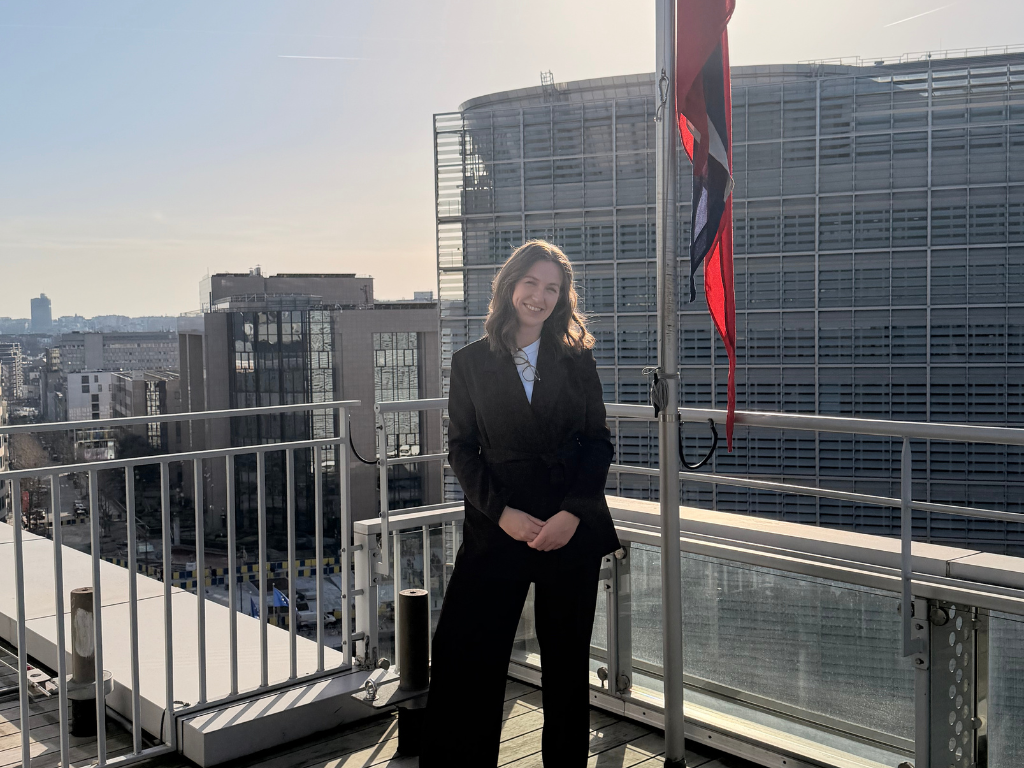
For years, the prevailing focus in the study of international peacekeeping missions has been on the initial hurdle: gaining access into a conflict-affected nation. The critical question of what happens *after* peacekeepers are welcomed across borders has largely remained in the shadows. This is precisely the gap that Tiril Høye Rahn, a distinguished alumna of the University of Oxford, set out to illuminate.
Rahn’s academic pursuit wasn't driven by a singular job title, but by a burning desire to explore specific, complex topics. This shift in perspective, she explains, fundamentally broadens the scope of possibilities, transforming the entire world into a landscape of potential research and impact.
A PhD Born from a Lingering Question
The genesis of Rahn’s doctoral work at Oxford stemmed from a persistent question that arose during her extensive engagement with politics and international affairs. While much attention is paid to the diplomatic negotiations that permit peacekeeping forces entry, Rahn was intrigued by the subsequent limitations they might face on the ground.
“A lot of research looks at when states accept peacekeeping missions,” Rahn explains. “But very little look at where those missions are actually allowed to go once they’re inside.” This observation became the central thesis of her PhD, a deep dive into the practical realities of international intervention.
Unpacking the "Power of Access"
To rigorously investigate her hypothesis, Rahn embarked on an ambitious data analysis. She meticulously examined 25 years of United Nations peacekeeping missions across Africa, employing sophisticated geospatial data to map the operational reach of these forces.
Her research uncovered compelling patterns that challenged conventional understandings. The findings revealed a stark dichotomy in access, directly correlating with the source of violence within a host country.
“When rebel groups commit violence, peacekeepers tend to get access to those areas,” Rahn explains. “But when governments commit violence against their own civilians, access is often restricted.” This suggests a deliberate manipulation of operational freedom by state actors.
When Access Becomes a Weapon
Rahn’s groundbreaking work introduced the concept of "The Power of Access," arguing that the ability to control where international missions can travel is, in itself, a strategic tool wielded during times of conflict. This insight adds a crucial layer to the existing discourse on peacekeeping, moving beyond the mere presence of forces to the efficacy of their deployment.
While diplomats and field practitioners often intuitively grasp these dynamics through lived experience, Rahn’s academic research provides the systematic evidence needed to confirm these observations as trends rather than isolated incidents. “Policymakers often know these things from experience,” Tiril explains. “However, research allows you to show that it’s not just one case — it’s a trend.”
Her findings were so significant that she was invited to present them at the UN headquarters in New York, directly engaging with officials responsible for the very operations her work sought to understand. This direct dialogue between academia and policy underscores the tangible impact of her research.
Navigating the Demands of a Global Career
The pursuit of a career in international relations, diplomacy, or peace and security is not for the faint of heart. It demands immense dedication, resilience, and a profound capacity to confront some of the world's most challenging realities. Rahn herself acknowledges the emotional toll that constant exposure to war, violence, and humanitarian crises can take.
Her own journey, which began with a fascination for these topics at the young age of 14, has been a testament to years of focused effort and strategic planning. Today, she serves as an advisor and diplomatic training officer at the Norwegian Ministry of Foreign Affairs, a position she earned through a combination of academic rigor and practical initiative.
The Art of Self-Preservation in a Demanding Field
In an era where information is constantly at our fingertips, the ability to disconnect from the relentless stream of global crises is paramount for well-being. Rahn advocates for a structured approach, treating her engagement with sensitive topics much like a professional job with defined working hours.
“I read the news during work hours, and once I end work, I try to disconnect,” she explains. This conscious effort to compartmentalize allows for sustained engagement without burnout. This principle extends to personal conversations about her work.
“These are sensitive issues,” she notes. “Sometimes when people ask about them casually at a party, I’ll say, ‘That’s a really important question — let’s grab coffee tomorrow and talk about it properly.’” This approach demonstrates respect for the gravity of the subject matter and a commitment to her own mental health.
Building Bridges Through Proactive Engagement
For aspiring professionals in international relations, Rahn emphasizes a simple yet powerful strategy: never be afraid to ask. Her own path, from a young teenager reaching out to influential institutions, highlights the transformative power of direct communication.
“One thing I always encourage people to do is talk to people who already have the jobs you’re interested in,” she advises. “Ask for coffee. Ask for 15 minutes of their time. Just like how I called the Prime Minister’s office, the Ministry of Foreign Affairs, and the Nobel Peace Prize organisation.”
This proactive outreach, Rahn explains, is a numbers game. “If you do it enough times, you forget the no’s and only remember the yeses,” she says. The worst-case scenario is simply a lack of response, a minor setback in the pursuit of significant opportunities.
The Lingering Value of Language Skills
Beyond initiative and intellectual curiosity, Rahn points to practical skills that can significantly enhance one's career trajectory. Chief among these is the acquisition of languages, a skill that remains indispensable in international organizations and diplomatic circles.
“French is much more important than I realised,” she shares candidly, reflecting on her own experience. “I share that as someone who wishes she spoke better French.” Proficiency in languages not only facilitates communication but also demonstrates a deeper cultural understanding and commitment to international engagement.
Cultivating Global Perspectives
International exposure is another critical component for anyone aspiring to work in this field. Rahn stresses that such experiences do not necessarily require substantial financial investment. There are numerous accessible avenues to immerse oneself in different cultures.
“There are so many ways to experience other cultures,” Tiril explains. “Working abroad, staying with host families, volunteering — you don’t have to empty your pockets to do it.” These experiences foster empathy, broaden perspectives, and build invaluable cross-cultural competencies.
Founding a Community of Thought Leaders
Upon arriving at Oxford for her postgraduate studies, Rahn identified a void in the student community: a dedicated society for those passionate about peace, security, and diplomacy. This observation spurred her to action, leading to the establishment of a vibrant academic network.
Initially hesitant due to her recent arrival, Rahn was motivated by the shared interests of her peers. She went on to found the “Oxford Diplomatic Society,” which has since grown into one of the university's largest international affairs networks. This society serves as a crucial platform for dialogue among diplomats, academics, and policymakers.
The society has hosted over 50 high-level discussions, reaching an audience of 15,000 individuals and amassing a membership of over 1,000 students. This initiative exemplifies Rahn's commitment to fostering intellectual exchange and building a supportive community within the international relations sphere. Her work, both in research and community building, continues to shape the understanding and practice of global peacekeeping.





 Explore AI Teaching Tools
Comments (0)
Please login to comment
No comments yet
Be the first to comment on this article