
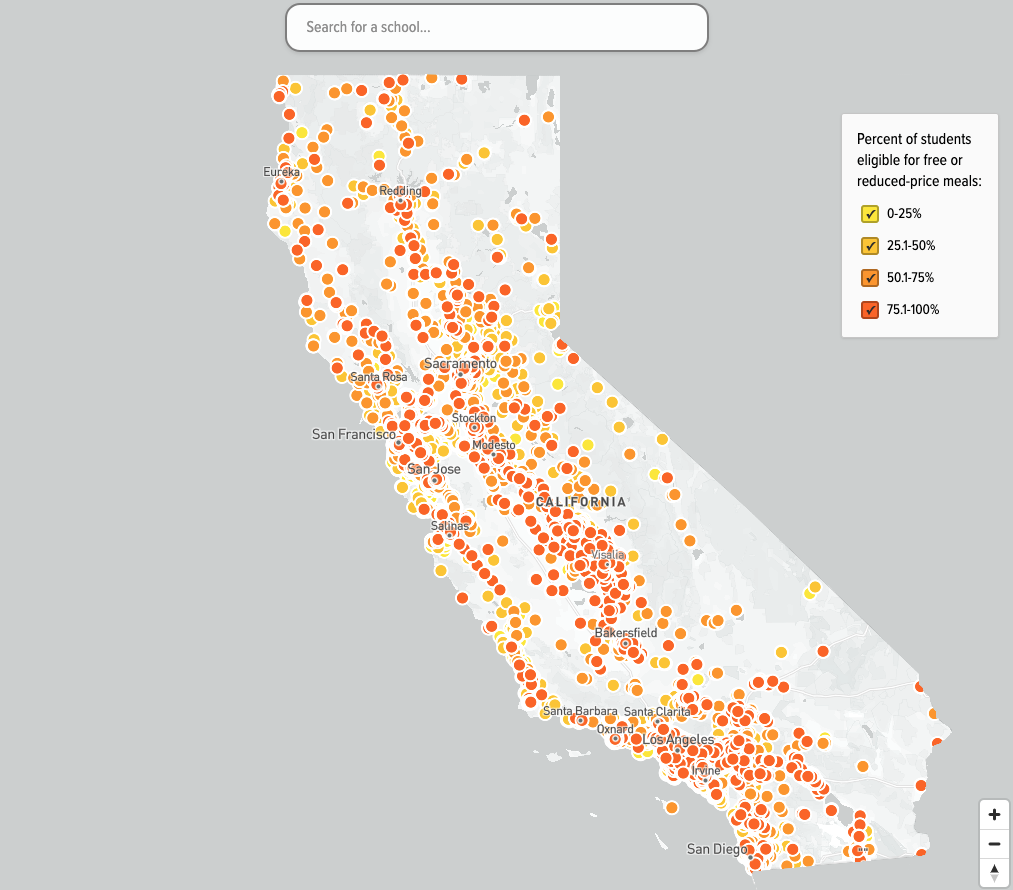
Navigating Food Insecurity: How schools and Families Are Responding to SNAP Challenges
The vital role of consistent nutrition in a student's academic success and overall well-being cannot be overstated.When access to essential food resources, such as those provided by programs like SNAP (Supplemental Nutrition Assistance Program), faces disruption, the impact reverberates throughout school communities.
This article explores the proactive and compassionate ways schools, families, and students are banding together to address food insecurity, ensuring that no child goes hungry, even when faced with unexpected challenges.
We'll delve into the strategies being employed, the unique position of schools as community hubs, and the critical importance of these collective efforts.
Understanding the Landscape of Food Assistance and Its Challenges
For millions of families, SNAP, often referred to as food stamps or CalFresh in California, serves as a crucial lifeline, bridging the gap between available resources and the necessity of providing nutritious meals.This federal program is designed to offer essential support, particularly for low-income households, and its timely delivery of benefits is paramount.
However, as recent events have highlighted, disruptions to these programs can create immediate and widespread hardship.
When benefit delivery is delayed or uncertain, families that rely on this assistance face immense pressure, often scrambling to find alternative sources of food.
This situation underscores the vulnerability of many households and the critical need for robust support systems.
The Impact of SNAP Disruptions on Families
When SNAP benefits are delayed, the consequences for families can be severe.Parents and guardians are faced with the daunting task of stretching existing resources or finding entirely new ways to feed their children.
This often means increased reliance on food banks, community pantries, and the goodwill of others.
The stress and anxiety associated with food insecurity can significantly impact a family's emotional well-being, and for students, this can translate into difficulties concentrating in school, lower academic performance, and increased behavioral issues.
The ripple effect is undeniable, highlighting why a stable and predictable food assistance system is so vital.
The Role of Schools in Addressing Food Needs
Schools, particularly those serving diverse student populations, are often at the forefront of identifying and addressing food insecurity within their communities.Beyond providing daily meals, many schools are evolving into essential resource centers, offering a range of support services that extend to families.
educators and administrators witness firsthand the challenges students face due to hunger, making them uniquely positioned to respond to crises.
Their proximity to students and families allows for rapid identification of needs and the implementation of targeted interventions.
Innovative School-Based Solutions for Food Support
In the face of food assistance challenges, school communities have demonstrated remarkable resilience and creativity.Many institutions are going above and beyond their traditional roles to ensure students and their families have consistent access to nutritious food.
These initiatives, often driven by dedicated staff and student volunteers, showcase the power of collective action.
Expanding Meal Programs and Services
Recognizing that school-provided meals are a critical safety net, many schools are enhancing their existing programs.This includes not only offering breakfast and lunch but also exploring options for additional meals throughout the day or week.
For example, some schools are implementing "third meal" programs, providing an afternoon snack or a take-home meal for students to consume outside of school hours.
This ensures that students have access to sustenance even after the school day ends, addressing the needs of weekends and evenings.
Establishing On-Campus Food Pantries and Resource Hubs
A growing number of schools are creating dedicated food pantries directly on campus.These pantries serve as accessible points for students and families to obtain non-perishable food items, fresh produce, and other essentials.
The establishment of these pantries is often a direct response to immediate needs, providing a tangible solution for families struggling with benefit delays.
These hubs are not just about providing food; they are about creating a welcoming and supportive environment where families feel comfortable seeking assistance without stigma.
Student-Led Initiatives: Culinary Arts and Community Service
Students themselves are becoming active participants in addressing food insecurity.Culinary arts programs, for instance, are transforming into powerful engines for change.
Students are not only learning valuable cooking skills but are also applying them to prepare nutritious meals for families in need.
These projects foster a sense of empathy, teamwork, and civic responsibility.
The experience of planning, preparing, and distributing food for others provides students with a profound understanding of the challenges faced by their peers and the satisfaction of making a tangible difference.
Such hands-on learning experiences are invaluable for holistic student development.
Community Collaboration: A Network of Support
The response to food insecurity is rarely a solitary effort.Schools are increasingly collaborating with a wide array of community partners to amplify their impact and reach more families.
This collaborative approach leverages the strengths of various organizations, creating a robust network of support that can effectively address complex challenges.
Partnering with Local Food Banks and Pantries
Schools are forging strong partnerships with local food banks and community pantries.These collaborations ensure a steady supply of food for on-campus pantries and distribution events.
By coordinating efforts, schools can help direct families to existing resources and, in turn, food banks can better understand the specific needs of the school community.
This synergy is crucial for maximizing the reach and effectiveness of food assistance programs.
Engaging Non-Profit Organizations and Community Groups
Non-profit organizations and community-based groups play a pivotal role in supporting school food initiatives.These organizations often provide funding, volunteer support, and expertise in areas such as food sourcing, logistics, and outreach.
Their involvement helps schools to scale their efforts, organize fundraising campaigns, and ensure that resources are distributed efficiently and equitably.
The California Alliance of Child and Family Services, for example, represents numerous organizations that work closely with schools to provide essential services to children and families.
Leveraging Local Government and District Support
Local governments and school districts are also stepping up to provide crucial support.This can include allocating emergency funds, facilitating partnerships, or expanding existing district-wide programs.
For instance, some school districts are working to ensure that students have access to a third meal at school during the week, demonstrating a commitment to addressing food insecurity at a systemic level.
The proactive measures taken by districts like Folsom Cordova Unified and Los Angeles Unified highlight the importance of leadership in mobilizing resources and implementing effective solutions.
The Broader Impact: Building Resilient School Communities
The efforts to combat food insecurity extend beyond immediate relief; they contribute to building more resilient and supportive school communities.When schools and families work together, they foster a sense of belonging and mutual aid that can weather various challenges.
Fostering a Sense of Community and Belonging
Initiatives that provide food support create a tangible demonstration of care and solidarity.When students and families know that their school community is looking out for them, it strengthens their connection to the institution and to each other.
This sense of belonging is vital for student well-being and academic engagement.
Principal Allen Sims' sentiment, "We don't want them to be alone, and we want them to know that we care about them," perfectly encapsulates this crucial aspect.
Educating Students on Social Responsibility and Empathy
Student involvement in food assistance programs offers invaluable learning opportunities.Through hands-on participation, students develop a deeper understanding of social issues, cultivate empathy, and learn the importance of contributing to their communities.
The experience of Lilya Medvedev and her classmates in preparing meals for families facing hardship is a prime example of how education can extend beyond the classroom, fostering active and compassionate citizens.
Advocating for Sustainable Food Security Solutions
The challenges posed by SNAP disruptions also serve as a catalyst for advocating for more sustainable and robust food security policies.By highlighting the real-world impact of these issues, schools and community organizations can inform policymakers and drive systemic change.
The call for a state of emergency by organizations like United teachers Los Angeles underscores the urgency and the need for long-term solutions that ensure consistent access to nutritious food for all students and families.
Conclusion
The resilience and compassion demonstrated by schools, families, and students in the face of food assistance challenges are truly inspiring.From expanding meal programs and establishing on-campus pantries to student-led culinary initiatives and robust community collaborations, these efforts are creating vital safety nets and fostering a stronger sense of community.
While disruptions to programs like SNAP present significant hurdles, the proactive and innovative responses highlight the indispensable role schools play as centers of support and care.
By working together, these communities are not only addressing immediate needs but are also building a foundation for greater food security and a more equitable future for all students.
The commitment to ensuring that every child has access to nutritious food is a testament to the power of collective action and the unwavering dedication of those who believe in the well-being of every student.







 Explore AI Teaching Tools
Comments (0)
Please login to comment
No comments yet
Be the first to comment on this article