
Soaring to the Top: How Drones Are Revolutionizing STEM Education and Inspiring the Next Generation
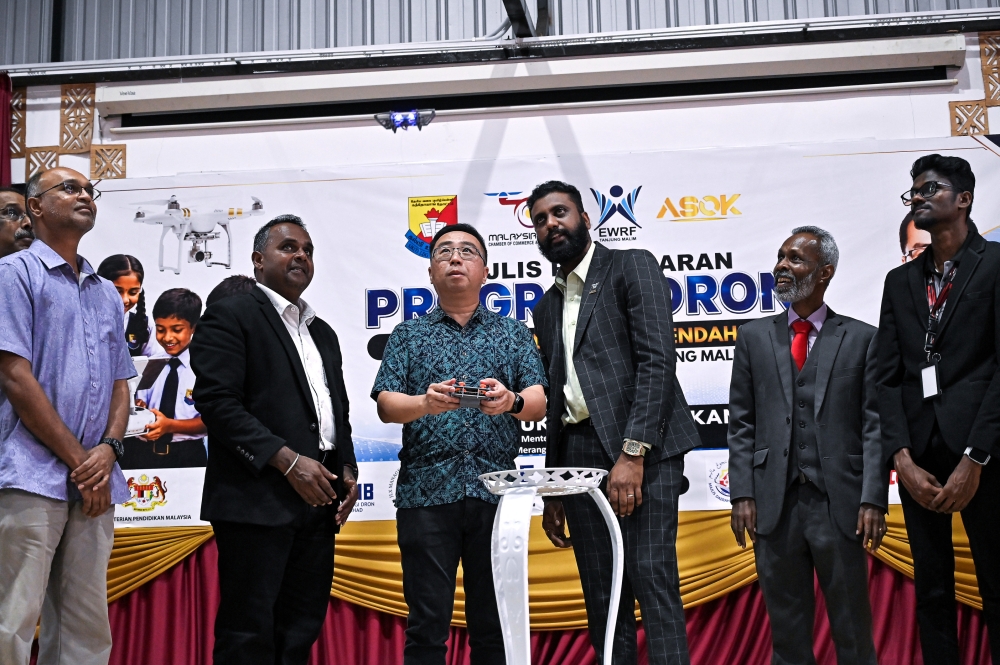
Imagine a classroom where students aren't just reading about physics, but are actively piloting a drone through a complex obstacle course, their understanding of aerodynamics and control systems coming alive in real-time. This isn't a futuristic fantasy; it's the emerging reality in educational settings aiming to ignite passion for science, technology, engineering, and mathematics.
A surprising shift is underway, moving beyond traditional textbooks to embrace hands-on, high-tech learning tools. Experts are pointing to drone technology as a powerful catalyst, capable of transforming how students engage with STEM subjects and shaping the future workforce.
Unlocking the Potential of Aerial Learning
The allure of drones for young learners is undeniable, but their educational value extends far beyond mere entertainment. These flying machines offer a tangible gateway into complex scientific principles and sophisticated engineering challenges.
The integration of drones into the curriculum allows students to directly apply theoretical knowledge. They learn about the intricate interplay of mathematics, physics, and engineering as they design, build, and program these devices.
From Hobby to High-Tech Careers
What might seem like a simple toy is, in fact, a sophisticated piece of technology. Operating a drone requires an understanding of coding, artificial intelligence, and data analysis, skills that are increasingly in demand across numerous industries.
This early exposure is crucial for preparing students for a rapidly evolving job market. The drone industry itself is poised for significant growth, necessitating a skilled workforce ready to innovate and operate within this expanding sector.
Bridging the Gap in STEM Engagement
For too long, subjects like mathematics and engineering have been perceived as abstract or intimidating. Drone-based learning offers a compelling solution, making these disciplines more accessible and engaging for a wider range of students.
By providing an interactive and experiential learning environment, educators can foster a deeper curiosity for science and technology. This approach helps demystify complex concepts and encourages students to explore their potential in STEM fields.
A Collaborative Ecosystem for Innovation
The successful implementation of drone classrooms is not a solitary effort. It represents a powerful model of collaboration, bringing together various stakeholders to nurture future talent.
This synergy involves industry partners, government initiatives, community support, and educational institutions working in concert. Such partnerships are vital for creating a robust ecosystem that cultivates STEM, STEAM, and STREAM talent.
Drones in Action: Real-World Applications
The educational impact of drones is amplified when students see their direct relevance to real-world problems. These devices are not just for the classroom; they are tools shaping industries and addressing global challenges.
Students can witness firsthand how drone technology is revolutionizing fields such as smart agriculture, enabling precision farming and resource management. They can also explore its critical role in search and rescue operations and disaster response, highlighting the life-saving applications of science and engineering.
Furthermore, the principles learned through drone operation extend to understanding air transportation logistics and the future of aerial mobility. This practical application makes abstract scientific concepts concrete and inspiring.
The Broader Energy Landscape: Beyond Solar
While the focus on technology in education is paramount, it's important to consider the wider technological advancements shaping our world. In the realm of energy, for instance, significant strides are being made.
The global energy crisis necessitates a diversified approach to power generation. While solar energy holds immense promise, its inherent dependence on weather conditions means it cannot solely fulfill baseload energy requirements.
This reality underscores the need to explore a spectrum of energy solutions. Alongside solar, countries are investigating the potential of hydropower, geothermal energy, and even nuclear power to ensure a stable and sustainable energy future.
Cultivating Tomorrow's Innovators
The integration of drone technology into educational frameworks is more than just a trend; it's a strategic imperative. It equips students with the critical thinking, problem-solving, and technical skills essential for navigating the complexities of the 21st century.
By making STEM subjects exciting and relevant, these initiatives are paving the way for a generation of innovators, engineers, and scientists. This hands-on, forward-thinking approach is key to unlocking future advancements and ensuring a prosperous technological landscape.






 Explore AI Teaching Tools
Comments (0)
Please login to comment
No comments yet
Be the first to comment on this article