
The Robot Best Friend's Demise: A Stark Warning for Early Childhood Development
The sudden shutdown of a popular AI companion robot, designed to foster social and emotional growth in young children, has sent shockwaves through families and ignited a critical debate about the role of artificial intelligence in early development. The emotional fallout, captured in poignant online videos of heartbroken children bidding farewell to their beloved digital friends, underscores a growing concern among experts: the irreplaceable nature of human connection for a developing mind.
When Digital Companions Fade: The Emotional Toll
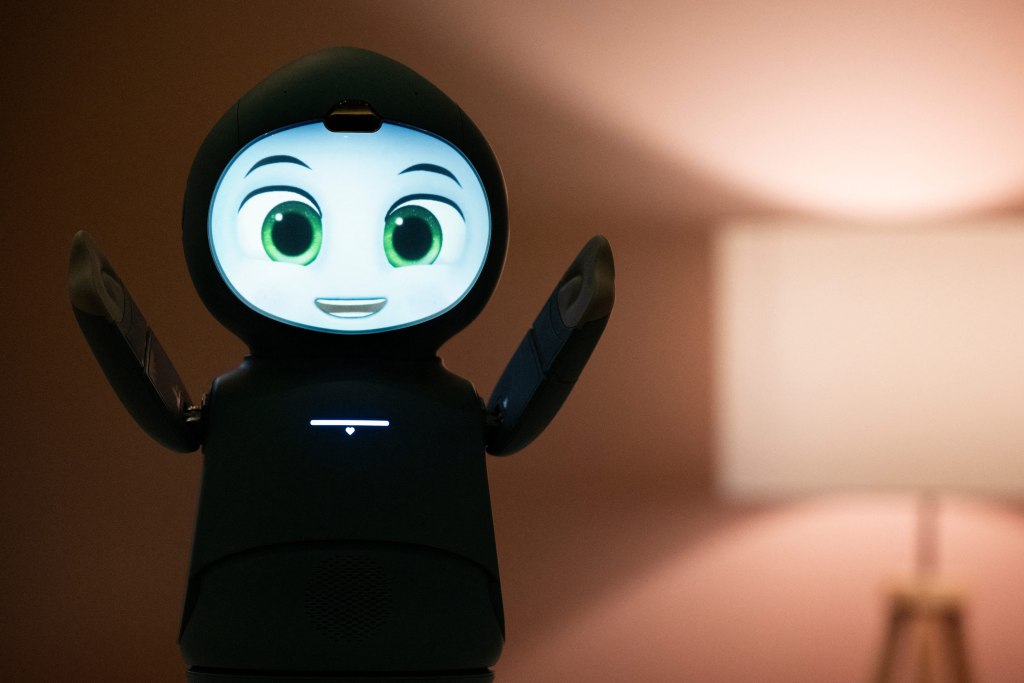
Just four years ago, a 14-inch tall robot named Moxie captured the imaginations of children, promising to be a confidant and teacher. Through AI-driven conversations and interactive games, it aimed to cultivate essential social and emotional skills. Many children formed deep attachments, viewing Moxie not just as a toy, but as a genuine friend.
The abrupt cessation of service, however, left these young users devastated. Parents were faced with the difficult task of explaining that their $799 companion would soon cease to function. The ensuing scenes of tearful goodbyes and profound sadness highlighted the emotional impact of these digital relationships on vulnerable children.
The "Deferential" Danger: Why AI Falls Short
Dr. Dana Suskind, a leading figure in pediatric research, views these events as a preventable tragedy and a symptom of a larger issue. She argues that AI tools, while seemingly beneficial, are fundamentally too “deferential” to truly foster the complex skills children need.
While it can be challenging for parents to witness their children navigate disagreements or difficult social encounters, these “productive struggles” are crucial. Experiencing conflict, learning to compromise, and repairing relationships are foundational to developing critical thinking, deep connection, creativity, and curiosity. Suskind contends that AI, by its very nature, cannot replicate the nuanced, often messy, human interaction that drives these essential developmental processes.
The Brain's Blueprint: The Primacy of Human Interaction
Dr. Suskind’s latest work delves into decades of scientific research on brain development, emphasizing the profound need for human interaction during the formative years. Her findings reveal that the early years are a critical window where talk, responsiveness, and the back-and-forth of human engagement serve as the primary architects of a child's brain.
This intricate process, she explains, is not something that can be outsourced to algorithms. The constant, adaptive, and emotionally rich input from parents and caregivers is the essential instruction guide for building a child's neural pathways. AI, in its current form, offers a fundamentally different kind of interaction, one that lacks the depth and complexity required for robust human development.
A Growing Digital Embrace: AI's Expanding Footprint
The implications of AI's increasing presence in children's lives are far-reaching. A recent survey indicates a significant percentage of young children are already engaging with AI for educational purposes and creative endeavors. Chatbots are becoming common conversational partners for some, blurring the lines between human and artificial interaction.
Beyond conversational AI, the market is flooded with AI-powered toys, from dolls to stuffed animals, and online content is increasingly generated by artificial intelligence. Even tools designed to assist parents, such as those monitoring infant breathing or analyzing crying patterns, are becoming more sophisticated. The promise of human-like robots assisting in homes and schools further amplifies these concerns.
Shaping the Future Brain: A Call for Conscious Choices
Given the extraordinary plasticity and vulnerability of young children's brains, Dr. Suskind expresses deep concern about the potential long-term effects of AI shaping this fundamental architecture. The very notion of a child being "human raised" is becoming less of a given in an era where technology permeates every aspect of life.
This isn't a wholesale rejection of artificial intelligence. Suskind acknowledges the potential for AI to serve as a valuable support system. Robots that assist children with reading, for instance, can reduce anxiety, and AI tools can alleviate parental burdens by streamlining tasks like meal planning or calendar management.
However, the critical distinction lies in discerning between AI as a helpful tool and AI as a replacement for genuine human connection. The “beautiful, frictionless perfection” of AI, Suskind observes, ironically highlights the vital importance of our own imperfections and the friction inherent in human relationships. These are the very elements that forge resilience, empathy, and a truly developed human being. Ultimately, she asserts with confidence, it is human presence, messy interaction, and the invaluable experience of productive struggle that should be at the forefront of building a child's brain.






 Explore AI Teaching Tools
Comments (0)
Please login to comment
No comments yet
Be the first to comment on this article