
Navigating Federal Education Funding: A Deep Dive for California Schools
The landscape of educational funding is complex, with federal contributions playing a vital role in shaping opportunities for students across the nation.For California, a state with a vast and diverse student population, understanding the intricacies of federal education funding, especially in the face of potential shifts, is paramount.
This guide explores the significant federal resources allocated to California schools, highlighting their impact and the critical importance of these programs for millions of students.
The Crucial Role of Federal Funding in California Education
Federal funding serves as a cornerstone for many essential educational initiatives, directly impacting the quality and accessibility of learning for students in California and beyond.
These funds, often channeled through specific legislative acts and programs, are designed to address critical needs, from supporting disadvantaged students to ensuring specialized services for those with unique requirements.
The sheer volume of federal investment underscores its significance; in California alone, K-12 schools receive billions of dollars annually, representing a substantial portion of the overall education budget for many districts, particularly in rural or underserved areas.
This financial support is not merely supplementary; it is integral to the operational capacity and programmatic reach of numerous schools, enabling them to provide a comprehensive and equitable education to all students.
Research indicates that federal education funding is often directed towards areas where state and local resources may be insufficient, acting as a crucial equalizer.
These funds empower schools to implement programs that might otherwise be financially unfeasible, thereby broadening the educational horizons for countless students.
The stability and predictability of this funding are therefore of immense importance to school administrators, educators, and most importantly, the students who benefit from these vital resources.
Key Federal Funding Streams for California K-12 Schools
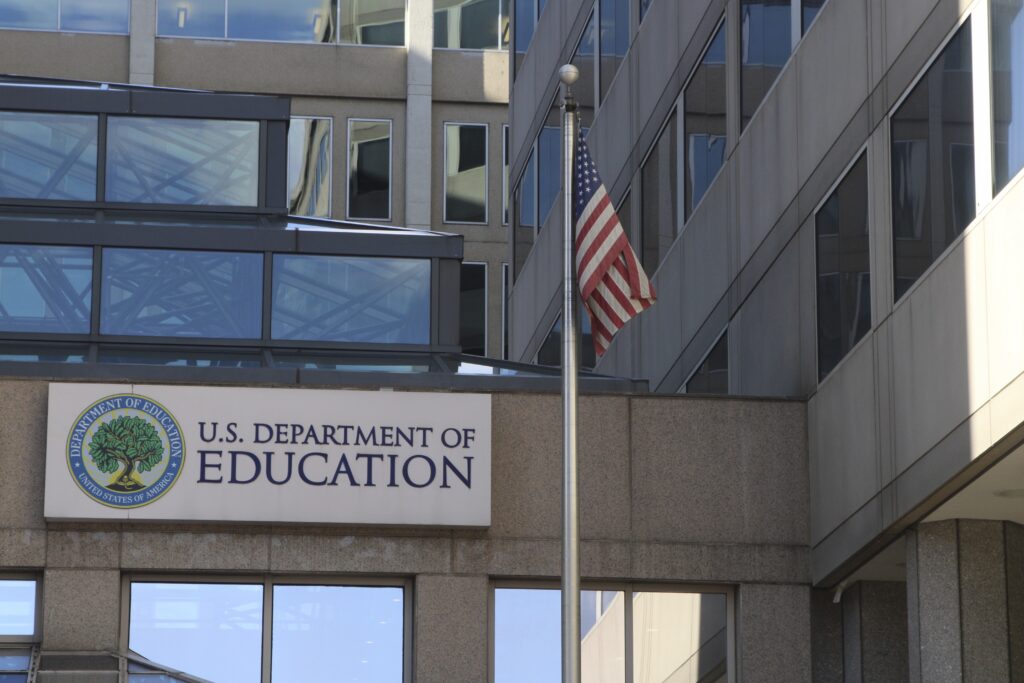
The U.S.
Department of Education oversees a wide array of programs designed to bolster education at the K-12 level.
These programs are often codified in federal legislation, with their principles carried forward through successive acts like the Every Student Succeeds Act (ESSA).
Understanding the specific allocations and purposes of these funds is key to appreciating their impact on California's educational ecosystem.
Supporting Students from Low-Income Families: Title I, Part A
One of the most significant federal funding streams is allocated through Title I, Part A of the ESSA.
This program is specifically designed to ensure that children from low-income families have equal access to a high-quality education.
In California, these funds amount to billions of dollars annually, directly benefiting school districts and charter schools with a substantial number of economically disadvantaged students.
The core principle of Title I is to provide additional resources to schools where at least 40% of students qualify as low-income.
These funds can be utilized to enhance educational offerings for the entire school community, fostering an environment where all students can thrive.
Alternatively, schools can strategically deploy these resources to provide targeted support for students who are not meeting state assessment benchmarks, ensuring that those most in need receive the extra attention and academic assistance required for success.
Ensuring Education for Students with Disabilities: Individuals with Disabilities Education Act (IDEA)
The federal Individuals with Disabilities Education Act (IDEA) is a critical piece of legislation that mandates the provision of special education and related services to children with disabilities.
In California, this translates into substantial federal funding dedicated to supporting these students.
The overarching goal of IDEA is to guarantee that every child with a disability receives a free public education in the "least restrictive environment," meaning they are educated alongside their non-disabled peers to the maximum extent possible.
This federal investment extends beyond K-12 students, also encompassing vital funding for early intervention services for infants and toddlers with disabilities and their families, as well as preschool programs for young children with special needs.
This comprehensive approach ensures that support is available across a crucial developmental spectrum.
Investing in Educators: Teacher and Principal Training (ESSA, Title II)
The quality of teaching and leadership is fundamental to student achievement.
Federal funding, channeled through Title II of the ESSA, known as Supporting Effective Instruction grants, is dedicated to strengthening the educator workforce.
These grants provide crucial resources for reforming teacher and principal certification programs, offering robust support for new educators entering the profession, and delivering ongoing professional development opportunities for experienced teachers and principals.
A key objective of this funding is to reduce class sizes by enabling schools to hire more qualified teachers, thereby ensuring that all students benefit from high-quality instruction and effective school leadership.
This investment in educators directly translates to improved learning environments and better outcomes for students.
Supporting English Learners and Immigrant Students: ESSA, Title III, Part A
California's diverse population includes a significant number of students who are English learners or come from immigrant backgrounds.
Federal funding under Title III, Part A of the ESSA is specifically allocated to help these students achieve English language proficiency.
Schools utilize these funds to provide targeted instruction and support, enabling students to develop strong skills in speaking, reading, and writing English.
Beyond language acquisition, this funding also assists students in mastering core academic subjects like mathematics and science, and in meeting the rigorous requirements for high school graduation.
The program recognizes the unique challenges faced by these students and provides the necessary resources to help them succeed academically and integrate fully into the school community.
Promoting Well-Rounded Education: Student Support and Academic Enrichment (ESSA, Title IV)
The Every Student Succeeds Act, through Title IV, aims to ensure that all students have access to a comprehensive and well-rounded education.
The funding provided under this title supports a broad range of programs designed to enrich the learning experience.
This can include initiatives such as college and career readiness counseling, robust arts and music education programs, and expanded opportunities in science, technology, engineering, and mathematics (STEM) fields.
Furthermore, the funding supports the inclusion of subjects like foreign languages and U.S. history, broadening students' cultural and civic understanding.
Beyond academic enrichment, these grants also play a vital role in student well-being, funding wellness programs focused on the prevention of critical issues like suicide, violence, bullying, drug abuse, and child sexual abuse.
Additionally, Title IV funds are instrumental in enhancing classroom technology, particularly for students in rural, remote, and underserved areas, bridging the digital divide and expanding access to essential digital learning tools.
Expanding Learning Opportunities: Before- and After-School Programs (ESSA, Title IV, Part B)
The 21st Century Community Learning Centers grants, funded under Title IV, Part B of the ESSA, are dedicated to expanding and establishing high-quality before- and after-school programs.
These programs offer invaluable academic support, including tutoring and homework assistance in core subjects like math, science, and English language arts.
The primary focus of these grants is to provide crucial supplementary educational opportunities for students attending schools in high-poverty and low-performing communities, offering them a safe and enriching environment to continue their learning beyond the traditional school day.
Supporting Mobile Student Populations: Migratory Students (ESSA, Title I, Part C)
Federal funding under Title I, Part C of the ESSA addresses the unique educational needs of students whose families are involved in migratory work.
These funds are specifically allocated to support programs designed to assist students whose parents or guardians are migratory workers in industries such as agriculture, dairy, lumber, or fishing, and whose families have relocated within the past three years.
The programs aim to ensure continuity in education and provide necessary resources to help these mobile students succeed academically despite frequent moves.
Addressing Federal Property Impact: Impact Aid (ESSA, Title VII)
Impact Aid is a federal program designed to assist school districts that experience a loss of property tax revenue due to the presence of federal property.
This includes areas with significant federal land ownership, such as Native American reservations, military bases, or federal low-rent housing projects.
The funding helps compensate these districts for the costs associated with educating students who live on or whose parents work on federal property.
These funds can be utilized for a wide range of essential school needs, including construction and maintenance, teacher salaries, advanced placement courses, tutoring services, and the procurement of necessary supplies like computers and textbooks, ensuring these districts can maintain robust educational offerings.
Preparing Students for the Future: Career and Technical Education (Perkins V)
The Carl D.
Perkins Vocational and Technical Education Act (Perkins V) provides federal funding to support programs that prepare students for successful careers and vocations.
This funding is particularly crucial for developing and enhancing "pathway programs" within high schools, offering students practical skills and industry-recognized credentials that can lead directly to employment or further post-secondary education in specific fields.
These programs are vital for equipping the next generation with the competencies needed in a rapidly evolving job market.
Ensuring Fair Assessment: State Assessments (ESSA, Title I, Part B)
Federal funding under Title I, Part B of the ESSA plays a critical role in the development and administration of state-level assessments.
These funds support the creation and implementation of standardized tests, such as the California Assessment of Student Performance and Progress (CAASPP) and the English Language Proficiency Assessments of California (ELPAC).
These assessments are essential for measuring student progress, evaluating school performance, and ensuring accountability across the state's educational system.
Supporting Vulnerable Youth: Children in Juvenile Justice and Foster Care (ESSA, Title I, Part D)
Title I, Part D of the ESSA provides dedicated funding for "prevention and intervention programs for children and youth who are neglected, delinquent, or at-risk." This federal investment is specifically aimed at improving the educational experiences of children and youth residing in juvenile detention facilities, foster care settings, and other state-run institutions.
The goal is to provide these vulnerable populations with the educational support and opportunities they need to succeed and reintegrate positively into society.
Addressing Homelessness: McKinney-Vento Act Funding
The McKinney-Vento Homeless Assistance Act provides crucial federal funding specifically designated to support children and youth experiencing homelessness.
This definition includes students whose families are sharing housing due to loss of housing or economic hardship.
These funds are versatile, enabling schools to undertake a range of essential activities.
This can include identifying homeless students, providing targeted tutoring and instructional support, training school staff to better understand the unique needs and rights of homeless students, and facilitating referrals to health and social services.
Furthermore, funding can be allocated for transportation assistance, ensuring that homeless students can consistently attend school and access educational resources.
Supporting Rural Education: Small Rural Schools (ESSA, Title V, Part B, 1)
Federal funding is available to support small rural school districts through Title V, Part B, 1 of the ESSA.
These grants are specifically for districts that enroll fewer than 600 students or are located in sparsely populated areas with fewer than 10 people per square mile.
This targeted funding acknowledges the unique challenges faced by rural schools, such as limited resources and geographic isolation, and aims to provide them with the necessary support to offer quality education.
Ensuring Student Nutrition: School Breakfast and Lunch Programs
While a significant portion of funding for school meal programs comes from the U.S.
Department of Agriculture, the U.S.
Department of Education also contributes to these vital initiatives.
This federal support supplements the larger USDA allocation, helping to provide free breakfast and lunch to low-income students during the school year, as well as meals and snacks during after-school programs and during the summer months.
These programs are critical for ensuring that students have access to nutritious food, which is essential for their health, well-being, and ability to concentrate and learn effectively.
Targeting Low-Income Rural Schools: ESSA, Title V, Part B, 2
An additional stream of federal funding under Title V, Part B, 2 of the ESSA is specifically available to rural school districts where a significant portion of the student population, at least 20%, comes from families with incomes below the poverty line.
This targeted support recognizes the compounded challenges faced by low-income students in rural settings and aims to provide them with enhanced educational opportunities and resources.
Supporting Native American Students: ESSA, Title VI
Federal funding under Title VI of the ESSA is directed towards supporting Native American students.
These funds empower districts to implement a variety of programs tailored to the specific needs of these students.
This can include academic interventions such as tutoring in reading, math, or science, as well as culturally relevant after-school programs, Native language classes, initiatives to promote college and career readiness, and programs designed to improve attendance and graduation rates.
The aim is to ensure that Native American students have equitable access to educational success and cultural preservation.
Enhancing Literacy: Literacy Initiatives (ESSA, Title II, Part B)
Federal funding under Title II, Part B of the ESSA supports state-level literacy initiatives, such as California's Literacy Initiative.
The primary objective of these programs is to ensure that all children achieve reading proficiency by the third grade, a critical benchmark for future academic success.
This funding can be used for a variety of strategies, including teacher training, curriculum development, and the implementation of evidence-based reading interventions.
Competitive Grants and Special Initiatives
Beyond the formula-driven allocations, the U.S.
Department of Education also offers competitive grants that school districts can apply for directly.
These grants are often more challenging to track comprehensively but represent significant opportunities for innovation and targeted support.
Many California school districts have successfully secured funding through these avenues for a diverse range of projects.
For instance, grants have been awarded to support school desegregation efforts, helping districts create more equitable learning environments.
Significant funding has also been earmarked for the establishment of full-service community schools, which provide a holistic approach to student and family support by offering wraparound services.
Other competitive grants focus on critical areas such as teacher preparation, the development of career pathways, and other pressing educational needs.
Conclusion
Federal funding is an indispensable component of the educational infrastructure in California, supporting millions of students across a wide spectrum of needs and programs.
From ensuring equitable opportunities for low-income students and providing specialized services for those with disabilities, to investing in educators and fostering well-rounded learning experiences, these federal dollars are critical.
Understanding the various streams of federal education funding, their intended purposes, and their substantial impact on schools is essential for policymakers, educators, parents, and students alike.
As the educational landscape continues to evolve, the consistent and robust flow of federal support remains a vital element in the pursuit of educational excellence and equity for all students in California and across the nation.






 Explore AI Teaching Tools
Comments (0)
Please login to comment
No comments yet
Be the first to comment on this article